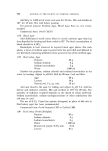
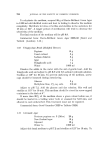
750 JOURNAL OF THE SOCIETY OF COSMETIC CHEMISTS broth culture. Incubate both tubes at 37 ø and examine after 1 h and at intervals up to 24 h. A positive result is indicated by a definite clot formation. Coagulation usually takes place within 1-4 h. Granularity or ropiness is regarded as doubtful and the test should be repeated. Negative tubes will be clear or only faintly cloudy with no coagulation. If the plasma has been stored in a refrigerator it may be sufficiently cold to delay coagulation it is advisable to allow the plasma to attain room temperature before use. The slide test detects 'bound' coagulase which acts on fibrinogen directly the tube test detects 'free' coagulase which acts on fibrinogen in conjunc- tion with other factors in the plasma. Either or both coagulases may be present. The slide test is a valuable presumptive test but negative results must be confirmed by a tube test. Known coagulase-positive and negative strains must always be tested in parallel and, with the tube tests, an uninoculated control must also be set up. Controls: Positive - Staphylococcus aureus (NCIB 9518, FDA 209, ATCC 6538 or NCTC 8532) Negative -S. epidermidis (NCTC 7291 or 4276). 1.384 Additional screening test The ability of coagulase-positive staphylococci to split deoxyribonucleic acid (DNA) provides the basis for a diagnostic laboratory test for the identification of potentially pathogenic organisms. Test Inoculate a plate of DNase Agar (Oxoid CM321) as follows: Use an 18-24 h Nutrient Broth Culture. Place 1 drop onto the surface of the agar so that a thick plaque of growth is evident after 18 h incubation. Flood the plate with N/1 HC1 and look for clearing around the colonies (DNase positive). 1.4 Inactivators suitable for counting procedures in the presence of common antimicrobials and preservatives Special difficulties arise when the product being tested is inhibitory to bacterial growth or when it contains a bacteriostatic agent. In order to obtain a true bacterial count, the bacteriostatic effect must be overcome

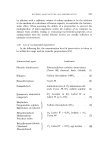
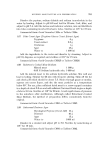
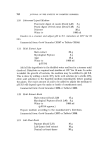
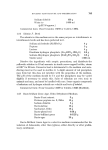
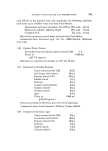
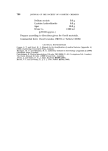
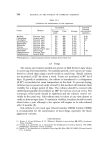
IIYGIENIC MANUFACTURE AND PRESERVATION 751 by dilution with a sufficient volume of culture medium or by the addition to the medium of a substance of known capacity to neutralize the bacterio- static effect. When assessing the ability of a preparation to prevent the multiplication of micro-organisms within the confines of its container (as distinct from sterility testing or evaluating bactericidal properties of an antimicrobial) then the normal dilution factors are usually sufficient to minimize bacteriostasis. 1.41 List of recommended inactivators In the following list, the concentration level of preservative is taken to be within the range used in cosmetic preparations (4.$). A ntimicrobial agent Phenolic disinfectants Halogens Hexachlorophane Formaldehyde Quaternary ammonium compounds Merthiolate Oxyquinoline sulphate Merthiolate and phenol Hexachlorophane Dichlorophene Povidone iodine Benzalkonium chloride Chlorbutol Phenylethanol Inactivator Polyoxyethylene sorbitan mono-oleate (Tween 80), charcoal, ferric chloride (1) Sodium thiosulphate 0.05% .... (2) Tween 80 ........ (3) Ammonium ions, 0.1% ammonia as cell- wash, Tween 80, 6% sodium sulphite (4) 2% Lecithin in 3% Lubrol W or Lubrol W up to 10% ...... (5) Sodium thiosulphate (2%) .... (6) 1% Lubrol W d- 0.5% lecithin d- 1% Tween 80 ........ (7) 1% Lubrol W + 0.5% egg lecithin . . (8)
Purchased for the exclusive use of nofirst nolast (unknown)
From: SCC Media Library & Resource Center (library.scconline.org)