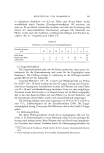
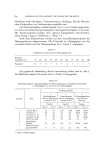
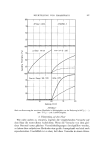
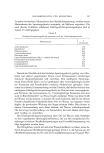
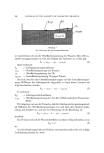
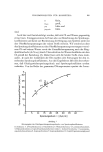
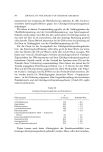
OLKOMPONENTEN FOR KOSMETIKA 313 LITERATUR (1) Wilhelmy, L., Ann. Ph. ysik 119, 177 (1863). (2) Davies, J. T., Proceedings of the 2 n•t International Congress of Surface Activity, Butterworth', London 1957. (3) Neuwald, F., Fetting, K., Szakall, A., Fette, Seifen, Anstrichmittel 64, 465 (1962). (4) Keymer, R., Dtsch. •tpotheker-Ztg. 109, 1585 (1969). , Herrn Prof. Dr. H. Lange, Leiter der physikalisch-chemischen Laboratorien der Henkel & Cie GmbH, danke ich ftir anregende Diskussionen.

J. Soc. Cosmetic Chemists 22, 315-321 (1971) Dermatological and Cosmetic Aspects in the Development of Selected Topical Preparations GOSWIN VAN HAM* and WOLFGANG HERZOG** Presented at the L F. S. E'. E'. -Congress, Section E' (Biochemistry and Dermatology in Cosmetics) held at Barcelona, on 22th September 1970. Synopsis--Modem cosmetic chemistry owes a big share of its success to dermatology and pharmacy. In the case of preparations designed to be effective treatments, the borderline between cosmetic and medical topics is especially difficult to define. As a result, the development chemist faces new problems with drug laws and sales restrictions. On the other hand, cosmetic research has made no small contribution to dermatology as was noted lately by Hadgraft at the "Skin" Symposium in Great Britain. With the aid of various examples the authors demonstrate the in- terdependence of cosmetology, pharmacy and dermatology and how the problems of developing and testing effective toiletry products can be successfully resolved by taking these three disci- plines into consideration. The medical success of a simple preparation like a foot spray can depend entirely on a cosmetic approach to compounding the active ingredients and to "cosmetic" directions for use. The search for efficient preparations against the ageing of the skin, which at present is of major in- terest to cosmetic chemists, has led to highly effective medicaments superior to those currently in use. Utilization of cosmetic experience in preparations, designed for the protection of industrial workers against harmful external influences, produces not only the needed protective effect but can actually make an operation within an industrial production line more attractive to the em- ployees. In accordance with the literature and their own experiences, the authors find that cos- metically attractive topical preparations help improve results objectively and subjectively. It is suggested that work along these lines be continued even to the point of introducing per- fumes into dermatological products. * Firma Margaret Astor AG, D-65 Mainz, Binget StraBe 17. ** Firma Dragoco, D-345 Holzminden/Westf. 315
Purchased for the exclusive use of nofirst nolast (unknown)
From: SCC Media Library & Resource Center (library.scconline.org)