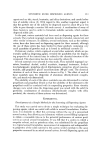
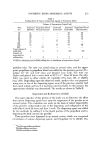
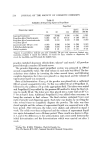
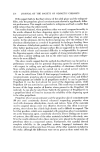
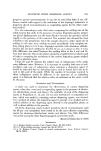
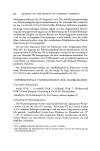
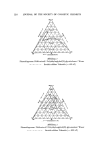
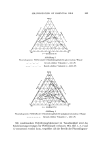
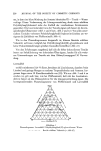
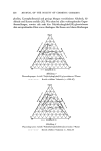
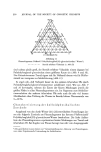
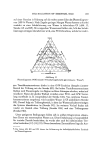
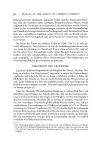
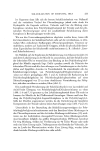
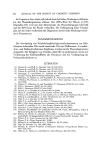
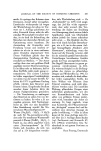
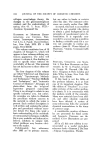
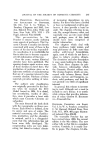
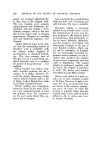
214 JOURNAL OF THE SOCIETY OF COSMETIC CHEMISTS Table II Solubility of Dispersing Agent in Propellants Dispersing Agent Propellant 11 12 114 12/11 12/114 (50:50) (60:40) Isopropyl isostearate S (30) • ,S (30) S (30) Propylene glycol dipelargonate S (30) SH (1) SH (1) Propylene glycol monoisostearate S (30) S (30) S (30) Propylene glycol monoisostearate (90 per cent) S (30) S (30) S (30) 2-Ethylhexylpelargonate S (30) S (30) S (30) Methyl myristate S (30) S (3) S (3) s (30) s (30) S (30) SH (1) S (30) S (30) s (30,) s (30) s (30) s (30) s (3) s (3) •Figures in parentheses indicate per cent solubility 30 per cent represents highest con- centration studied S stands for solnble H stands for hazy solution or dispersion IN stands for insoluble and SH stands for slightly hazy. powders included aluminum chlorhydrate, talcum* and starch.* All po vders passed through a number 325 mesh screen. The powder/dispersing agent/propellant system was prepared in 100-ml aerosol compatibility tubes. The total volume in each tube was 80 ml. The for- mulations were shaken by inverting the tubes several times, and following complete dispersion, the tubes were placed in a ring stand, and the volume of snpernatant liquid was measured. Rate o[ Sedimentation-Four g of the powder was placed into a calibrated 100-ml aerosol compatibility tube. To this was added 35 ml of Propellant 11, followed by the addition of 4 g of the appropriate fluid. The tubes were sealed and Propellant 12 was added by the pressure fill method to bring the final vol- ume to exactly 80 ml. The tubes were then placed into a water bath at 25 ø C-m-_ 1 ø for at least 1 hour. Additional Propellant 12 was added when necessary, to bring the contents to final volume. The final mixture contained 5 per cent each of powder and dispersing agent. Each tube was shaken by inverting the tube several times to completely disperse the powder. The tube was then stored upright and the volume of supernatant liquid was measured over a 24- hour period. After 24 hours, the tubes were shaken and allowed to stand 1 week. The solids were then redispersed and the volume of supernatant liquid was again determined over a 24-hour period. These results are shown in Figs. 2, 3, and 4. No differences in the sedimentation rates were noted between the initial determination and the determinations which were carried out after 1 *Italian Talc • 1602 Whittaker, Clark & Daniels, Inc. *Dry Flo Starch •p 78-1567 National Starch & Chemical Corporation.

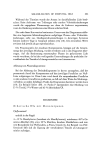
SYNTHETIC ESTER DISPERSING AGENTS 215 5O 4O 5 30 z 2o u.i o o 30 60 90 12o 15o 18o 2Io 240 TIME,seconds Figure 2. Aluminum chlorhydroxide complex with dispersing agent (oeo•' code see Fig. 1) 40 o '- 30 •. •o lo FH 30 60 90 120 150 180 TIME,seconds Figure 3. Sta]'ch with dispe•sing agent (fo•' code see Fig. 1) 210 240
Purchased for the exclusive use of nofirst nolast (unknown)
From: SCC Media Library & Resource Center (library.scconline.org)