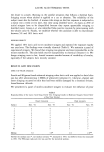
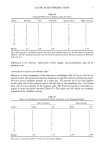
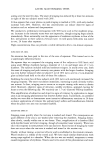
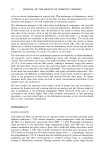
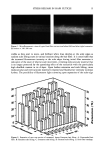
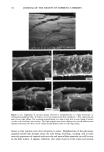
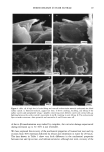
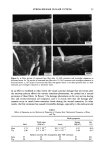
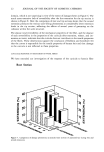
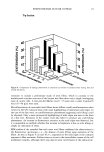
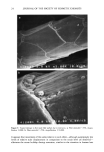
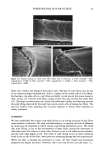
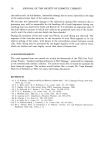
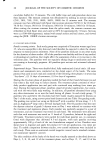
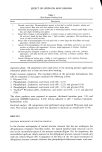
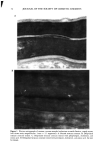
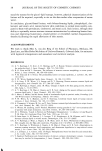
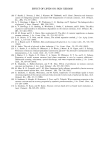
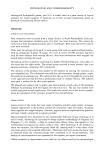
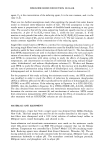
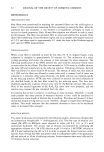
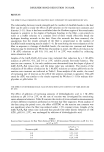
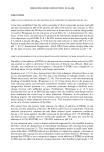
STRESS RELEASE IN HAIR CUTICLE 19 6000X .. 3000X 1000X 2000X ., ..... • 3000X 2800X Figure 4. d-h. d: A high level of scale lifting and torn-off endocuticular material underneath the lifted surface cuticle. e: Extension-induced, jagged tear lines. f.' Severe cracking, buckling, and lifting of the surface cuticles and unexplained "plugs," possibly connecting points between cuticle and cortical cells. g: Splitting between the surface cuticle's exocuticles A and B, resulting in scale lifting. h: The endocuticular layer as surface structure, after epicuticle and exocuticles A and B were worn off. of the ot-[3 transformation may indeed by complete, the cuticular damage experienced during extension up to 32-36% is not reversible. We have explored the recovery of the mechanical properties of human hair root and tip sections from 30% extension followed by release and immersion in water for 20 hours. The data shown in Table 1 show very little difference in the mechanical properties between root and tip section, and indicate extensive, although not total, recovery of the

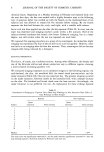
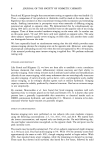
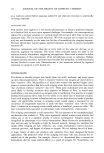
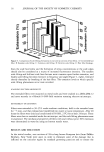
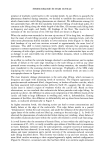
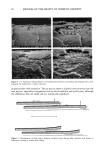
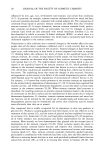
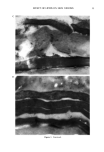
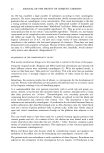
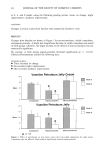
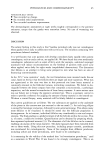
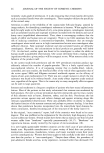
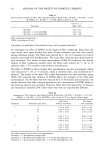
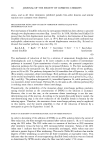
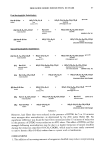
20 JOURNAL OF THE SOCIETY OF COSMETIC CHEMISTS Figure 4. i-l. Extension-induced failure in the endocuticle facilitates scale lifting and chipping away, thus exposing the endocuticle as surface structure. properties after 30% extension. The tip section shows a slightly lower recovery than the root section, especially in properties such as initial modulus and yield stress, although the differences here are small and not statistically significant. Figure 5. Development of shear forces between cuticular layers during fiber extension and failure in endocuticle leading to surface scale lifting.
Purchased for the exclusive use of nofirst nolast (unknown)
From: SCC Media Library & Resource Center (library.scconline.org)