TRETINOIN ASSAY BY CARBON PHASE EXTRACTION 327 Pharmaceutical forms assayed were: Retin-A cream 0.010%, 0.025%, 0.05%, gel 0.025%, and lotion 0.05 mg/ml (Cilag, Switzerland) Airol cream 0.05% and lotion 0.05% (Roche, Switzerland) and Apsor ointment 0.1% (IDI Farm., Italy). The following commonly used cream and ointment excipients were used: 3-butyl-4- hydroxyanisole, diethylene glycol monoethyl ether, dimethyl polysiloxane, glyceryl be- henate, glyceril monostearate, glycerol, isopropyl myristate, lanolin, lanolin isopropyl esters, oleic acid esters, paraffin, perfluoropoliether, polyoxyethylen 40 stearate, perhy- drosqualene, propylene glycol, saturated fatty acids, triglycerides, saturated polygly- colyzed glycerides, sorbitol 70%, xanthan gum, and white wax. Several formulations with varying concentrations of these substances were prepared with the addition of known amounts of TRT. The following products, variously employed in commercial anti-aging creams, were added to the base creams to study the potential interference: allantoin, p-aminobenzoic acid, benzoic acid, camphor, N-dimethyaminobenzoic acid, retinol, dl-o•-tocopherol, salicylic acid, salicylic esters, sorbic acid, and stearic acid. The UV filters investigated were 2,2'-dihydroxhy-4,4'-dimethoxy-benzophenone, 2- ethylhexyl-p-methoxycinnamate, 1-(4-methoxyphenyl)-3-tert-buylphenyl) propan- 1,3- dione, 3-(4-methylbenzylidene)-camphor, and octyl-dimethyl p-aminobenzoic acid. APPARATUS Spectrophotometry. Spectra were recorded over the wavelength range of 450-250 nm in 10-mm silica quartz cells using a Perkin-Elmer Lambda 16 spectrophotometer scan speed 2 nm/s response (time constant) 1 s for zero-order and 5 s for second- and third- order derivative spectra spectral bandwidth 1 nm A)• 8 for both derivative orders. The spectra were elaborated with PECSS 4.0 software by Perkin Elmer. Densitometry. Measurements were performed with a Shimadzu (USA) model CS930. Ex- perimental conditions were: absorption reading mode at 370 nm scanning speed (lin- ear) 1 mm/s recorder baseline 200 mV beam size 0.4 X 0.4 mm. The development was performed in a linear development chamber (Camag, Switzerland). Carbon columns. Glass tubes of 30 X 0.5 cm (i.d.) were used, with a capillary end of 0.05 cm (i.d.) to optimize the solvent flow. Three to five grams of carbon were washed, refluxing in Soxhelet with 200 ml of chloroform for 12 hours, then vacuum- dried at room temperature until a constant weight. One gram of dry carbon, accu- rately weighed, was transferred and gently packed in one column, obtaining a granu- lar phase height of 14 __+ 0.5 cm. For this column the intra- and inter-particles volumes proved to be 0.2 and 0.8 ml with THF, and 0.7 and 1.5 ml with pyridine, respectively. LABORATORY PRECAUTIONS All the assay procedures were carried out in a dark room provided with a red lamp of 60 W kept at a distance of 2 meters to avoid photodegradation of the retinoic acid (11,12). The carbon columns were protected with tin foil.

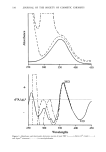
328 JOURNAL OF THE SOCIETY OF COSMETIC CHEMISTS STANDARD SOLUTIONS A stock solution of TRT was prepared, dissolving 100 mg, accurately weighed, in a 250-ml volumetric flask with tetrahydrofuran. Twenty working standard solutions were prepared by diluting this stock solution with THF to obtain an analyte concentration ranging between 0.1 and 60 •g/ml. Analogous standard solutions in pyridine were pre- pared. For HPTLC analysis, ethanolic solutions were prepared in such a way that, loading on the plate volumes of 100 nl, the analyte amount was between 0.01 and 30 •g/deposit. Least squares linear regression was applied to fit plots of signal values versus theoretical concentration. METHODS COSMETICS Carbon extraction. A dispersion of 3 g of the sample, accurately weighed, in 20 ml of THF, was loaded on the carbon column and flushed about 0.5 ml per minute. The col- umn was washed with portions of 2 ml of chloroform for a total of 50 ml, then dis- carded. The analyte was eluted with portions of 1 ml of pyridine for a total of 10 mi. The pyridine flow was not to be higher than 0.1 ml per minute. UV procedure. If the cosmetic was a dermoprotective formulation for general use, TRT determination was directly performed on the pyridinic eluate by derivative spectropho- tometry through the 389-nm and 360-410-nm signals, in second and third derivative spectra, respectively. In the presence of sun filters, a further separation with HPTLC was needed. HPTLC procedure. The solution was filtered through a 0.45-ptm-pore-size membrane, acidified with hydrochloric acid 37% (sample/HC1 1:1.25 v/v) and then extracted with methylene chloride 5 X mi. The extracts were evaporated under a gentle stream of ni- trogen and the residue dissolved in 100 p,l of ethanol. Volumes of 100 nl were spotted 1 cm from the bottom of the plate and 0.5 cm apart and developed with a hexane/ace- tone mixture (6:4 v/v). In these conditions TRT presented a Rf value of 0.72. PHARMACEUTICALS An amount of sample containing a declared amount of 0.5 mg of TRT was accurately weighed and transferred into a 25-ml volumetric flask containing 10 ml of tetrahydro- furan. The flask was vigorously shaken, and the suspension, diluted to volume, was spectrophotometrically analyzed by using the peak-trough 363-413 nm in the third- order derivative spectrum. LABORATORY SAMPLE Synthetic preparations were made by spiking ointment and cream bases with TRT to simulate samples with analyte levels within the range of 0.05 to 200 mg/100g. These samples were used to establish the accuracy of the method. Interference studies were performed, adding the above-mentioned excipients and UV filters in various mixtures and concentrations.
Purchased for the exclusive use of nofirst nolast (unknown)
From: SCC Media Library & Resource Center (library.scconline.org)