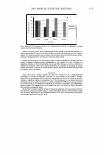
2003 ANNUAL SCIENTIFIC MEETING 123 SYRNERGISTIC EFFECTS OF HIGH MOLECULAR WEIGHT POLYETHYLENE OXIDE (PEO) AND CATIONIC CELLULOSIC POLYMERS ON CONDITIONING PROPERTIES OF HAIR CARE PRODUCTS Wing Li, Susan L.P. Jordan, Xiaodong Zhang, Jennifer Amos and Cal Davis Amerchol Corporation, A Subsidiary of The Dow Chemical Company Summarv: A hair cleansing composition containing both high molecular weight PEO and cationic hydroxyethyl cellulose (HEC) was found to provide superior conditioning performance. Hair treated with a formulation containing both cationic HEC and high molecular weight PEO showed 30% better wet combing reduction than the formulation containing cationic HEC only. In conjunction with PEO, cationic HEC-dependent deposition of silicone oil and octyl methoxycinnan1ate (OMC) onto hair was enhanced 27% and 25%, respectively. When examined with a polarized 1nicroscope, the appearance of the polymer-surfactant complex (coacervate) of the diluted formulation differed in the presence of PEO. In particular, the particle size of the coacervate in the formulation containing both PEO and cationic HEC was smaller. This result indicates PEO reduces the size of the deposition precipitate by preventing the coacervate from agglomerating. Surface analysis also showed that the presence of PEO in formulations containing cationic HEC deposited insoluble actives more evenly on the hair surface. Background A conditioning shampoo should provide suitable cosmetic properties to hair, such as making it soft, lustrous, and easy to comb. Polymers and various types of benefit agents contribute to cosmetic properties. For example, silicones are insoluble actives that are commonly used as conditioning agents for hair. Silicones can effectively reduce combing friction of hair and provide a soft, smooth feel and a shiny appearance. UV inhibitors are becoming more commonly used in shampoo formulations for preventing hair color fading and damage. Cationic polymers are known to aid the deposition of such insoluble actives. They are believed to form a coacervate (polymer-surfactant complex) phase or be in a coacervate phase upon application and rinsing of the formulation (1,2). TI1e fom1ation and properties of the coacervate affect the combined deposition of insoluble actives and cationic polymers onto keratinous substrates (3,4). In addition, foam properties are important component of the consumer's perception of product performance. High molecular weight polyethylene oxide (PEO) is a linear, nonionic, water-soluble homopolymer with molecular weight from IOOK to 4M. These polymers haYe been increasingly used in cleansing systems such as shampoos and body washes because they are known to enhance foam properties such as foam volume and density. They also impart a soft feel to the cleansed skin and hair. This study was undertaken to examine the effect of PEO on cleansing formulations that contain cationic HEC. The interactions of high molecular weight PEO with high molecular weight cationic HEC were studied in two different cleansing systems: (A) 4% anm10nium lauryl sulfate (ALS) / 13.5% ammonium laureth sulfate (ALES)/ 2.6% cocamdiopropylbetaine (CAPB) / l % sodium chloride and (2) 15.5% sodium laureth sulfate (ES-2) / 2.6% disodium cocamphodiacetate (DSCADA). Nonionic emulsion of high molecular weight polydimethylsiloxane and OMC were used for deposition study. Experimental Results: Foam volume and density measurement- Foam volume and density were quantitatively measured by washing hand and hair with prototype formulations. The formulation containing PEO increased the foam volume by 70% and produced denser and creamier foam than the formulation without PEO. Wet combability - The wet combing force was measured by using the load cell of a Dia-Stron Miniature Tensile Tester (MTT). When a comb is pulled through a wet hair tress, reduction in total work done is associated with the removal of entanglements of the hair fiber. Commercial bleached blond hair was treated with formulations containing 0.3% high molecular weight, low charge (HL) cationic HEC with and without 0.1 % PEO in both surfactant A and B. The hair treated with the formulation containing cationic HEC and PEO showed 30% better combing reduction force compared to the formulation containing HEC only. Silicone deposition on hair - The total amount of silicone deposited on hair treated with a shampoo formulation containing 0.25% high molecular weight, high charge (HH) cationic HEC with and without 0.1 ¾PEO was measured. Virgin brown hair was treated five times with the prototype formulation. The

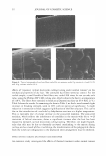
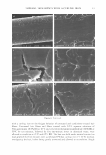
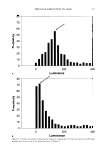
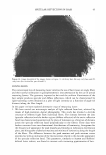
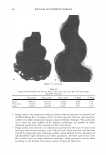
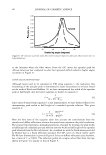
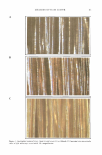
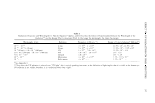
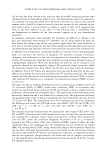
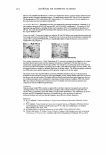
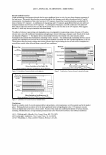
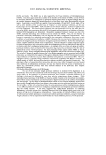
124 JOURNAL OF COSMETIC SCIENCE silicone was extracted from the hair by a 50/50 (v/v) methyl butyl ketone / toluene solution, then measured using an atomic absorption spectrophotometer. The result shows cationic HEC aids in silicone deposition. 1be incorporation of PEO with cationic HEC demonstrates a 27% enhancement of silicone deposition in the same system over the fonnu1ation without PEO. UV absorber deposition - Ewope.an brown hair was treated with a prototype formulation comprised of l % octyl methoxycinnimate (OMC), HH cationic HEC and PEO(300K) in surfactant B. The amount of OMC deposited was quantified by extracting the hair with isopropanol (IP A) and measuring the absoxbance at 290 nm. The result showed that PEO increased OMC deposition from a prototype formulation by 25% over the regular shampoo system. Coacervate study- Coacervate formation in surfactant B with l0X dilution was examined using a polarized microscope with the aid of Red Dye 80. The particle size of coacervate from the formulation containing Ill.. cationic HEC and high MW PE0(600K) was significantly smaller (Figure B) than the coacervate from cationic HEC only (Figure A). Figure A: Cationic HEC Figure B: Cationic HEC/PEO(600K) Hair surface characterization -Kruss Tensiometer K-12 was used to measure the wetting force of a single hair fiber that had been treated with the shampoo formulation in sUifactant B. The hair fiber was also examined by Scanning Electron Microscope (SEM). The wetting force in advancing mode of hair showed that the hair treated with shampoo containing cationic HEC, PEO and silicone had a smoother surface. This indicates the polymer complex is uniformJy deposited on the hair surface. The SEM micrographs confirmed that PEO aids in more uniform deposition of the polymer complex onto the hair surface. The results clearly show that PEO affects coacervate formation and reduces the size of the deposition precipitate by preventing the coacervate from agglomerating, thereby aiding uniform deposition of polymer and actives onto the hair surface. The highly lubricious film formed on the hair surface translates into very low combing resistance and to elimination of hair tangles during combing. In addition, PEO with cationic HEC also enhances the deposition of silicone and an UV absorber onto the keratinous substrates and improves the overall conditioning performance. Conclusion: High molecular weight PEO is widely recognized for its ability to improve foam quality and wet feel in cleansing systems. This study demonstrated the synergistic effect of high molecular weight PEO with cationic HEC in surfactant systems that enhance overall product performance. The combination of cationic polymer and PEO increased the deposition of insoluble actives, such as silicone oil and octyl methoxycinnimate onto both hair and skin leading to more efficient, uniform deposition. References: (]) R.Y. Lockhead, Conditioning Shampoo, Soap/Cosmetics/Chemical Specialties, PP 42-49, October 1992 (2) E.D. Goddard, Polymer/Surfactant Interaction in Applied Systems, in Principles of Polymer Science and Technology in Cosmetics and Personal Care, PP-181, Eds. E.D. Goddard and J.V. Grubber, Marcel Dekker, New York, 1999 (3) M. Gamez-Garcia, Pol yc ation Substantivity to Hair, IFSCC, Vol. 4, PP 99-107 (2001) ( 4) Wing Li and Susan L.P. Jordan, Cationic Ce//ulosic Polymers wllh Multifanclional and Outstanding Performance for Personal Care, Cosemtics and Toiletries Manufacture Worldwide, PP 1-4 (2003)
Purchased for the exclusive use of nofirst nolast (unknown)
From: SCC Media Library & Resource Center (library.scconline.org)