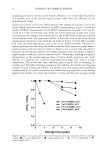
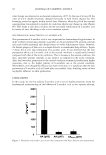
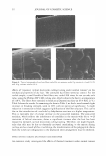
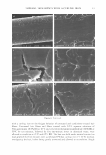
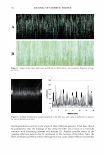
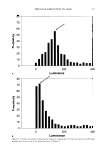
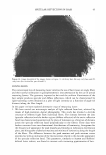
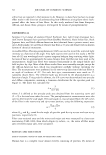
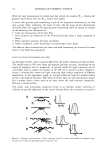
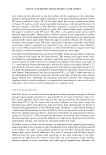
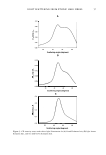
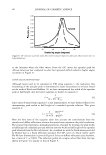
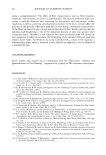
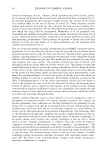
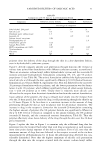
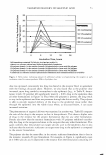
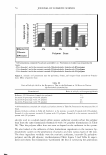
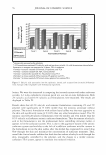
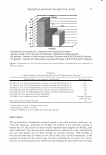
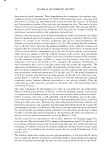
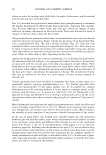
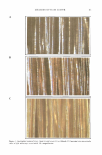
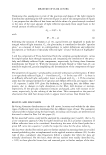
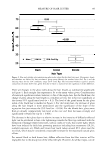
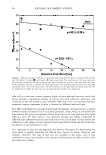
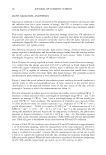
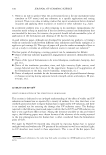
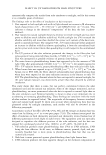
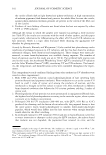
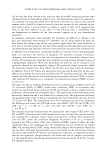
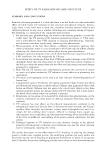
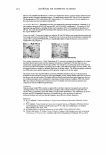
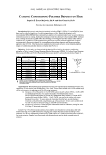
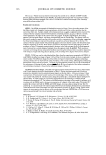
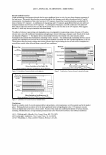
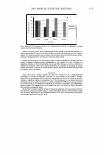
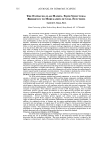
SPECULAR REFLECTION IN HAIR 45 Figure 14. Image threshold of the images shown in Figure 13: (A) frizzy hair, (B) very curly hair, and (C) curly hair. (See overleaf for parts B and C.) CONCLUSIONS The conventional way of measuring luster involves the use of hair cresses or single fibers and their careful orientation in goniophotometric instrumentation by the use of special mounting frames. The geometry imparted to hair and the uniform illumination of the hair sample produces specular and diffuse reflections, which can be characterized by light-scattering curves obtained as a plot of light intensity as a function of angle (or distance) along the fiber length. In this paper we have explored alternative ways of measuring luster: 1. We have carried out microscopic analysis of light reflected from hair, achieved by means of high-resolution digital photography. This study has revealed a dot-like structure of reflected light from individual fibers. The contrast between the dots (specular reflection) and the darker regions (diffuse reflection) of the entire reflection band was characterized quantitatively by plots of luminance as a function of distance across the specular reflection band (perpendicular to the fibers). These data were further converted into two-dimensional distributions of luminosity, histograms for the frequency of appearance for peak maxima and minima in luminosity distribution plots, and histograms of absolute maxima and minima of luminosity along the length of the fibers. The difference between the peak maxima and peak minima curves provided us with an indication of the microcontrast related to the doc-like appearance of the specular reflection band. This parameter, similarly to Stamm and Robbins' defined luster indices, was found to increase with increasing pigmentation of hair.

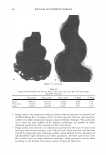
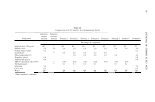
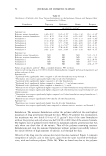
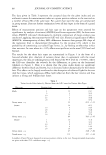
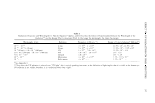
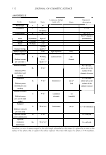
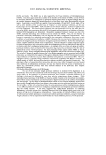
46 Frizzy JOURNAL OF COSMETIC SCIENCE Figure 14. Continued. Table VI Quantification of Reflection Sites on Frizzy, Very Curly, and Curly Hair by Using Image Threshold Technique Total pixels Black pixels White pixels % Black % White 1,804,101 1,783,515 20,586 98.86 1.14 Very curly 921,160 905,242 15,918 98.27 1.73 Curly 636,629 622,296 14,333 97.75 2.25 2. Image analysis was employed to analyze random reflection patterns in untreated and modified African hair. In images of hair, all of the specular reflection sites have been isolated on a black background using an image threshold technique. This permitted us to count the total number of the brightest reflections, the number of which decreased significantly after treatment of hair with sebum. 3. Image analysis also allowed us to characterize quantitatively the luster of tresses with hair types characterized as frizzy, curly, and very curly. Curly and very curly hair was studied by measuring light-scattering profiles, which allowed for the calculation of specular/diffuse light intensities and luster parameters. All three types of hair were also studied using an image threshold technique, which permitted ranking them according to the absolute and relative content of specular reflections.
Purchased for the exclusive use of nofirst nolast (unknown)
From: SCC Media Library & Resource Center (library.scconline.org)