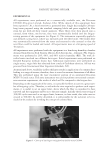
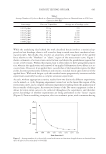
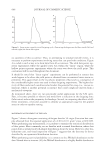
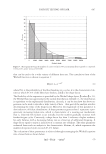
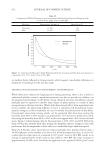
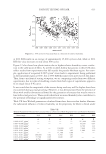
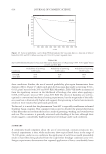
JOURNAL OF COSMETIC SCIENCE 628 the different properties of its components. Typically, Aloe contains glycoproteins promot- ing re-epithelization, alantoine, and the polysaccharides aiding angiogenesis and phenolic components, which produce anti-infl ammatory and antimicrobial effects (6). Hydrocotyle asiatica, on the other hand, is an ingredient derived from asiaticoside. It was fi rst used to treat cellulite in the seventies, and its components produce both anti-infl ammatory and venotonic effects. However, it is very important to choose an appropriate delivery vehicle for each active principle, in accordance with how the formulation is to be applied. Absorption of the cosmetic active substance into the skin depends on its function, on the behavior of the vehicle, and on the condition of the skin. The main variables affecting the release velocity of the different active substances, or of the same substances in different vehicles, depend on the concentration of the active substance in the vehicle, the partition coeffi cient of the cosmetic active substance between the stratum corneum, the vehicle, and the partition coeffi cient (7). For our study, a hydrogel, as a traditional vehicle, and a pluronic lecithin organogel (PLO), considered as the most advanced excipient to date, were selected as delivery ve- hicles. Although the organogel has been the object of many studies, due to the contro- versy arising from its internal structure and its jellifi cation mechanism (8,9), it has been shown to be effective as a dermic and transdermic vehicle of medication. Consequently, we chose this substance as a new delivery vehicle, given that the active substances of the treatment must reach the deep layers of the skin (10,11). The in vitro release model used in this study has been shown to provide a valid assessment of the release of the cosmetic active substances from semisolid formulations, with similar parameters coming into play in the in vivo application of the formulae (12,13). MATERIAL AND METHODS MATERIALS The products used as components of the formulations were: Aloe gel side 10:1, provided by Guinama (Valencia, Spain), made up of a dry extract (acibar) and a gel (a clear and mucilaginous liquid), consisting of water (99%) and a complex mixture of different com- ponents (1%). These components vary, depending on the plant, but typically include antranol, crisofanic acid, cianocobalamine, folic acid, monosaccarides, polysaccharides, tannins, sterols, organic acids, enzymes, vitamins, and minerals, to mention just a few. In the form of an extract (in gels and creams), it is used topically at a concentration of be- tween 2% and 10%, as a revitalizing and regenerative agent. Hydrocotyle asiatica glycolic extract was supplied by Guinama (Valencia, Spain). Hydro- cotyle asiatica is also known as Centella asiatica and Hygrophila spinosa. Centella asiatica, belonging to the Umbelliferae family, is found in the low wetlands of India, as a weed on arable land and on wastelands throughout India, at altitudes of up to 600 metres. The centella asiatica extract possesses antioxidant (14), anti-infl ammatory, immunomodulat- ing (15), antiproliferative (16), and antigenotoxic (17) properties and it contains certain bioactive terpene acids, such as asiatic acid and madecassic acid, and their respective glycosides, asiaticoside and madecassoside (18).

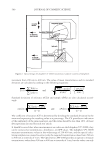
HYDROGELS AND ORGANOGELS AS VEHICLES 629 Asiaticoside has wound-healing activity, promotes fi broblast proliferation, and increases the level of enzymatic and non-enzymatic antioxidants. Some of the phenolic compounds in the extract of Centella asiatica display the same benefi cial activity as α-tocopherol. The crude extract of Centella asiatica has been shown to be non-toxic in normal human lympho- cytes and has reduced the genotoxic effects of methyl methanesulphonate and cyclophos- phamide in cultured human lymphocytes (19,20). Pluronic F-127® = Lutrol F-127 = Poloxamer 407 INCI contains water 0.01%, oxypropylene-oxyethylene 71.5%–74.9%, and propylene oxide 1ppm. Poloxamers are synthetic block copolymers of hydrophilic ethylene oxide chains and hydrophobic propylene oxide chains, with the general formula of HO–[C2 H4 O]a –[C3 H6 O]b –[C2 H4 O]a–H, where the subscripts a and b represent the number of the hydrophilic and hydrophobic chains respectively. This component was provided by Roig Farma-Fagron (Terrasa, Spain). Isopropyl palmitate (concentration 90%) was provided by Meta (Roig Farma-Fagron). Soy lecithin in powdered form (water content 1.2%, concentration 97%, pH (sol. 1%) 7) was provided by Roig Farma-Fagron. Lecithin is usually used as a synonym for phosphatidylcholine (PC), which is the major component of a phosphatide fraction. It is frequently isolated from soya beans and is com- mercially available in a highly pure state. Isolation and purifi cation of lecithins from dif- ferent sources are described in Kuksis (21) and Prosise (22). PC is a mixture of differently substituted sn-glycerol-3-phosphatidylcholine backbones. The structure of PC is variable and dependent on fatty acid substitution. In the sn-1-position, saturated acyl-groups are more common, and in the sn-2-position, unsaturated species are more common. The sn-1-chain typically shows an average of 16 C, whereas the sn-2-chain shows an average of 18 C. Water used to prepare the formulations was provided by Milli-Q Quality (Milli-Q Academic, Millipore, France). EXPERIMENTAL METHODS Viscosimetry. The viscosity of different formulations was determined by a Brookfi eld DV-II+ digital rotational viscometer immersed in a thermostatic bath maintained at a temperature of 25° ± 0.1°C. This viscometer is a shear rate controlled system therefore the samples are put under a sweep of shear rate (dγ/dt) at regular intervals, allowing variations in viscosity and shear stress to be observed. In order to obtain reproducible results, the samples were always pre-sheared for 60 sec, with measurements being taken after 120 sec. In addition, a viscosimetric study was car- ried out on both the delivery vehicles themselves and the complete formulae containing the active substances. Diffusion experiments. Franz-type cells are commonly used in most published studies (23). The FDC-400 used in our study was supplied by Vidra-Foc (Barcelona, Spain). It consists of two compartments with a membrane clamped between the donor and receiver cham- bers. The receptor phase was a phosphate-buffered saline, at pH 5.6. This pH was chosen because it corresponds to the pH in the areas of the skin where the drug acts after topical administration. The membranes are 47 mm in diameter and 0.45 μm in pore size. Two types of membranes were tested: methylcellulose (Teknocroma) and nylon (Mfd, Waters Corporation).
Purchased for the exclusive use of nofirst nolast (unknown)
From: SCC Media Library & Resource Center (library.scconline.org)