JOURNAL OF COSMETIC SCIENCE 16 isoelectric points of keratin type I and II components measured by two-dimensional gel electrophoresis, though the isoelectric points and spots of KAP components consisting of high glycine–tyrosine proteins and high-sulfur proteins were changed by the treatment. FT-IR and Raman analyses indicated that keratin fi bers in hair were disordered by oxida- tive and reductive treatments (8,9). These results suggest that these treatments on human hair will affect the higher order structure of hair through conformational changes in the fi brous proteins. We developed novel procedures for preparing human hair protein solutions and the pro- tein fi lms from them using the self-assembly of α-keratin (10–12). The conversion ratios from the solutions to the fi lms were 60–80%, and the fi lms mainly consisted of α-keratin types I and II and KAPs. Any signifi cant degradation was not observed during the prep- aration process and after storage for several months. SEM observations showed that the protein fi lms consisted of particles and fi lamentous structures (11,12). However, regular fi lamentous architectures like the hair cortex were not observed. Recently, we developed a sensitive method to detect UV-induced photodegradation in hair proteins using fl uores- cent microscopy (13). The sensitivity was signifi cantly higher when hair keratin fi lm prepared by the pre-cast method was used instead of hair samples. This indicates that hair keratin fi lms can serve as an alternative cortex fi lament to evaluate hair damage caused by protein degradation. The effect of oxidative treatments on hair keratin fi lms have not been reported. In the present study, we report the effects of hydrogen peroxide and commercial bleach on hair keratin fi lms. The morphological and biochemical properties of the keratin fi lm and its proteins were examined in detail. EXPERIMENTAL PREPARATION OF HUMAN HAIR KERATIN FILMS Human hair protein solution was prepared according to the “Shindai method,” which has been previously described by us (10). Briefl y, ethanol-treated hair samples that had not undergone chemical treatments such as bleaching or permanent waving were extracted using a solution containing 20 mM Tris-HCl (pH 8.5), 2.6 M thiourea, 5 M urea, and 150 mM dithiothreitol (DTT) at 50°C for 24 hr. This solution was added to hair at 60 mg/ml. After fi ltration and centrifugation, about 70% of the solution was recovered as extracted protein solution, which was then used for preparation of the pre-cast fi lm (11). The hair protein solution was mixed with acetic acid to a fi nal concentration of 20 mM and then poured into tissue culture dishes (diameter 40 mm) containing distilled water. A membrane-like aggregate was formed that spread out on the bottom of the dishes. After being washed with tap water for 36 hr and distilled water for 6 hr, the human hair keratin fi lms were recovered after drying at room temperature. OXIDATIVE TREATMENTS OF THE HAIR KERATIN FILMS AND PROTEIN SOLUBILIZATION The oxidative treatments of the hair keratin fi lms were done with solutions containing 0–10% hydrogen peroxide and 50 mM Tris-HCl (pH 8.5) at 25°C. The average weight

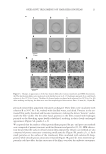
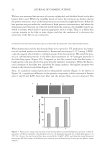
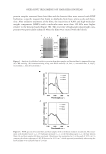
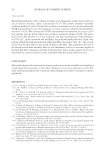
OXIDATIVE TREATMENTS OF HAIR KERATIN FILMS 17 of the fi lms used was 18 mg/dish, and the solution was added at 2.5 ml/dish. After incu- bation for 0–10 min, the solutions were discarded and the fi lms were washed with tap water for 10 min and then with distilled water for 6 min. The fi lms were dried at room temperature and used. Additional hair protein fi lms were bleached using a commercial bleaching agent (UNO hard bleach, Shiseido, Japan), following the manufacturer’s in- structions, at 25°C for 10 min. The bleaching agent contained 2% ammonium hydrox- ide, 1.5% monoethanolamine (pH 10.1), 3% H2O2, and potassium persulfate. The fi lms were then similarly rinsed and dried. Then, the fi lms were collected, ground to powders, and used in the following experiments. Solubilization of proteins from the untreated, oxidized, or bleached keratin fi lms was determined using solution A (50 mM Tris-HCl, pH 8.5), solution B (50 mM Tris-HCl, pH 8.5, containing 8 M urea), solution C (50 mM Tris-HCl, pH 8.5, containing 5 mM DTT), and solution D (50 mM Tris-HCl, pH 8.5, containing 8 M urea and 5 mM DTT). The powdered fi lms were mixed with solutions A, B, C, or D at 5 mg/ml and incubated at 50°C for 3 hr. After centrifugation at 12,000g for 5 min, the supernatants were recov- ered in test tubes and used for measurement of the protein concentration and for electro- phoresis. The protein concentrations were determined according to Bradford, using bovine serum albumin as the standard (14). SEM OBSERVATION The hair keratin fi lms before and after the treatments with hydrogen peroxide, the bleach- ing agent, or solution B were sputtered with platinum, and the fi ne structures of the fi lms was observed by scanning electron microscopy (Neoscope JCM-5000, JEOL Ltd., Tokyo, Japan) at an accelerating voltage of 20 kV. FLUORESENCE MICROSCOPY The hair keratin fi lms were treated with distilled water, 1% hydrogen peroxide, or the bleaching agent at 25°C for 10 min. Then the fi lms were incubated with 3 ml of the staining solution, which consisted of 20 μM fl uorescein-5-thiosemicarbazide (5-FTSC) in 100 mM 2-morpholinoethane sulfonic acid-NaOH (pH 5.5) at 25°C for 2 hr (15). To remove non-reacting 5-FTSC, the fi lms were rinsed with 0.1% SDS, 300 mM NaCl, and 30 mM sodium citrate buffer (pH 7.0) for 30 min at 50°C, then in 0.1% SDS, 30 mM NaCl, and 3 mM sodium citrate buffer (pH 7.0) for 30 min at 25°C, and fi nally in distilled water for 10 min at 25°C. After rinsing, the fi lms were dried at room temperature. All procedures were carried out in a dark room. Afterward, the fi lms were observed and photographed using fl uorescence microscopy (VB-G25, Keyence, Japan). GEL ELECTROPHORESIS Sodium dodecyl sulfate-polyacrylamaide gel electrophoresis (SDS-PAGE) was performed according to the method of Laemmli (16) using a 5-20% gradient polyacrylamide gel. After the electrophoresis, proteins in the gel were stained with 0.1% Coomassie brilliant
Purchased for the exclusive use of nofirst nolast (unknown)
From: SCC Media Library & Resource Center (library.scconline.org)