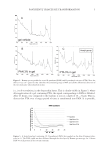
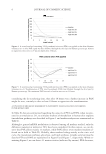
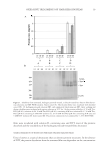
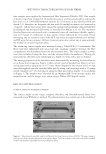
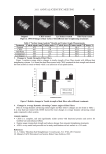
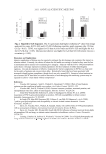
JOURNAL OF COSMETIC SCIENCE 18 blue R-250, 10% acetic acid, and 40% ethanol for 1–2 hr. Destaining was carried out in 10% acetic acid and 40% ethanol. IMMUNOBLOTTING The proteins were extracted by incubating the untreated, 1% hydrogen peroxide-, or bleach-treated keratin fi lms and hair samples with 50 mM Tris-HCl (pH 8.5) containing 8 M urea and 5% 2-mercaptoethanol at 50°C for 20 hr. Proteins separated by 5-20% SDS-PAGE were electrophoretically transferred to nitrocellulose fi lters and washed with PBS (phosphate-buffered saline). The fi lters were reacted with dinitrophenyl (DNP) hy- drazine at 25°C for 15 min (OxyBlotTM Protein Oxidation Detection Kit, Chemicon, U.S.A. and Canada). After incubation of the fi lters at 4°C overnight with reagent N-102 (NOF Corporation, Tokyo Japan) to block non-specifi c binding sites, they were incubated with 1/150 anti-DNP antibody for 1 hr at 25°C. After a rinse with PBS containing 0.1% Tween 20, the fi lters were reacted with 1/300 peroxidase-conjugated anti-rabbit IgG for 1 hr at 25°C. Then, the fi lters were washed with PBS containing 0.1% Tween 20, and the antibody binding was visualized using the Super Signal West Trial Kit (Thermo, Japan). FOURIER-TRANSFORM INFRARED (FT-IR) MEASUREMENT FT-IR spectra were obtained from the fi lms and hair samples before and after treatment with 1% hydrogen peroxide or the bleaching agent. The fi lms and hair samples were ground to fi ne particles with an agate mortar and pestle. The measurements were per- formed by attenuated total refl ectance (ATR) with an IR Prestige-21 (Shimadzu, Japan), collecting 50 scans at a resolution of 4 cm−1. RESULTS AND DISCUSSION PROTEIN ELUTION FROM THE HAIR KERATIN FILMS TREATED WITH OR WITHOUT HYDROGEN PEROXIDE AND BLEACH When the human hair keratin fi lms prepared by the pre-cast method were incubated with 1-5% hydrogen peroxide solution or the bleaching agent at 25°C for 10 min, the fi lm weights after these treatments were little changed compared to those of the untreated fi lms. These results suggest that the protein fi lms can withstand the oxidative treatment. Four kinds of solutions (pH 8.5) containing urea and DTT were used to examine the protein solubility from the keratin fi lms treated with 1% hydrogen peroxide solution or bleach at 25°C for 10 min. Little protein from the untreated, hydrogen peroxide-, or bleach-treated fi lms was dissolved by solution A (Figure 1). In solution B, containing 8 M urea, and solution C, containing 5 mM DTT, protein solubilization (5–10%) was similar for the untreated fi lms. Interestingly, the amount of protein solubilization from the hydrogen peroxide-treated fi lms was decreased to almost zero in solution B, while the amount was little changed in solution C. The amount of protein solubilization from bleach-treated fi lms in solution C was higher the expected, and this is considered to be the result of a protective hardening effect by the fi lms against oxidative treatment. When

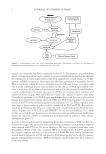
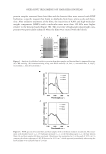
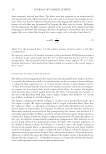
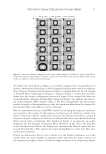
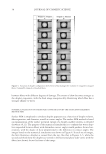
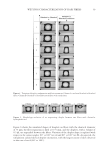
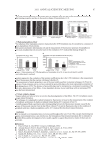
OXIDATIVE TREATMENTS OF HAIR KERATIN FILMS 19 Figure 1. Solubility from untreated, hydrogen peroxide-treated, or bleach-treated hair keratin fi lms by var- ious solutions and SDS-PAGE analysis. Upper panel (A): Hair keratin fi lms were incubated with distilled water (UF), 1% hydrogen peroxide solution (HF), and commercial bleach mixture (BF). After washing and drying, the fi lms were incubated with various solutions at 50°C for 3 hr for protein solubility. A: 50 mM Tris- HCl (pH 8.5) (solution A). B: 50 mM Tris-HCl (pH 8.5) containing 8 M urea (solution B). C: 50 mM Tris- HCl (pH 8.5) containing 5 mM DTT (solution C). D: 50 mM Tris-HCl (pH 8.5) containing 8 M urea and 5 mM DTT (solution D). Lower panel (B): The protein components were analyzed by 5–20% SDS-PAGE. fi lms were incubated with solution D, containing urea and DTT, most of the proteins dissolved and the insolubility of the hydrogen peroxide-treated fi lms decreased. CHARACTERIZATION OF HYDROGEN PEROXIDE-TREATED KERATIN FILMS Urea is known as a typical denaturant that can destroy protein structures. In the absence of DTT, the protein dissolution from the untreated fi lm was dependent on the concentration
Purchased for the exclusive use of nofirst nolast (unknown)
From: SCC Media Library & Resource Center (library.scconline.org)