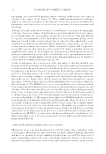
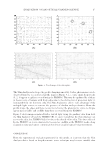
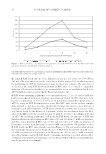
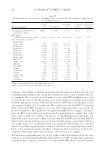
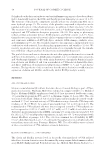
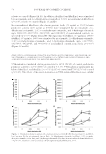
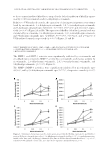
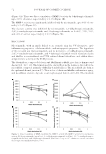
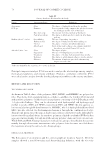
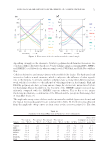
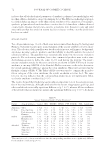
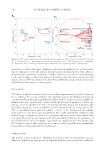
JOURNAL OF COSMETIC SCIENCE 52 (Figure 3A). There was direct stimulation of MMP-3 activity by 3-hydroxypicolinamide upto 329% of control, respectively ( p 0.05) (Figure 3B). The MMP-9 activity was signifi cantly inhibited only by nicotinamide, upto 44% of con- trol ( p 0.05) (Figure 3C). The elastase activity was inhibited by nicotinamide, 2,6-dihydroxynicotinamide, 2,4,5,6-tetrahydroxynicotinamide and 3-hydroxypicolinamide at 1–40%, 72%, 70%, and 66% of control, respectively ( p 0.05) (Figure 3D). DISCUSSION Nicotinamide, with an amide linked to an aromatic ring has UV absorptive, anti- infl ammatory properties, cellular metabolic, and antiapoptotic properties. The hypothesis of this research was that nicotinamide and its derivatives, 2,6-dihydroxynicotinamide, 2,4,5,6-tetrahydroxynicotinamide, and 3-hydroxypicolinamide would stimulate elastin and fi brillin in nonirradiated, and UVA radiated dermal fi broblasts, and exhibit direct antiproteolytic activity on the ECM proteins. The elastin fi bers, composed of elastin and fi brillin microfi brils, give skin its fi rmness and elasticity (1–4,15–18). The formation of the elastin fi bers in the dermis is directed by the microfi brils, composed primarily of fi brillin-1 and fi brillin-2. The microfi brils also form at the epidermal–dermal junction (15). There is loss of elastin and fi brillin with intrinsic aging, and in addition elastotic deposits occur in photoaged skin (1–4,15–18). Nicotinamide Figure 3. Direct regulation of MMP-1 activity (A), MMP-3 activity (B), MMP-9 activity (C), and elastase activity (D) by nicotinamide (green line), 2,6-dihydroxynicotinamide (red line), 2,4,5,6-tetrahydroxynico- tinamide (violet line), and 3-hydroxypicolinamide (blue line) * = p 0.05, relative to control, error bars (A–D) represent standard deviation, n = 4.

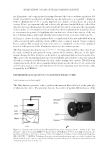
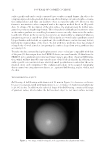
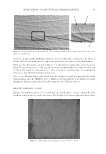
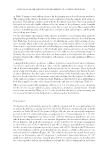
REGULATION OF EXTRACELLULAR MATRIX BY NICOTINAMIDE AND ITS DERIVATIVES 53 (4–5%), independently or in combination with peptide/retinyl propionate, reduces skin wrinkles and increases skin elasticity in subjects and is better tolerated than tretinoin (42–44). The niacin derivatives stimulated the expression of elastin and fi brillin in nonir- radiated and UVA radiated fi broblasts, with nicotinamide and 2,6-dihydroxynicotin- amide having a more potent effect. It is inferred that niacin or its derivatives improve skin elasticity by stimulating the expression of elastin and fi brillin in dermal fi broblasts. There is loss of elastin and fi brillin with intrinsic aging, and in addition elastotic deposits occur in photoaged skin (1–4,15–18). In dermal fi broblasts, UVA radiation stimulates elastin expression whereas UVB-radiation inhibits it (2). Topical 5% nicotinamide coun- teracts UV-radiation-induced immunosuppression in human subjects (37). Nicotinamide at 50 μm prevents UV-radiation-induced oxidative damage in HaCat keratinocytes (40). UVA radiation stimulated the expression of elastin, and inhibited fi brillin-1 and fi brillin-2 protein levels in dermal fi broblasts. The expression of elastin, fi brillin-1, and fi brillin-2 were signifi cantly stimulated by 0.1% and 1% each of the four niacin derivatives in UVA radiated fi broblasts, which suggests that the mechanism to nicotinamide’s counteraction of the clinical signs of photoaging is through the stimulation and formation of proper elastin fi bers. The increased expression of fi brillin-1 and fi brillin-2 may allow for deposi- tion of well-formed elastic fi bers instead of elastotic deposits. The ECM is remodeled by MMPs and elastases (19–26). The proteolytic enzymes of col- lagen and elastin fi bers include MMPs-1, -3, -9 and elastase (18–26). A mechanism to the damage to the ECM with skin aging is the increased activity of these ECM remodel- ing enzymes. The niacin derivatives inhibited elastase activity, and nicotinamide and 2,6-dihydroxynicotinamide inhibited the activities of MMPs, which suggests protective effects on the dermal collagen and elastin fi bers. CONCLUSION The clinical signs of intrinsic aging and photoaging result from increased oxidative stress, which activates mitogen activated protein kinase pathway and activator protein (AP)-1 transcription factor, and infl ammation, which activates nuclear factor-kappa B (NF-κB) transcription factor (5–7,27). Nicotinamide reduces wrinkles and improves the appearance of skin (35–41). This research reports for the fi rst time the anti–skin aging mechanism of nicotinamide and its derivatives 2,6-dihydroxynicotinamide 2,4,5,6-tetrahydroxynico- tinamide and 3-hydroxypicolinamide through the stimulation of elastin transcription and fi brillin expression in nonirradiated and UVA radiated fi broblasts and the direct in- hibition of ECM proteolytic enzymes. The transcription of elastin is inhibited by AP-1 and NF-kB transcription factors (47,48). It is inferred that the niacin derivatives reduce oxida- tive stress and infl ammation, and thereby AP-1 and NF-kB transcription factors to facili- tate the increased transcription of the elastin gene. The formation of organized elastin fi bers in vivo would need to be investigated to validate the ECM effect of nicotinamide in skin. ACKNOWLEDGMENTS Marvin Tuason, Halyna Siomyk, and Aksinya Kogan contributed to the research through technical assistance, data analysis/presentation, or literature search. Funding was provided by Industrial Farmaceutica Cantabria (IFC), Spain.
Purchased for the exclusive use of nofirst nolast (unknown)
From: SCC Media Library & Resource Center (library.scconline.org)