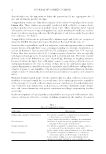
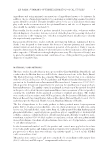
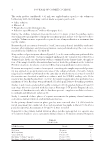
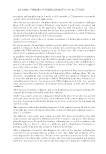
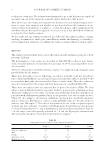
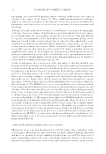
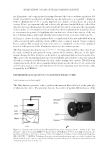
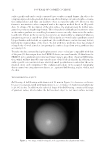
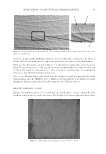
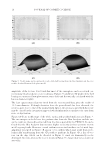
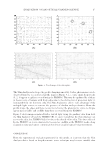
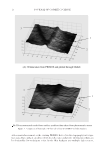
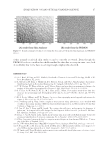
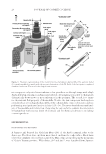
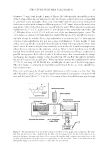
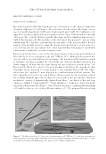
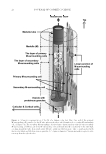
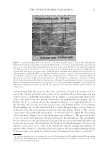
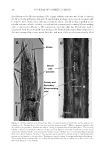
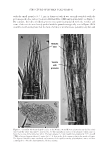
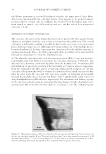
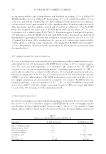
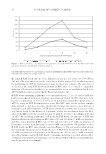
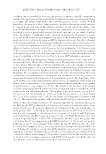
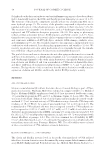
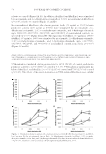
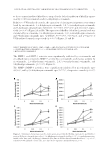
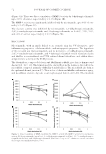
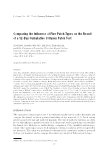
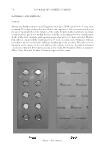
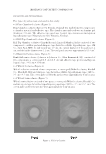
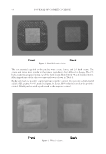
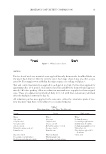
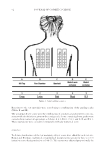
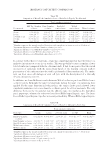
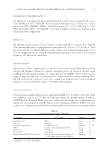
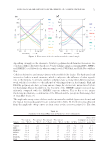
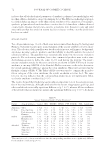
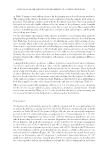
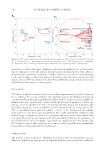
IRRITANCY PATCH TEST COMPARISON 59 PATCH TYPES AND TEST MATERIALS Five types of patches were evaluated in this study: • λ Fi nn Chamber Occlusive (Figure 1): Finn Chamber occlusive (Epitest Oy, Tuusula, Finland) was made from two components: a chamber material and adhesive tape. The chamber material used was an alumina pad (diameter, 0.8 cm). The adhesive tape used was Scanpor tape (nonwoven microporous hypoallergenic tape Norgesplaster A/S, Vennesla, Norway). • λ Hill Top Chamber Occlusive (Figure 2): Hill Top Chamber occlusive (Cliantha Research Limited, Mumbai, India) consisted of two components: a rubber pad and durapore tape (latex-free silklike hypoallergenic tape 3M Co., Saint Paul, MN). Its side length was 1.9 cm, the outside diameter of the pad was 1.4 cm, and the inside diameter was 1.2 cm. The total patch area was approximately 1.13 cm2. • λ Band-Aid Semiocclusive (Figure 3): Band-Aid semiocclusive ( Johnson & Johnson Co., New Brunswick, NJ) consisted of two components: a cotton pad (1.8 cm × 1.8 cm) and adhesive tape (porous and hypoal- lergenic tape, 3.81 cm × 3.81 cm). • λ Webril Occlusive (Figure 4): Webril occlusive consisted of two components: a cotton pad (Webril occlusive Kendall Co., Mansfi eld, MA) and durapore tape (latex-free silklike hypoallergenic tape 3M Co., 3.5 cm × 3.5 cm). The cotton pads used for the patches were approximately 4 cm2 in area. • λ Webril Semiocclusive (Figure 5): Webril semiocclusive consisted of two parts: a cotton pad (Webril occlusive Kendall Co.) and micropore tape (latex-free hypoallergenic paper tape 3M Co., 3.5 cm × 3.5 cm). The cotton pads used for the patches were approximately 4 cm2 in area. Figure 2. Hill Top Chamber.

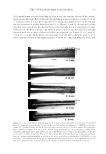
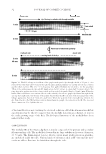
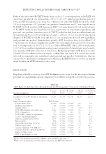
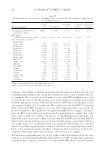
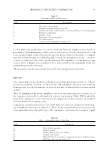
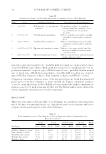
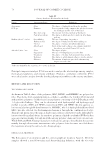
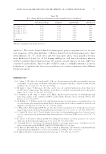
JOURNAL OF COSMETIC SCIENCE 60 The test materials applied to the patches were cream, lotion, and 2% bath cream. The cream and lotion were similar in their main ingredients, but differed in dosage. The 2% bath cream was prepared using 2 g of the bath cream diluted with 98 g of distilled water. Main ingredients of the three test materials were shown in Table I. Each patch had one positive control and one negative control. One percent sodium lauryl sulfate (SLS, purity 99%, made by Sigma, St. Louis, MO) solution served as the positive control. Blank patches with a pad served as the negative control. Figure 3. Band-Aid semiocclusive. Figure 4. Webril occlusive.
Purchased for the exclusive use of nofirst nolast (unknown)
From: SCC Media Library & Resource Center (library.scconline.org)