62 JOURNAL OF COSMETIC SCIENCE APPLICATION OF FORMULAS Six separate regions 2 × 2 cm in size at least 1 cm apart were marked on the dorsal trunk. Green tea gel, black tea gel, caffeine gel, vehicle gel, and an SPF 50 commercial sunscreen were applied to 5 areas at an amount of 2 mg/cm2 whereas one area was kept blank as control. The area of each topical application was randomly chosen on each subject. After 30 min of gel application, each of the six areas was irradiated with narrow-band UVB at a 2MED dose. Irradiation was performed by a dermatologist using the MED tester and another dermatologist evaluated the degree of reaction at 24, 48, and 72 h. In addition, volunteers were asked to apply tea gels to areas with erythema twice daily: the black tea gel to the control area and the green tea gel to the vehicle applied area. ASSESSMENT CRITERIA Skin erythema was assessed via clinical evaluation based on visual scoring of the reactions according to a standardized procedure in which severity of the reaction increases from 0 (no reaction) to 9 (severe reaction). The positive reactions were graded beginning from 1 as the mildest (very light, patchy pink hue) to 9 as the most severe (dark red color with vesicles or edema). TRANSPORE® TEST The efficacy of sunscreen filtering agent formulations in vitro was evaluated in a variety of ways. Transpore® (Pennsylvania, United States) test commonly used is one of the methods (19). Transpore® testing was performed after in vivo testing to support human studies and to give an idea about the absorption spectrum of different gels and the potential use of gels as sunscreens. In our previous studies, the gel formulation of Kenyan black and Indonesian green teas (Lipton, Unilever, Turkey), which had high UV absorbance and antioxidant capacity, was prepared at a concentration of 3%. New formulations were prepared by increasing the concentration of black and green tea used in the study to 5%. The concentration of the caffeine gel was also increased to 2%. The Transpore® tape was adhered to the quartz cuvette, 4 mg of gel was applied, and then dried for 15 min. The analysis was performed by taking the spectrum with a UV spectrophometer (Shimadzu UV Mini) aganist the reference with Transpore tape attached. The procedure was repeated 3 times for each sample. STATISTICAL ANALYSES A one-way analysis of variance was used to test the differences among groups. For multiple comparisons, Tukey’s test was performed. RESULTS The results of the HPLC analysis were given in Table II. In general, catechins quantities were comparable in both tea gels. But, unlike green tea, black tea gel contained TFs as the result of condensation of smaller catechins due to the fermentation process. Table III shows the results of total phenolic content, antioxidant activity, and free radical scavenging activity.

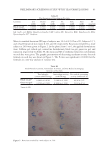
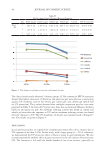
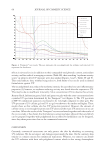
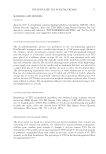
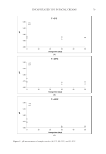
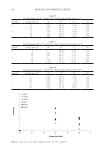
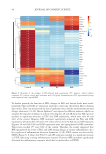
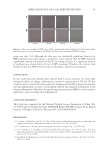
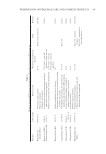
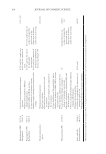
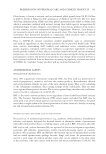
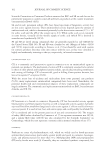
63 PRELIMINARY SCREENING STUDY WITH TEA FORMULATIONS Mean ± standard deviation (SD) age of subjects was 34.4 ± (8.1). Out of 21, Subjects 12, 5, and 4 had Fitzpatrick skin types II, III, and IV, respectively. Reactions revealed by a male subject at 24 h were given in Figure 2. In the photo, from 1 to 6, the applied formulations were: Caffeine gel, vehicle gel, control (no formulation), black tea gel, green tea gel, and sunscreen respectively. In Table IV, the mean and SD of erythema values for each formula on each day were given. The graphic presentation of decreasing erythema severity for each formula on each day was shown in Figure 3. The F ratio was significant (0.0001) for the formulas in a one-way analysis of variance test. Figure 2. Reactions revealed by a male subject at 24 h. Table II The Quantities of Catechins in Tea Gels Catechins GA (mM) EGCG (mM) CAF (mM) EC (mM) EGC (mM) ECG (mM) TF (mg/mL) Black tea gel 0.0060 0.8900 0.0005 0.1900 0.3000 0.0600 0.1500 Green tea gel 0.0020 0.8700 0.0005 0.1700 0.3000 0.0500 0.0000 GA: Gallic acid, EGCG: Epigallocatechingallat, CAF: Caffeine, EC: Epicatechin, EGC: Epigallocatechin, ECG: Epicatechingallat, TF: Theaflavin. Table III Total Phenolic Contents, Antioxidant Activities, and Free Radical Scavenging Activities of Tea Gels Total phenolic content (mM TR/mg) Antioxidant activity (mM TR/mg) Free radical scavenging activity (inhibition %)Black tea gel* 4.9800 ± 0.8760 5.0480 ± 0.5450 49.96 ± 3.87 Green tea gel* 4.2700 ± 0.7650 8.5680 ± 1.7650 51.02 ± 0.54 *mean ± SD.
Purchased for the exclusive use of nofirst nolast (unknown)
From: SCC Media Library & Resource Center (library.scconline.org)