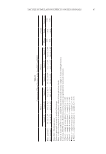
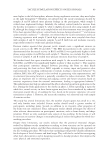
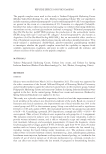
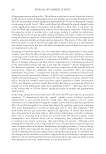
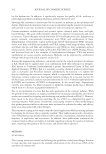
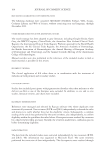
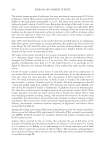
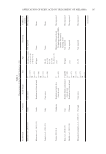
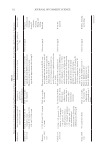
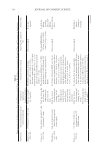
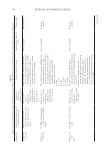
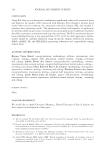
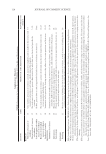
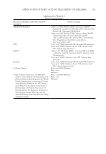
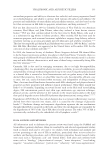
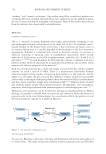
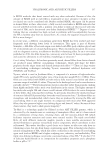
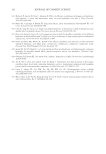
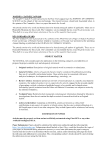
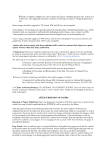
Table II Characteristics of the Intervention Regarding Pharmaceutical Forms of KA Delivery, Concentration, Treatment Time, and Frequency of Application Author/year Association/pharmaceutical form/concentration Frequency of application/ treatment duration Reduced severity of stains Improving the quality of life Adverse effect Sardesai et al. ,2013 (11) Group A: 3% KA and 2% vitamin C cream Group B: 5% Arbutin, 10% GA, and 3% KA cream Daily use, at night, for 3 months In both groups, there was a statistically significant mean MASI score reduction. However, Group A showed a more significant improvement than Group B. It does not apply Group A: erythema and burning Group B: erythema, burning, flaking, and itching Monteiro et al.2013 ,(12) 0.75% KA and 2,5% vitamin C cream Daily use, at night, for 12 weeks The mean reduction of the MASI score was significant from week 0 to week 12 (≤0.001). There was no significant change from week 0 to week 4 (=0.121), however from week 0 to week 8 there was a significant reduction (0.001). It does not apply Erythema Cameli et al. ,2014 (13) 1% KA, 1% uva-ursi, 1% arbutin, 1% pineapple, 1% green tea, 1% Capparis spinosa extract, 1% vitamin C palmitate, 1% papaya, and 1% aloe transdermal gel administered by monopolar radiofrequency (Phytogel) Six sessions with an interval of 1 week. Patients were evaluated before treatment, after 1 month, and 6 months after treatment. One month after the completion of treatment, the initial mean MASI score of 21.3 dropped to 15.7 (0.001), and after 6 months of follow-up, the average value was 16.9. These results were confirmed by a statistically significant decrease in the mean melanin score recorded using a Mexameter in T1 (214.46) and in T2 (216.24) compared to baseline T0 (260.76) (0.001). It does not apply It was not reported Yenny, 2018 (14) 4% cream (left cheek) Daily use, at night, for 12 weeks. The evaluation was performed every 2 weeks. Week 0: left face MASI scores 11.7 Week 4: MASI scores 10.9 Week 8: MASI scores 9.9 Week 12: MASI scores 8.6 It does not apply Redness, burning, and itching ()112 JOURNAL OF COSMETIC SCIENCE

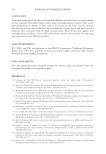
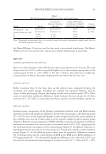
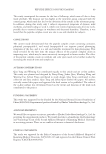
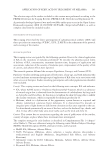
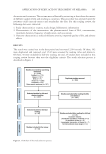
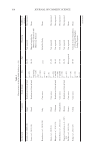
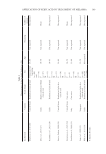
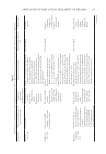
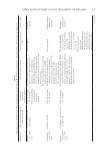
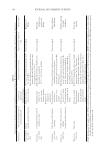
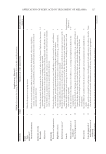
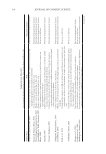
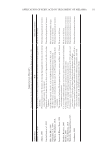
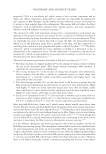
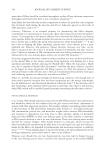
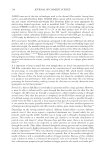
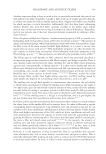
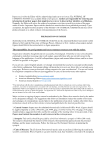
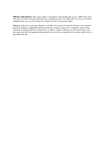
Table II Characteristics of the Intervention Regarding Pharmaceutical Forms of KA Delivery, Concentration, Treatment Time, and Frequency of Application Author/year Association/pharmaceutical form/concentration Frequency of application/ treatment duration Reduced severity of stains Improving the quality of life Adverse effect Iraji et al. ,2014 (15) 2% KA cream The treatment lasted 3 months. Patients were evaluated every month. Frequency of unreported application. In total, 79% of patients were cured after 3 months. According to Friedman’s test, regarding the time of pigment healing, there was a significant difference between the groups (=0.008). The two groups had a significant difference regarding pigment tone changes at the end of the second and third months. It does not apply It was not reported Sheikh et al. ,2021 (16) Group A: oral TXA capsules +KA cream Group B: KA cream The study lasted 3 months. The patients were followed up in the eighth and 12th weeks. Frequency of unreported application Group A: there was a significant decrease in the MASI score from 12.08 ± 2.8 to 9.1 ± 2.2 in the eighth week and from 8.2 ± 2.0 in the 12th week (0.05 for both). Group B: MASI score decreased from 12.6 ± 2.4 to 10.9 ± 2.4 in the eighth week and then 10.3 ± 2.9 in the 12th week. In this group, the decrease in the MASI was significant in the eighth week, p 0.05, and was insignificant in the 12th week, p 0.05. It does not apply Group A: abdominal cramps and oligomenorrhea Group B: erythema and dryness Mesquita- Guimarães et al.2005 ,(17) 10% GA, 3% KA, 2% arbutin, 2% depigmenting factor 174J/276-D, 2% octyl methoxycinnamate, 1% butyl methoxydibenzoylmethane, 0,3% titanium dioxide, 0,5% disodium EDTA, 0,15% vitamin E, and 0,2% alpha-bisabolol cream Daily use in the morning and night for 12 weeks. The evaluations were performed in the fourth, eighth, and 12th weeks. The extent of lesions decreased significantly from first to last consultations (=0.001), with 68.8% of patients having affected areas greater than 20 cm². Decrease in melasma area between consultations, predominantly in patients with initial area greater than 50cm². Only 3 patients (18.7%) still had their original area at week 12. It does not apply Local irritation, contact dermatitis, itching, erythema, shilling, and flaking ()113 Application of Kojic Acid in Treatment of Melasma
Purchased for the exclusive use of nofirst nolast (unknown)
From: SCC Media Library & Resource Center (library.scconline.org)