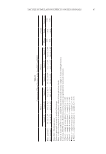
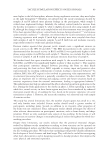
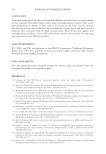
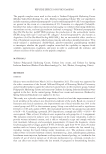
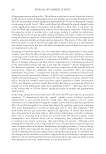
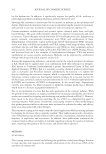
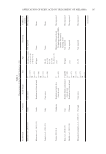
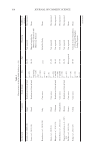
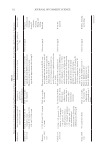
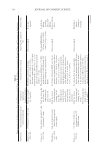
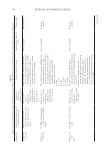
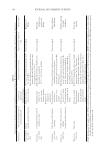
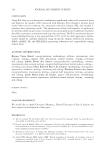
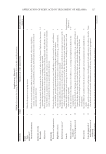
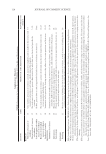
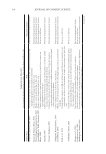
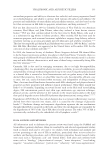
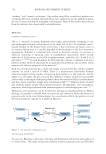
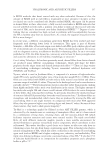
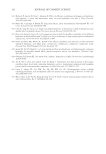
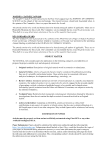
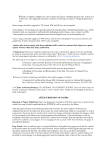
Table II Characteristics of the Intervention Regarding Pharmaceutical Forms of KA Delivery, Concentration, Treatment Time, and Frequency of Application Author/year Association/pharmaceutical form/concentration Frequency of application/ treatment duration Reduced severity of stains Improving the quality of life Adverse effect Azzam et al. ,2009 (18) 2% HQ and 2% KA cream Daily use, at night, for 2 months. The MASI score before treatment (mean ± SD =14,500 ± 2.107) decreased significantly (0.001) after treatment (mean ± SD =8.327 ± 2.172) and at the end of the follow-up period (10.813 ± 1.778) It does not apply It was not reported Costa et al. ,2012 (19) KA, arbutin, Sepiwhite, ® and Achromaxylcream ® Daily use twice a day for 90 days. The evaluations took place every 30 days. The initial mean MASI was 12.73 (D0), which went to 10.89 (D30) and 9.65 (D60), finishing the study with 8.63 (D90) The mean MELASQol in D0 was 45.62 in D90 it was 27.09 (0.001) A: erythema, flaking, pinching, ardor, and flaking. Berardesca et al.2019 ,(20) KA and vitamin A cream (day)+KA and glycolic cream (ight) Daily use twice a day, morning and evening, for 90 days. The evaluations were made in the first week, then 45 days and 90 days after the start of treatment. At 90 days, the mean MASI score for all patients was significantly lower than at baseline (2.1 1.128 ± 0.129 versus 3.29 ± 0.267, p 0.00001). It is important to note that a statistically significant reduction in the mean score of the mMASI was also observed at 45 days (2.193 ± 0.181 versus 3.29 ± 0.267, p 0.0001). It does not apply It has no adverse effects Desai et al. ,2019 (2) 3% TXA, 1% KA, 5% niacinamide, and 5% HEPES sérum Daily use twice a day, morning and evening, for 12 weeks. The evaluations were made in weeks 2, 4, 8, and 12. At 4 weeks, there was a considerable decline in the melanin index (MI) scores of the lesional melasma skin. At week 8, the skin of lesional melasma showed a decrease in MI by up to 9%. The normal skin perilesional (control site) also showed an MI decrease at week 4. It does not apply Erythema or redness, itching, or burning ()114 JOURNAL OF COSMETIC SCIENCE

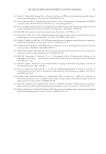
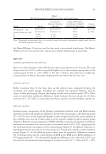
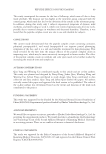
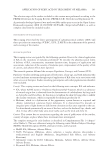
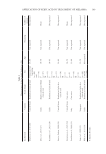
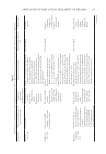
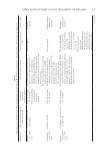
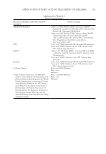
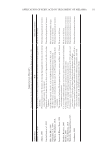
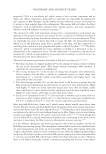
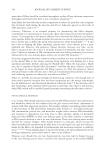
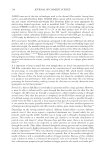
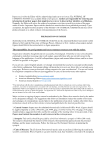
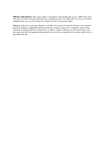
Table II Characteristics of the Intervention Regarding Pharmaceutical Forms of KA Delivery, Concentration, Treatment Time, and Frequency of Application Author/year Association/pharmaceutical form/concentration Frequency of application/ treatment duration Reduced severity of stains Improving the quality of life Adverse effect Bhagwat et al.2016 ,(21) 2% KA, octinoxate, and allantoin gel Daily use, at night, for 3 months. The evaluations were performed every month for 3 months. Initial mean (MASI0) MASI score of 10.02 ± 5.81. After completion of treatment, i.e., after 3 follow-ups (MASI3), the mean MASI score was 3.35 ± 4.25. The mean reduction in the MASI score was 6.67 (66.5%) at the end of treatment. The reduction in MASI was statistically highly significant (0.0001). It does not apply It was not reported Chowdhury et al.2012 ,(22) HQ, KA, and GA Daily use, at night, for 12 weeks. The MASI score decreased by 24.20%, indicating a decrease in melasma severity according to the scale: 0 =no reduction up to 25% =mild 26–50% =moderate above 50% =remarkable reduction It does not apply Itching, burning, flaking, and erythema Fragoso- Covarrubias et al.2015 ,(23) 5% arbutine, 10% GA, and 2% KA cream Daily use, at night, for 3 months. At the beginning of the study, the MASI index was 10.68 ± 5.19 (limits: 4.6 and 21.7). It found an average reduction in the MASI index of 7.2 ± 4.22 (limits: 2.3 and 15). The initial and final MASI indexes had a significant difference (=0.001). The mean MELASQoL score in patients was 40.18 ± 21.15 (limits: 7 and 67). The MELASQoL score until the end of the study was 33.12 ± 17.79 (limits: 2.3 and 56). When comparing the points of the MELASQoL indicator at the beginning and end of treatment, there was a significant reduction in treatment (=0.001). Erythema, burning, and irritation ()115 Application of Kojic Acid in Treatment of Melasma
Purchased for the exclusive use of nofirst nolast (unknown)
From: SCC Media Library & Resource Center (library.scconline.org)