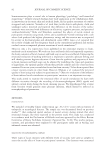
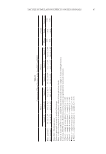
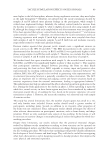
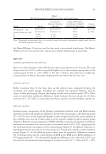
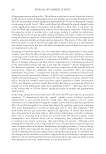
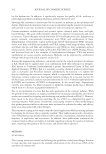
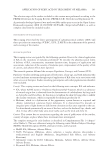
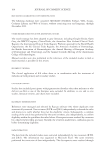
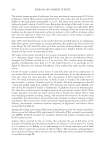
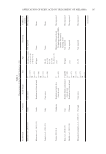
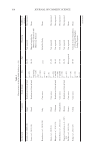
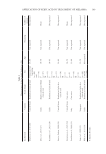
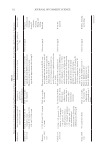
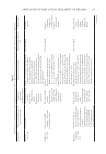
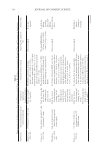
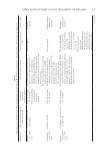
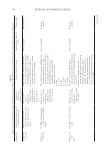
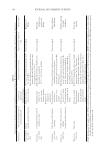
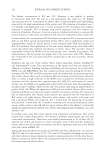
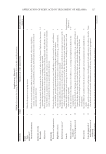
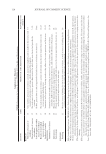
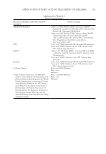
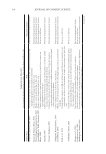
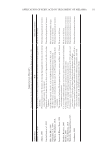
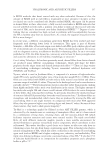
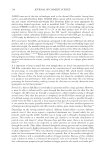
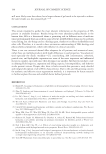
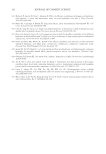
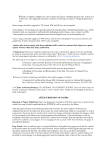
Table II Characteristics of the Intervention Regarding Pharmaceutical Forms of KA Delivery, Concentration, Treatment Time, and Frequency of Application Author/year Association/pharmaceutical form/concentration Frequency of application/ treatment duration Reduced severity of stains Improving the quality of life Adverse effect Garcia Fulton Jr., 1996 (29) KA gel (on only one side of the face) Daily use, twice a day, for 3 months 28% of patients had an improvement with the use of KA. Note: the difference in pigment reduction between KA and HQ (comparator) was not significant (0.05). It does not apply Burning and flaking Srivastava et al.2020 ,(30) 12% HQ, 6% KA, and 5% vitamin C cream. Treatment lasted from 8 to 36 weeks, varying between patients. Frequency of unreported application. Before and after treatment, MASI scores decreased on average by 63.77 ± 22.10% (=0.0002) It does not apply Erythema, telangiectasia, atrophy, and flaking Cotellessa et al.,1999 (31) 50% GA and 10% KA gel (peeling) The sessions were held every 2 weeks for 3 to 6 months 30% of patients had a complete reduction of melasma, 60% had a partial reduction, and 10% of the patients had no reduction It does not apply Light erythema, light flaking Lim et al. ,1999 (32) 2% KA, 10% GA, and 2% HQ gel. (on only one side of the face) Daily use, twice a day, for 12 weeks. The evaluations were performed every 4 weeks. Melasma improvement was observed in week 4 and continued throughout the study. Only two patients had their melasma gone, and more than half of the melasma was eliminated in 24 of 40 patients (or 60%). It does not apply Redness, burning, and light exfoliation Wali et al. ,2013 (33) KA cream Daily use, at night. The patients were followed up during the third, sixth, and ninth weeks. In 40% of the patients, there was a slight improvement. In 35%, there was a moderate improvement, which may be noticeable. In 20% there was an obvious improvement. And in 5% there was a very marked improvement. It does not apply It was not reported DLQI: dermatology life quality index EDTA: ethylenediamine tetraacetic acid GA: glycolic acid HQ: hydroquinone HEPES: hydroxyethylpiperazine ethane sulfonic acid KA: kojic acid MASI: melasma area and severity index mMASI: modified melasma area and severity index MI: melanin index MELASQol: melasma quality of life scale TXA: tranexamic acid. 118 JOURNAL OF COSMETIC SCIENCE

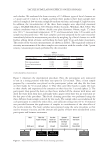
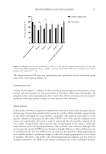
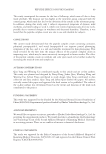
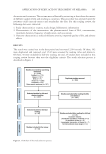
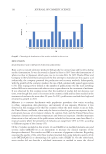
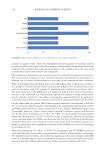
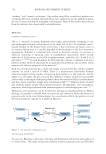
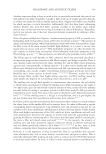
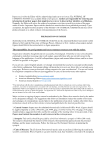
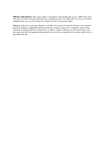
Graph II. Correlation between the number of publications and the KA-related actives in the treatment of melasma. 119 Application of Kojic Acid in Treatment of Melasma
Purchased for the exclusive use of nofirst nolast (unknown)
From: SCC Media Library & Resource Center (library.scconline.org)