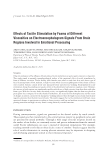
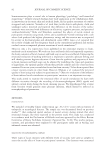
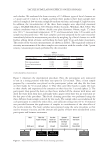
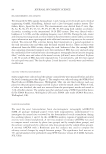
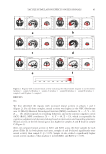
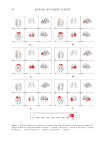
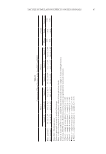
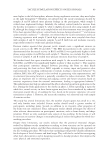
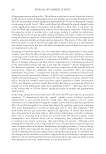
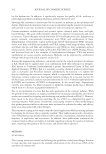
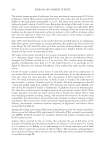
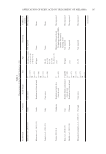
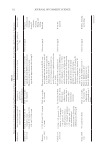
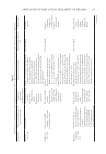
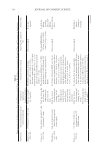
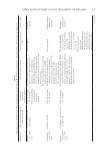
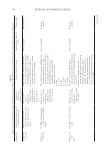
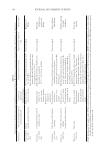
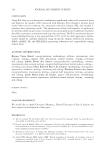
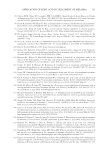
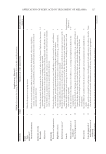
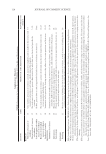
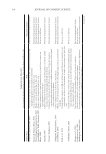
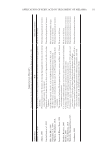
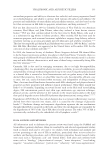
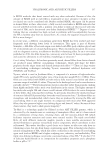
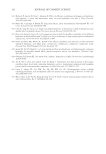
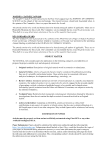
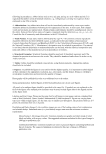
Supplementary Material 1. PRISMA Extension for Scoping Reviews (PRISMA-ScR): Checklist and Explanation. SECTION ITEM PRISMA-ScR CHECKLIST ITEM REPORTED ON PAGE #RESULTS Selection of sources of evidence 14 Give numbers of sources of evidence screened, assessed for eligibility, and included in the review, with reasons for exclusions at each stage, ideally using a flow diagram. 6–7 Characteristics of sources of evidence 15 For each source of evidence, present characteristics for which data were charted and provide the citations. 7–10 Critical appraisal within sources of evidence 16 If done, present data on critical appraisal of included sources of evidence (see item 12). None Results of individual sources of evidence 17 For each included source of evidence, present the relevant data that were charted that relate to the review questions and objectives. 10–23 Synthesis of results 18 Summarize and/or present the charting results as they relate to the review questions and objectives. 10–23 DISCUSSION Summary of evidence 19 Summarize the main results (including an overview of concepts, themes, and types of evidence available), link to the review questions and objectives, and consider the relevance to key groups. 23–28 Limitations 20 Discuss the limitations of the scoping review process. 28 Conclusions 21 Provide a general interpretation of the results with respect to the review questions and objectives, as well as potential implications and/or next steps. 29 FUNDING Funding 22 Describe sources of funding for the included sources of evidence, as well as sources of funding for the scoping review. Describe the role of the funders of the scoping review. 29 JBI =Joanna Briggs Institute PRISMA-ScR =Preferred Reporting Items for Systematic Reviews and Meta-Analyses extension for Scoping Reviews. *Where sources of evidence (see second footnote) are compiled from, such as bibliographic databases, social media platforms, and websites. †A more inclusive/heterogeneous term used to account for the different types of evidence or data sources (e.g., quantitative and/or qualitative research, expert opinion, and policy documents) that may be eligible in a scoping review as opposed to only studies. This is not to be confused with information sources (see first footnote). ‡The frameworks by Arksey and O’Malley (6) and Levac and colleagues (7) and the JBI guidance (4,5) refer to the process of data extraction in a scoping review as data charting. §The process of systematically examining research evidence to assess its validity, results, and relevance before using it to inform a decision. This term is used for items 12 and 19 instead of “risk of bias” (which is more applicable to systematic reviews of interventions) to include and acknowledge the various sources of evidence that may be used in a scoping review (e.g., quantitative and/or qualitative research, expert opinion, and policy document). From: Tricco AC, Lillie E, Zarin W, O’Brien KK, Colquhoun H, Levac D et al. PRISMA Extension for Scoping Reviews (PRISMA-ScR): Checklist and Explanation. Ann Intern Med2018 .169:467–473. doi: 10.7326/M18-0850. 128 JOURNAL OF COSMETIC SCIENCE

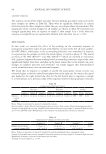
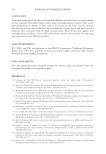
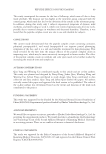
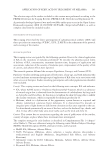
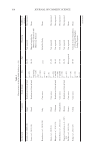
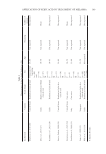
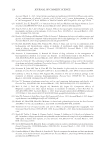
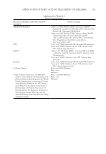
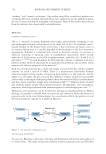
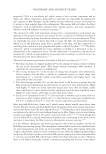
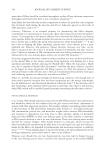
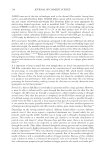
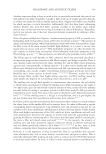
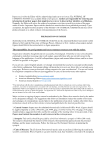
129 Application of Kojic Acid in Treatment of Melasma Supplementary Material 2. Detailed search strategy. Electronic database and other research resources Search strategy MEDLINE (PubMed) (“kojic acid”[All Fields]) AND (“melanosis”[MeSH Terms] OR “melanosis”[All Fields] OR “melasma”[All Fields] OR “Chloasma”[All Fields]) (“kojic acid”[All Fields]) AND (“adverse effects”[MeSH Subheading] OR (“adverse”[All Fields] AND “effects”[All Fields]) OR “adverse effects”[All Fields] OR “Drug-Related Side Effects and Adverse Reactions”[All Fields]) BVS “kojic acid” AND (melasma OR chloasma OR melanosis) “kojic acid” AND (“adverse effects” OR “adverse event” OR “adverse drug reaction”) Embase (“kojic acid” OR (kojic AND (“acid”/exp OR acid) AND (“chloasma”/exp OR chloasma) AND (“melanosis”/exp OR melanosis) “kojic acid” AND (“adverse event” OR “adverse drug reaction”) Escopus “kojic acid” AND (melasma OR chloasma OR melanosis) “kojic acid” AND (“adverse effects” OR “adverse event” OR “adverse drug reaction”) Cochrane Library Kojic acid AND Melasma Kojic acid Melasma Google Scholar, Open Gray, the ISRCTN registry, ClinicalTrials, the Australian New Zealand Clinical Trials Registry, the World Health Organization International Clinical Trials Registry Platform, the EU Clinical Trials Register, the American Academy of Dermatology, the British Association of Dermatologists, the European Academy of Dermatology Annual Meeting, and the Annual Meeting of the Australasian College of Dermatologists Kojic acid AND Melasma Kojic acid Melasma
Purchased for the exclusive use of nofirst nolast (unknown)
From: SCC Media Library & Resource Center (library.scconline.org)