MEASUREMENT OF ODORS IN COSMETICS 9 hydrogen ions decreases until it reaches at times a relatively high alkalinity. At that high pH, chemical changes occur, and new bacteria appear, be- cause the alkalinity is favorable to their growth. This disequilibrium is the main reason why perspiration odors are noticeable in a relatively short time. These phenomena suc- ceed or accompany each other at an incredible speed, and this can have the most serious consequences on body sanitation and clothes preser- vation. THE ODORS OF PERSPIRATION The main action of bacteria is to produce an odor due to the de- composition of organic compounds normally present in sweat. It goes without saying that abnormal com- pounds will also be decomposed. Furthermore, bacterial decomposi- tion will increase odors due to all kinds of endogenous and exogenous causes. Among endogenous causes, the most important are foods, medicines and pathological disturbances. Certain foods are known to give perspiration a characteristic odor: such are pork, lamb, chicken, tur- key, goose, duck, venison, cabbage, cauliflower, broccoli, asparagus, arti- choke, many other vegetables, fruits, cheeses, spices, preserves, fats, etc. Most drugs are partially eliminated in sweat, and conse- quently give it a specific odor. Among the common medicines we can mention aspirin, and similar antipyretics, barbiturates, iodine and its salts, and bromides. Fi- nally, toxins eliminated by the skin in many diseases give a very strong odor to human perspiration as soon as decomposition starts. Among exogenous causes, the most im- portant are dirt, location, and wear- ing apparel. Cleanliness prevents increase of perspiration odor due to outside dirt. Unclean persons have a stronger body odor than clean ones. Th[ odor of perspiration also varies with the location of the sweat glands, and the proximity of sebaceous glands, organs, or parts of the body having an odor of their own. Everyone knows that scalp perspiration has a different odor from the sweat of the armpit, thigh, back, or feet. Finishes on clothes, dyes, water repellents, rubber coat- ings, mildew preventives of the phenolic type, are liable to change the odor of perspiration. Some finishes also contain starch or com- pounds which are decomposed by bacteria, and consequently have an odor of their own which adds to that of perspiration. Leather and tannic acid give a special odor to perspiration of the feet. Likewise, girdles, suspenders, and braces af- fect the odor of body perspiration. Finally, when sweat comes in con- tact with wearing apparel, a small amount of the finishes is dissolved or suspended in it, and a combined odor is produced. It is composed of (1) the odor of decomposed perspira- tion itself (2) the increased odor of the abnormal constituents of sweat (3) the odor of the finishes in the garment (4) the odor caused

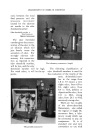
10 JOURNAL OF THE SOCIETY OF COSMETIC CHEMISTS by reactions between these finishes and the decomposed perspiration and between the fabrics themselves, whether silk, wool, cotton, viscose, acetate, or leather, and perspiration itself. This makes the odors of perspiration very variable in nature and intensity. It should not be forgotten, how- ever, that without bacterial decom- position there is no odor, in any circumstances, and thai: the only two ways of preventing perspiration odors are: stopping perspiration or preventing its bacterial decom- position. PREVENTING BACTERIAL DEeO•4POSITION Preventing bacterial decomposi- tion calls for the use of germicides. By using them the sweat becomes more or less free from active organ- isms and remains odorless. Not all germicides can be used for this purpose. Compounds have to meet various conditions to prevent bac- terial decomposition of perspiration whether they are to be applied on the skin or on fabrics. The ideal germicide for cosmetics should meet the following require- ments: It should not be toxic at the normal concentrations of use it should not be a skin irritant, nor a cutaneous sensitizer it should not have a strong odor of its own it should not add any color to the cosmetic, nor change the normal color of the cosmetic through any chemical reaction. It should be possible to readily incorporate it in a given formula without appreciably changing the physical properties of the finished compound such as particle size, viscosity, surface ten- sion, volatility, solubility, melting and freezing points, osmosis, and others. Germicides are used not only in underarm deodorants and anti- perspirants, but also in body, hand and face creams and lotions, lip- stick, face powders, soaps, sham- poos, hair lacquers, hair dyes, hair bleaches, hair tonics, hair rinses, tooth pastes, mouth washes, nail polishes, shaving creams, after shave lotions, leg make-up, and foot powders. Odor measuremen ts will enable the cosmetic chemist to be sure that the original odor of his product has not been changed by the addition of germi- cides. ODORS IN PERFUMES AND COSMETICS As can be expected, the Osmom- eter has a great many applica- tions in the manufacturing and aging of perfumes, and in the cos- metic industry. In many cases the use of the Osmometer replaces the old filter paper method for the testing and evaluating of the strength of perfumes or cosmetic scents. It enables several people in the same organization to obtain the same results. It gives the re- suits obtained in numerical figures that can be understood by any- body, and makes comparisons with other batches from the same manu- facturer, or with competitive brands, easy and reproducible. Any odors
Purchased for the exclusive use of nofirst nolast (unknown)
From: SCC Media Library & Resource Center (library.scconline.org)