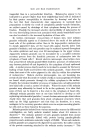
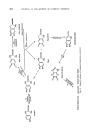
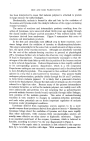
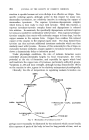
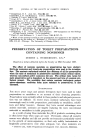
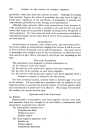
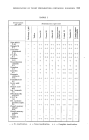
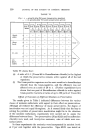
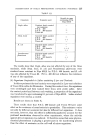
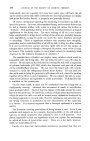
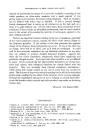
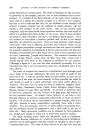
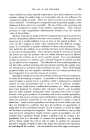
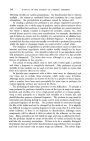
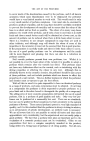
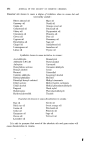
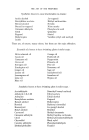
PRESERVATION OF TOILET PREPARATIONS CONTAINING NONIONICS 215 TABLE I Preservative Nontonics at 2 per cent per cent Nipa 82121 0.15 -- -- ++ ++ ++ q_q_ q_q_ q_q_ Nipagin M 0.1 -- -- ++ q_q_ ++ ++ ++ q_q_ q_q_ Parachlor- phenoxetol 0.15 -- -- + ++ ++ ++ ++ ++ ++ P.C.M.C. 0.1 -- -- + ++ ++ ++ ++ ++ ++ Hibitane 0.01 -- -- + + + + + + + Benzalkonium chloride 0.1 -- -- + + + + + + + Octaphen 0.1 -- _ q- q- + + , q-+ +q- Cetavlon 0.1 -- -- + + + + ++ q-+ Cinnamic aldehyde ] 0'01 -- -- ++ ++ ++ ++ ++ ++ ++ Formaldehyde 0.1 Sorbic acid 0.3 Benzoic acid i).2 Sod. benzoate 0.5 -- -- ++ ++ ++ ++ ++ ++ __ Dehydroacetic acid 0.3 -- -- q-q- +q- ++ q-+ q-q- q-q- _ E.D.T.A. 1.0 -- -- ++ ++ ++ ++ ++ ++ ++ Pot. hydroxy- quinolin sulph. 0.1 -- -- ++ ++ ++ ++ ++ ++ ++ Phenyl mercury nitrate 0.01 ......... Phenyl mercury acetate 0.01 .......... Armeen Z 0-5 -- -- +q- q-+ +q- q-q- ++ q-q- _ -- No inactivation. q- ---- Some inactivation. q- q- = Complete inactivation.

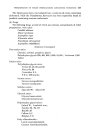
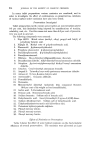
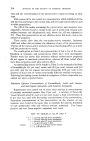
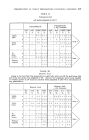
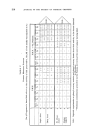
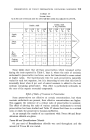
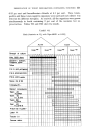
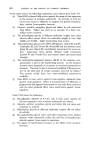
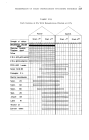
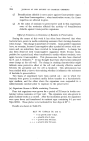
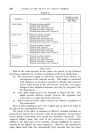
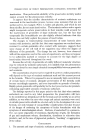
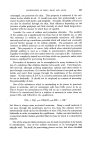
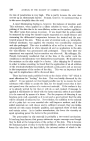
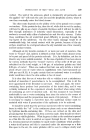
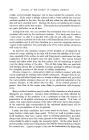
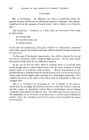
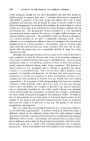
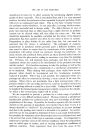
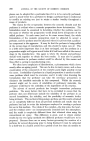
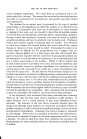
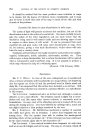
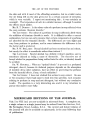
216 JOURNAL OF THE SOCIETY OF COSMETIC CHEMISTS cent and the concentrations of the preservatives varied according to their type. Each preservative was tested at a concentration which inhibited all the test bacteria and fungi in the control tests and yet could conceivably be used in toilet preparations. The pH of the media containing the preservatives and nonionics were adjusted to between 6 and 7, except in the case of sorbic acid, benzoic acid, sodium benzoate and dehydroacetic acid, where the pH was adjusted to 5.5. These four preservatives are not effective above this level, even in the absence of nonionics. These results show that the non-surface-active nonionics, Carbowax 1,500 and tallow did not reduce the efficiency of any of the preservatives, whereas all the surface-active nonionics had an inactivating effect on at least half the preservatives tested. The results given in Table I are representative of but a few of the com- binations of nonionics and preservatives which have been investigated. Further work has shown that nonionics without surface-active properties do not appear to inactivate preservatives, whereas all those tested which have these properties exert some adverse effect. An outstanding feature of the results in Table I is the unimpaired activity of formaldehyde (0-1 per cent), sorbic acid (0.3 per cent), benzoic acid (0.2 per cent), and the two organic mercurial compounds (0.01 per cent) in the presence of 2 per cent of various structurally different nonionic surfactants. Following this finding a more detailed investigation of these compounds was carried out and is reported below: Minimum Effective Concentrations of Formaldehyde, Sorbic acid, Benzoic acid and Organic mercurials, with Nonionic Surfactants Experiments were carried out to assess their activity in concentrations of nonionic surfactants greater than 2 per cent. A mixture of Tween 60, Tween 80 and Lubrol W, each at 2 per cent, to give a final concentration of 6 per cent was used with decreasing concentrations of the preservatives. Equivalent concentrations of the preservatives, in the absence of any nonionic, were tested at the same time to establish the activity thresholds of each preservative with and without nonionic surfactant. Two Gram- positive and two Gram-negative organisms were used. KEY TO TABLES II, III, IV AND V q- q- + = growth after 24 hours incubation q- q- = growth after 48 hours incubation q- ----- growth after 72 hours incubation -- no growth after 7 days. Culture a = 0.1 mi. of a 24-hour broth culture b = a 1/30 dilution of a.
Purchased for the exclusive use of nofirst nolast (unknown)
From: SCC Media Library & Resource Center (library.scconline.org)