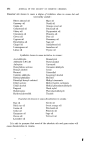
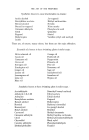
PRESERVATION OF TOILET PREPARATIONS coNTAINING NONIONICS 9,13 The Streptococcus bovis was isolated from a water-in-oil cream containing cholesterol, while the Pseudomonas fluorescens has been repeatedly found in products containing nonionic surfactants. (b) Fungi The following fungi, several of which are common contaminants of toilet preparations, were used: Candida albicans Mucor racemosus Aspergillus niger Alternaria solani Penicillium chrysogenum Aspergillus amsteledami. Nonionics Investigated Non-surface-active Glycerin, sorbitol, propylene glycol Polyethylene glycols 200, 400, 600, 2,000, 10,000 Carbowax 1,500 Tallow Surface-active Polyethylene glycol esters: Tween 20, 40, 60 and 80 Nonex 64, 00 Cremophor E.L. P.E.G. 400 laurate. Sucrose esters: Sucrose monopalmitate Sucrose monolaurate. Sorbitan esters: Span 20, 60 Arlacel 83. Glycerol esters: Glyceryl mono-oleate Glyceryl monostearate. Polyethylene glycol ethers: Lubrol W Lanbritol wax Texofor D1, F4, B1 Brij 30, 35 Collone A.C. Ethylan T.U. Fatty alkanolamides: Lauric isopropanolamide Coconut monoethanolamide.

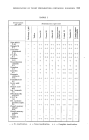
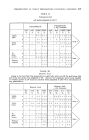
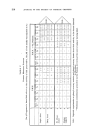
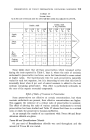
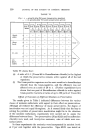
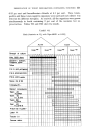
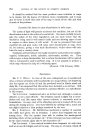
214 JOURNAL OF THE SOCIETY OF COSMETIC CHEMISTS In many toilet preparations various nonionics are combined, and in order to investigate the effect of combinations on preservatives, mixtures of various surface-active nonionics have also been tested. Preservatives Investigated Toilet preparations rarely contain preservatives at concentrations above 0.5 per cent, this limitation being imposed by considerations of toxicity, solubility, cost, etc. For this reason not more than 0-5 per cent of preserva- tive was used in any test. The following compounds were assessed: 1. Nipa 82121. Mixed esters (methyl, ethyl, propyl and butyl) of p-hydroxy benzoic acid. 2. Nipagin M. Methyl ester of p-hydroxybenzoic acid. 3. Phenoxetol. /•-phenoxyethylalcohol. 4. Propylene phenoxetol. /•-phenoxypropylalcohol. 5. Parachlorphenoxetol. /•-p-chlorphenoxyethylalcohol. 6. Parachlormetacresol. 7. Hibitane. Bis-p-chlorphenyldiguanidohexane diacetate. 8. Benzalkonium chloride. Alkyl-dimethyl benzyl ammonium chloride. 9. Octaphen. /•-p-tert-octylphenoxyethyl diethyl benzyl ammonium chloride. 10. Cetavlon. Cetyl trimethyl ammonium bromide. 11. Arquad S. Tri-methyl soya acid quaternary ammonium chloride. 12. Armeen Z. N-Coco/•-amino butyric acid. 13. Anti-mould C. Cinnamic aidehyde. 14. Formaldehyde. 15. Hexamine. 16. Monomethylol dimethyl hydantoin (this compound liberates 18.9 per cent of its weight as free formaldehyde). 17. Sorbic acid. 2,4-hexadienoic acid. 18. Benzoic acid. Benzenecarboxylic acid. 19. Sodium benzoate. Sodium salt of benzoic acid. 20. Dehydroacetic acid. 3-acetyl-6-methyl-l,2-pyran-2,4(3H)-dione. 21. Sodium dehydroacetate. Sodium salt of dehydroacetic acid. 22. Ethylenediaminetetra-acetic acid (di-sodium salt). 23. Potassium hydroxyquinolin sulphate. 24. Phenyl mercury nitrate. 25. Phenyl mercury acetate. 26. Phenyl mercury borate. Effects of Nonionics on Preservatives Table I shows the effect of some typical nonionics on the bacteriostatic efficiency of several preservatives. The nonionics were all tested at 2 per
Purchased for the exclusive use of nofirst nolast (unknown)
From: SCC Media Library & Resource Center (library.scconline.org)