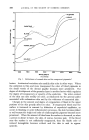
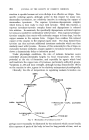
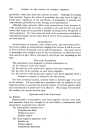
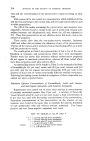
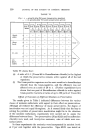
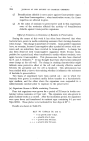
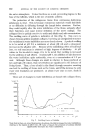
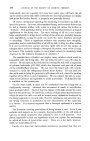
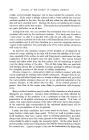
204 JOURNAL OF THE SOCIETY OF COSMETIC CHEMISTS reaction is specific because not even dl-dopa is as effective as 1-dopa. Non- specific reducing agents, although .active in this respect for many non- mammalian tyrosinases, are relatively inactive in reducing the copper of mammalian tyrosinase. The cuprous tyrosinase-dopaquinone complex which forms is then ready to react with tyrosine. With this reaction, a cuprous tyrosinase-tyrosine complex forms and dopaquinone is released into solution. In mammals, the specifically dopaquinone activated cuprous tyrosinase is needed for combination with tyrosine. This cuprous tyrosi,nase- tyrosine complex then reacts with molecular oxygen to form dopa, but the copper remains in the cuprous form. Oxygen then oxidizes this reduced copper of the enzyme to the original cupric state. The dopa formed from tyrosine can then activate additional tyrosinase molecules which can then similarly react with tyrosine. Because of this autocatalytic r61e of dopa on enzymatic tyrosine oxidation, oxygen uptake in tyrosinase-tyrosine systems shows a characteristic delay or induction period. Under physiologic conditions, the rate of melanin formation seems controlled physico-chemically largely by local temperature, the redox potential at the site of formation, and especially by agents which bind and inactivate the copper ions of tyrosinase, particularly sulfhydryl groups. Variations in pH and ionic strength, although having demonstrable effects on the reaction in vitro, appear to be relatively unimportant physiologically. Clinically, the r61e of temperature in regulating melanin formation can DOPA O• u +1 ) TYROSINASoe ( Cu+l ) o/ DOPA QUINONE PA TYIROSINASE: - I)OPA QUINON I:' TYROSINASE: •.TYROSIN E • (Cu+•) •TYROSINE ..... Fig. 4. Mecha•nism of tyrosina•se a•ction. •? perhaps most reasonably be illustrated by the melanosis which occurs locally alter exposure of parts of the body to heat for long periods of time, such as

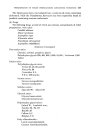
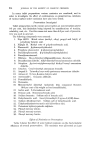
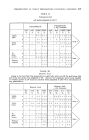
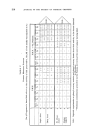
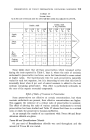
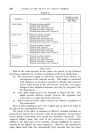
SKIN AND HAIR PIGMENTATION 205 from repeated use of hot water bottles. Although the redox potential in living cells must be poised within rather narrow limits just as must the pH, the very great dependence of various steps in the melanin-forming series of reactions on proper redox potentials, makes it likely that physiological variations in this parameter very signi- ficantly regulate melanin formation. The action of huge doses of ascorbic acid in occasionally diminishing the melanosis of Addison's disease •' can be used to illustrate the role of this factor of redox potential. The important role of copper-binding agents in regulating melanin formation in human skin under natural conditions was first proposed by Rothman and co-workers more than a decade ago. • They found that epidermal extracts were able to inhibit the oxidation of tyrosine by the tyrosinase reaction and that this inhibition was largely due to sulfhydryl groups in such extracts. They then made the significant hypothesis that tyrosinase in the skin is normally kept in a partially inhibited state by copper- binding sulfhydryl compounds and that various pigrnentogenic stimuli, such as sunshine, ionizing radiations, and inflammatory skin diseases act by oxidizing or otherwise removing the inhibitory sulfhydryl groups to permit the enzyme to act more freely on its substrate. Brilliant proof that tyrosinase exists in a partially inhibited state in human skin, came with the relatively recent work of Fitzpatrick, Becker, Lerner and Montgomery, TM in which they were able to demonstrate tyrosinase activity in the skin histochemically only after releasing inhibition of this enzyme by repeated ultraviolet irradiations of the skin. Local injections of copper have also been shown to have a releasing action on the inhibited tyrosinase in normal human skin. More recently, Magnin and Rothman have brought forth evidence that in epidermal extracts copper-binding agents other than sulfhydryl groups also help keep tyrosinase partially inhibited. • It appears likely that these additional physiological inhibitors of tyrosinase will prove to be, or at least include, free amino acids. Phenylalanine, for example, has been claimed to have such an inhibiting action on tyrosinase in individuals suffering from phenylpyruvic oligophrenia. TM Various factors which have been found to inhibit the enzymatic process of melanin formation either in vitro or in vivo or in both, can be generally classified into the following categories: (1) Direct enzyme inhibitors or poisons (2) competitive inhibitors (3) induction-period-prolonging agents (4) compounds reacting with intermediates in the melanin-forming chain of reactions (5) reducing agents and (6) inhibitors of largely unknown modes of action. I will not undertake a detailed discussion of these factors as this subject will be covered in another presentation. The obvious variations in the amount of melanin in the skin and hair in both normal and abnormal conditions may be dependent either on varia-
Purchased for the exclusive use of nofirst nolast (unknown)
From: SCC Media Library & Resource Center (library.scconline.org)