202 JOURNAL OF THE SOCIETY OF COSMETIC CHEMISTS ¸ ¸ / / / Relatively slow

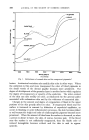
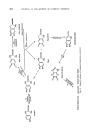
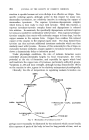
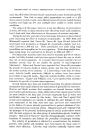
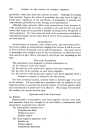
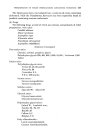
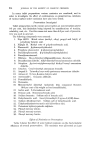
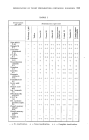
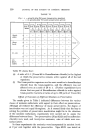
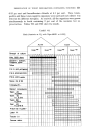
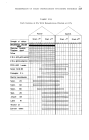
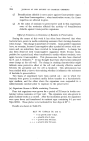
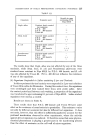
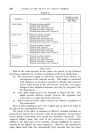
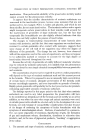
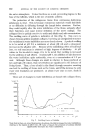
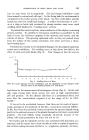
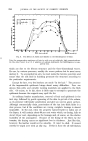
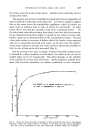
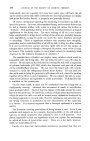
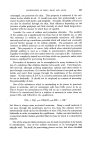
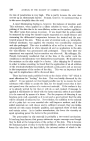
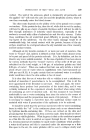
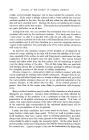
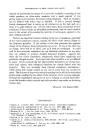
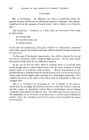
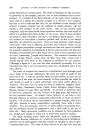
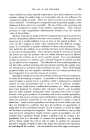
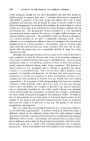
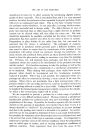
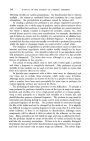
SKIN AND HAIR PIGMENTATION 203 has been interpreted to mean that melanin polymer is attached to protein in large measure by sulfur linkages. Biochemically, melanin is formed in skin and hair by the oxidation of the amino-acid tyrosine under the catalytic influence of the copper-containing enzyme tyrosinase. The series of reactions and intermediate products resulting from the action of tyrosinase, were uncovered about thirty years ago largely through the classic studies of Raper and his associates, •5 who worked mainly with tyrosinase derived from mealworms. Figure 3 summarizes this series of reactions and intermediate products. In the first and chemically most difficult step in these reactions, tyro- sinase brings about the oxidation of tyrosine to dihydroxyphenylalanine. This step is autocatalytic in the sense that, as small amounts of dopa accumu- late, the speed of the reaction increases. Although not absolutely essential for the rest of the melanin-forming reactions to proceed at physiological pH's, tyrosinase further acts to hasten the otherwise very sluggish oxidation of dopa to dopaquinone. Dopaquinone immediately rearranges so that the nitrogen of the side chain links up with the six position of the benzene nucleus to form reduced dopachrome. Reduced dopachrome is then rapidly oxidized to its corresponding quinone, dopachrome, which is a red compound. Dopachrome undergoes non-enzymatic rearrangement and is decarboxylated to form 5,6-dihydroxyindole. This compound is then oxidized to indole 5,6- quinone in a step that is also hastened by tyrosinase. This quinone finally undergoes polymerization, probably chiefly through the 3,4 and 7 positions, to form brown melanin pigment. It is likely that a quinonoid structure exists in the final polymer, because the dark color of melanin can be reversibly reduced to a light tan color. Because many of the quinone intermediates in melanin formation, as well as the melanin polymer, can readily react with some amino-acids and proteins it is not surprising that as polymerization proceeds melanin becomes closely bound, especially through sulfur linkages, with proteins of the melanin granules. This series of melanin-forming reactions is very sensitive to changes in oxidation-reduction potentials, and such redox potentials are no doubt important regulators of melanin formation under physiological conditions. Tyrosinase derived from mammalian sources appears to be a more specific enzyme than tyrosinases derived from plants or insects.•6 Mammalian tyrosinase brings about the oxidation of tyrosine and dopa more rapidly than other substrates, while enzymes from non-mammalian sources are usually more effective on other mono- or diphenolic substrates. Copper is an essential constituent of the enzyme, tyrosinase, which is believed to function, according to Lerner? in the •vay diagrammed in Figure 4. Copper in the cupric state in tyrosinase is first reduced to the cuprous form by a reversible reaction with dopa. With mammalian tyrosinase this
Purchased for the exclusive use of nofirst nolast (unknown)
From: SCC Media Library & Resource Center (library.scconline.org)