J. Soc. Cosmetic Chemists, 18, 191-198 (Mar. 4, 1967) The Application of Microbiology to Cosmetic Testing STANLEY W. OLSON, M.S.,* Presented September •0-•1, 1•66, Seminar, New York City Synopsis Sanitation and preservation hold the key to the control of microbial contamination in cosmetic products. Ultraviolet radiation can be used industrially to control the build-up of micro flora in the stored deionized water that is utilized in the manufacture of cosmetics. A titration technique has been developed for measuring the relative antimicrobial activity of test preservative systems in products. The technique employs varying dosages of selected test microbes which are inoculated into the test systems. The method has been found pre- dictive in that preservative systems inactivating high dosages of test microorganisms are effective under practical conditions. INTRODUCTION Cosmetics need not be completely free from nonpathogenic bac- teria and fungi, but the residual organisms present in any product at the time produced must be prevented from multiplying during the product's shelf and use life by an effective preservative (1). While the desired objective of a microbiological program in the production of cosmetics is to develop "sterile" products, the desired ob- jective is not always readily attainable. "Sterile," as used in this con- text, means free from living microflora which can be detected by routine sterility tests. Ideally, cosmetics should be self-sterilizing against all microbes encountered during production, packaging, and usage: When complete sterility is not feasible, the cosmetics must be free of viable human pathogens and inhibitory against residual nonpathogens. Actively viable microorganisms can be deleterious to both the es- thetics and to the functional characteristics of cosmetic products. * Microbiology Section of The Toni Company, St. Paul, Minnesota. 191

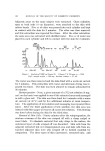
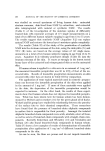
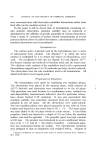
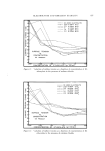
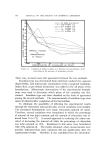
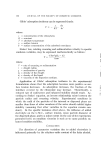
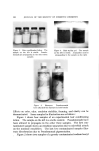
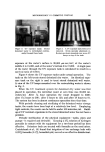
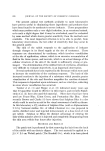
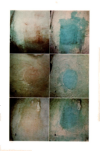
192 JOURNAL OF THE SOCIEFY OF COSMETIC CHEMISTS ß "• .... - •-•4• • '• 2 '"•-• ..... • '• .... • ....... •. •.•,- :, • •:: •4.. -2 • •-:.•'• :• "•...•.. ' . • :: .:..•34•.- - - • :E •..r......- :r-...--. ............. ß .......--•. •x • ..•.• •.•...• : ............. ::- ::- Figure 1. Hair conditioning lotion. The sample on the left is sterile. Pseudo- monads are propagating in the other three samples Figure $. Hair styling gel. The sample on the left is sterile. Aspergillus mold is propagating in the sample on the right Figure 2. Shampoo. Pseudomonads have attacked the shampoo in both bottles Effects on color, odor, emulsion stability, foaming, and clarity can be demonstrated. Some samples for illustration are as follows: Figure 1 shows four samples of an experimental hair conditioning lotion. The sample on the left is a sterile control. Pseudomonads have been allowed to propagate in the other three samples. The first con- taminated sample shows an emulsion separation due to microbial attack on the nonionic emulsifiers. The last two contaminated samples illus- trate discoloration due to Pseudomonad pigmentation. • Figure 2 shows two samples of a grossly contaminated sodium lauryl
Purchased for the exclusive use of nofirst nolast (unknown)
From: SCC Media Library & Resource Center (library.scconline.org)