I. Soc. Cosmet. Chem., 27, 73-86 (1976) Microbial Quality Control for the Manufacture of Cosmetic Emulsions C. KANO, B.S.,* O. NAKATA, B.S.,* S. KUROSAKI, B.S.,* and M. YANAGI, B.S.* Synopsis: Various aspects of a QUALITY CONTROL SYSTEM intended to insure the production of MICROBIAL FREE COSMETICS or cosmetics containing a minimum number of organisms are discussed. This subject has received world-wide attention and, at present, a great deal of time and effort is devoted to establishing such a system. The authors indicate the various sources and potential sources for MICROBIAL CONTAMI- NATION of cosmetics. Microbial contamination of cosmetics can result either from the raw materials or during the actual manufacturing, processing, and packaging operations or from both of these things. Emulsions contain many ingredients which will support the growth of microorganisms. Therefore, attention is given to a discussion of the quality control procedures concerning the manufacture of LARGE-SCALE COSMETIC EMUL- SIONS. The quality control program will be discussed as follows: (a) standardization of tech- niques which will reduce the microbial levels found in cosmetic raw materials (b) sterili- zation, sanitizing, and cleansing procedures for use during the manufacturing process (c) sterilization or sanitization of the packaging components and filling equipment so as to prevent microbial contamination during the packaging process and (d) establishment of test methods useful for microbial quality assurance. Finally, consideration is given to other aspects of a quality control system including on-the-job training programs for plant employees and plant maintenance and sanitation. INTRODUCTION In recent years the incidence of skin irritation caused by the application of cosmetics has been on the increase in Japan, and hence, the need for a non- irritant type of cosmetic has become increasingly popular. In order to manufacture such a cosmetic, careful selection of raw materials and particular attention to formulation are essential factors. Utmost care is necessary throughout the various stages of the manufacturing process, which must be carried out in a microbially free environment. This is an important factor and has come to represent what the consumer expects from a modern cosmetic manufacturer. *Shiseido Research Laboratories, Yokohama, Japan. '[Shiseido Osaka Factory, Osaka, Japan. 73

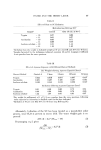
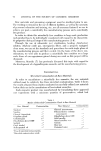
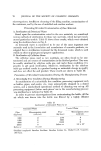
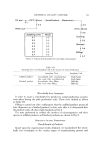
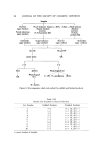
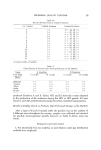
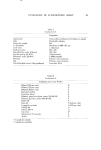
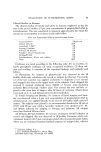
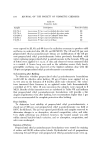
74 JOURNAL OF THE SOCIETY OF COSMETIC CHEMISTS Raw materials and processing equipment must be sterilized prior to use. The working environment, the use of efficient facilities, as well as the necessity of personnel education and training, etc., are all necessary factors if we are to achieve our goal a microbially free manufacturing process and a microbially free product. In order to obtain this microbially free condition in large-scale production each product has to be individually considered with regard to its characteris- tic properties during all steps of the manufacturing process (1-6). Through the use of ultraviolet (uv) sterilization, heating, disinfectant solution, ethylene oxide gas, microporous filters, and a properly equipped clean room, we can set the standards and procedures for each single phase of the manufacturing process and their control. On the basis of the above con- siderations, we were able to produce a microbially free emulsion on a large scale. Some of our experiences gained during our work on this project will be discussed. Moreover, Morrish (7) has previously discussed this topic with regard to the development of a hypoallergenic cosmetic and its manufacturing process. EXPERIMENTAL Microbial Contamination o[ Raw Materials In order to manufacture a microbially frec cosmetic, the raw materials utilized must bc relatively free from microbial contamination. Table I shows the results obtained from studies conducted on carefully refined raw materials before their use in the manufacture of low-irritant cosmetics. Each cosmetic product was manufactured by formulating these approved raw ingredients with a minimum quantity of preservatives, which had Table I Results of Microbial Contamination Check in Raw Material Raxv Material Contamination Raw Material Contamination Squalane -" Glycery] monostearate Vaseline _, Polyoxyethylene sorbitan Glyceryl trimyristate --' monostearate Propylene glycol -' Polyethylene glycol 400 Cellulose gum q_b Solid paraffin -'• Polyethylene glycol 1500 -' Microcrystalline xvax Sorbitol --' Ceresin Cetyl alcohol -' Bees wax Hydrogenareal oil _a Deionized water =Free of microbial contamination. "Microbial contamination noted.
Purchased for the exclusive use of nofirst nolast (unknown)
From: SCC Media Library & Resource Center (library.scconline.org)