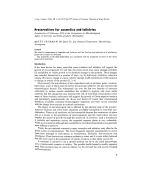
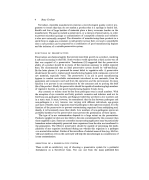
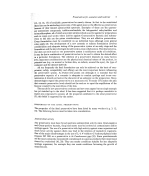
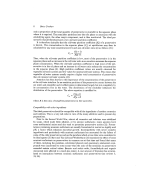
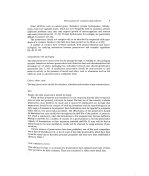
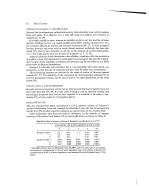
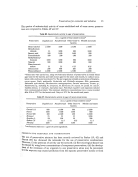
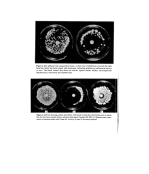
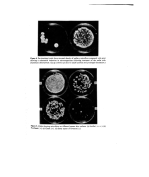
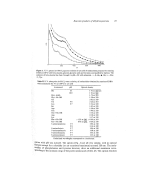
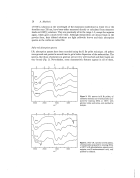
Figure 2. Disc diffusion test using axillary prints. A clear zone of inhibition surrounds the right hand disc which has been treated with deodorant, indicating satisfactory antibacterial activity in vitro. The blank control disc shows no activity against similar axillary microorganisms (staphylococci, micrococci and diphtheroids). ," ß ...•:•...•., . ,..•, .•.•: •.- . ,• :._ '-•. •.:• .,a' b- c •i[•re 3. (•) P•int sbowin• •xil!•y mic•o•o• with bl•k control disc. (b) 5imil• p•i•t in which disc 5•s •ctio• o• •ntimicrobi•l with Twee• 80. Actiuity is seen to be much •educed.

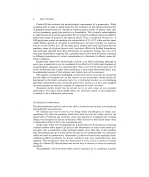
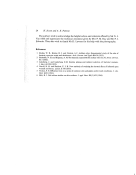
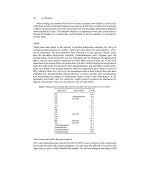
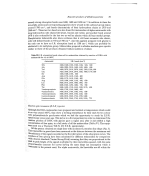
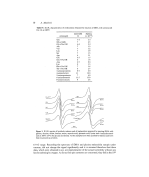
Figure 4. Pre-treatment print shows normal density of axillary microflora compared with print showing a substantial reduction in microorganisms following treatment of the axi!la with aluminium chlorhydrate. (Large colonies are due to small numbers and prolonged incubation.) Figure 5. Prints showing microflora on different human skin surfaces. (a) Axilla (+ + +). (b) Forehead (+). (c) Cheek (+). (d) Inner aspect of forearm (+).
Purchased for the exclusive use of nofirst nolast (unknown)
From: SCC Media Library & Resource Center (library.scconline.org)