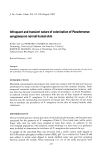
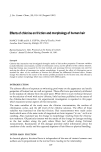
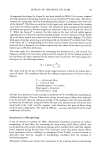
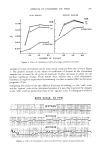
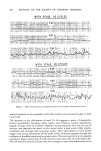
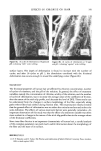
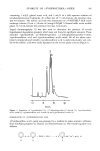
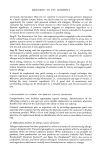
240 JOURNAL OF THE SOCIETY OF COSMETIC CHEMISTS WITH SCALE, 10 CYCLES .... ' ':[ - : l! l/','[li',ill II[-[l' '!l['•i'='" - . , li•11•::l:i: ll:: , •. ..... ,r.i 'l•l : : 'l•l ,•_.-:.+__.? 'n'titLTlll-l.•'ri'ifiTi-•ll i.:•.' '.'rrlIT-!•.'i'i'iTYiT: i'r•T• IT, :I .K.: :l::,, i, I:: ]'lllll'!l•11:F•l •Lk[lil!llllllli'iLll [:" Ill ]l'.i! !.'ill,.l,l{!i:l!',:ßß"'.....'.-,-.---.iß:::.:::....:.,,:"-:,':.,,l,":I.-i-•l.!"-:..•l-:.•,,,.
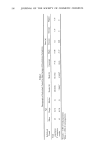
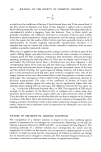
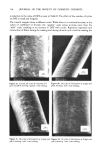
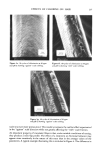
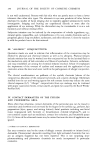
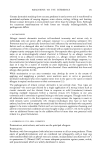
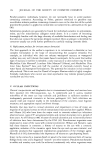
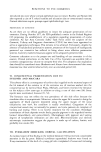
I-rri'i'.r'-'F.'-I-I--TT•'"I:,,:l•'.,,l't•ll:: 'liT] TF 'ill !•.1:1'1111 i]iTriTiI'F , ,:..•:-:-rr r:"r,• l,,.l,i,.lil •':•ll.l,, , . tl Iii I il:' :. , : IllI. I. I[ i-I I:1:,/ 'l'tU-[I,•i , ,. . p.. L. I- ß [ •.::..-• - :.r-i hT, [:.:.: :.l I: i 1 '.1 •1 I :" L' :•i II!1•':•"•'.' I•. : ."•--': ':' I'-[I ,,--I .... , .,:-:•..-! .:.:-- • pH --•" .... rl:'" •"l• :' , :1,,!, I: t•: I ,.i] i I, :l: :., i,,I !, !:,1 :., :.l., '-:-'.. • :-I-..-.: •1 -"' ......•: :.. i il :' I '11 •!I.: .,l:, ..... ,:l.,. ,,,.,: ,,,,.,...: :, •:,l•:!...,: ..• :::•l.i:::l:: •,H lllll:::i!',!11!!i:11. l.i'-: ": ": HI'Ill/I/, i l ,.i, I]: i i i I :IJ_L• • i: I, I •" L4•, ILL': i-• 1.1• -.•- • -•-•- l•- - I"-' • ? 1, I ' ', : i I.' '---" ::' , :,.i,I i [ i I--I.-- -,- • I i..[. t-%-I-1-1 -•,i4.-',--•--•- .ll• • llil• •'ll•l, ,'--l--•l'•l, ,l'•'•--: :: ',l'. : ! I .-.'.1 ' •::' ': _[.l_!.•:m•., •,,,,, :,, :, :1•! :-•.::I'•-I-I'•.':'."-.•,:'i:!1[,..,::'lti,...i_LLir,i,,.-.':LI_:::.:,-,..:_l.l.11-H-ilrf.:' i!11:11 !•il l!l l .... -_... "- • ---•. ,--, .-• l , :.•'•r"' ",-,, r,. -:,... '• [ , , i l •:' "l,': i I i '••. :]t !". L [. I-i-l-p•-i-•' ] I r' ': I-:' i '., ,,"-.-, ..' L.-,: .'•-F. Ilt. LI.I.I.LI._LI •-•-:-I-•-• • ' :.-i ' !-:.3 I :11,!,l,i'!11,:i':ll ,ill':ll!i!li •PH! ii:. i :,1 I '! ":, I"1 I:• I •.] I: i I I ..... i, ",,•: I ' , '•. ,• LI,:,I: I I,, , . I, ,.: ß _.,•. ..... •. -•4-, ..... t' ..... I I I !l[I.l,:l, LIll: ]'I-:.TI'[ I: I-, rl-r',-IT!-! i TFI'i-,FT. • ß •iõure 7. Effect of chlo•i.•tio. •t }0 pp• o. [.st•o- © oeo•c½ pattcr• du•]• oe•iction teStS. marked alteration in the properties of the fiber surface with increased acidity at both cycle levels. The literature on the chlorination of wool (12-20) suggests a variety of degradative reaction possibilities, including cystine rupture and oxidation, tyrosine degradation, peptide cleavage, and loss of protein substance during treatment. As a rule, the rate of reaction, and especially the attack on the cystine bond, is least under mildly alkaline conditions and increases with increasing acidity. These observations in wool keratin suggest that during chlorination of hair under acidic conditions, peptide cleavage and oxidation of disulfide bonds may have taken place. The scanning electron micrographs included in Figure 8 show that all scale character is lost after only 10 cycles (Figure 8a). The low forces involved in friction tests were enough to cause bulk deformation of the

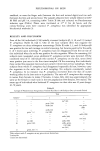
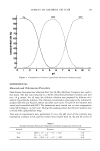
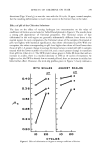
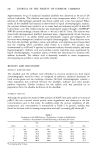
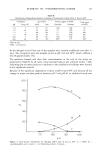
EFFECTS OF CHLORINE ON HAIR 241 Figure 8a. 10 cycles of chlorination at 50 ppm and pH 2, showing "with" scale rubbing. Figure 8b. 20 cycles of chlorination at 50 ppm and pH 2, showing "against" scale rubbing. surface layers. The depth of deformation is found to increase with the number of cycles, and after 20 cycles at pH 2, the dissolution combined with the frictional deformation was severe enough to reveal the underlying cortex (Figure 8b). SUMMARY The frictional properties of human hair are affected by chlorine concentration, number of cycles of treatment, and the pH of the solution. In general, the effect of treatment variables, namely the concentration of chlorine, acidity of the solution, and the number of cycles of chlorination, was to increase the average value of the coefficient of friction, alter the nature of the stick-slip profile, and decrease the level of DFE. These results can be understood from the changes in surface morphology of the fiber, especially along paths where fibers had rubbed during friction tests. This examination clearly revealed that the general effect of chlorination was to soften the cuticular surface and reduce the scale definition. The effects of various treatment factors were generally cumulative. An important observation of this study was that the effect of a treatment variable was often more evident in a change in the nature of the stick-slip profile than in the average values of the frictional coefficients. Since inter-fiber friction is an important characteristic of human hair, a careful analysis of this complex parameter can yield much useful information about the morphology of the fiber and the state of its surface. REFERENCES (•) F. P. Bowden and D. Tabor, T/•e Frictio• a•d L•rica•/o• of So/ids, (Oxford University Press, London, 1950, revised reprint, •954).
Purchased for the exclusive use of nofirst nolast (unknown)
From: SCC Media Library & Resource Center (library.scconline.org)