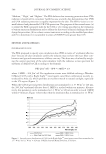
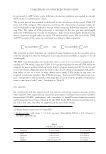
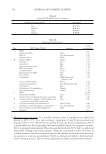
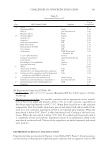
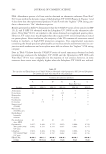
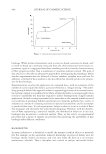
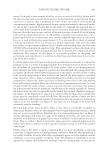
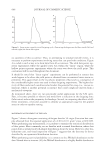
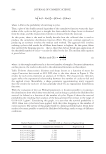
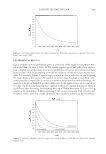
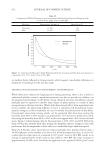
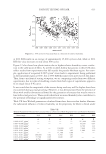
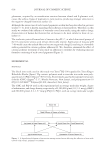
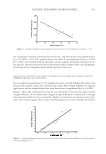
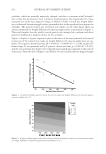
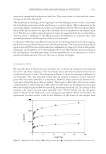
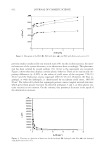
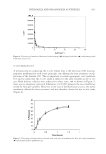
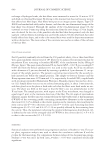
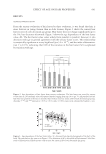
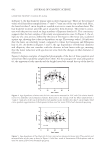
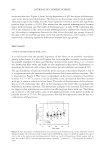
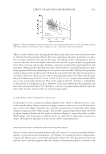
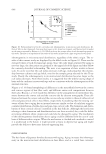
JOURNAL OF COSMETIC SCIENCE 632 previous studies conducted by our research team (30). As the acidity increases, the inter- nal structure of the system decreases, as its shear stress does accordingly. This phenome- non has been verifi ed by several authors (31). As far as the organogels are concerned, Figure 2 shows that they display a similar plastic behavior. There are no statistically im- portant differences (p 0.005) in the values of yield stress of the excipient (7542.33 D/cm2) and the Hydrocotyle asiatica organogel (6923.67 D/cm2). However, the Aloe or- ganogel, as with the hydrogels, is characterized by an inferior yield stress, 4805.66 D/cm2. The values of σ0 show that organogels present a more complex internal structure, which gives them greater viscosity. As observed in Figures 3 and 4, in these plastic sys- tems viscosity is not constant. On the contrary, this parameter decreases as the speed of the deformation increases. Figure 2. Rheogram of the PLO ( ), PLO with Aloe (▲), and PLO with Hydrocotyle asiatica (○). Figure 3. Viscosity as a function of shear rate for the hydrogel ( ), hydrogel with Aloe (▲), and hydrogel with Hydrocotyle asiatica (○).

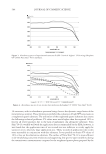
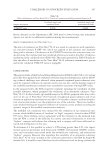
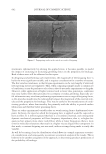
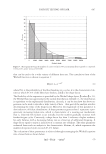
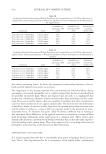
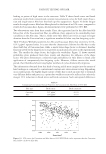
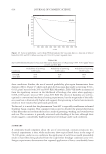
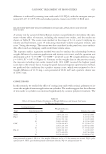
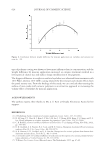
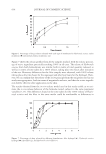
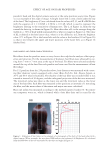
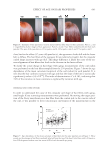
HYDROGELS AND ORGANOGELS AS VEHICLES 633 Figure 4. Viscosity as a function of shear rate for the hydrogel ( ), hydrogel with Aloe (▲), and hydrogel with Hydrocotyle asiatica (○). IN VITRO RELEASE STUDY A previous step to conducting the in vitro release tests is the selection of the most ap- propriate membrane for each active principle: one offering the least resistance on ap- plication of the formula (32). This is important to ensure appropriate sink conditions (23) and to ensure that the in vitro study is subject to the same variables as the in vivo test. Both delivery vehicles were subjected to these tests, and as shown in Figure 5, there are no important statistical differences ( p 0.005) between the two membranes tested for Aloe gel variables. However, in the case of the Hydrocotyle asiatica, the nylon membrane offered the least resistance and was therefore chosen for use in this study (Figure 6). Figure 5. Percentage of drug solution released with each type of membrane for Aloe gel: nylon membrane ( ) and methylcellulose membrane ( ).
Purchased for the exclusive use of nofirst nolast (unknown)
From: SCC Media Library & Resource Center (library.scconline.org)