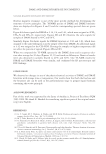
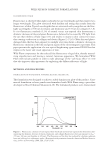
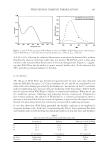
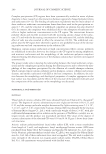
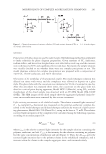
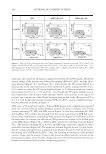
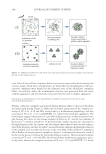
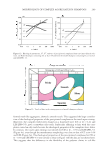
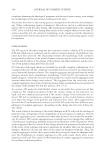
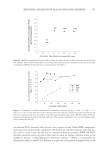
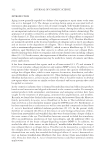
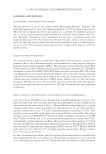
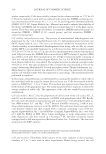
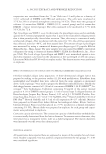
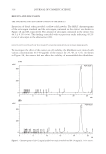
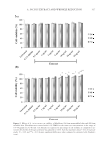
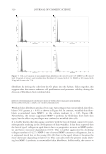
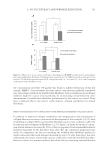
JOURNAL OF COSMETIC SCIENCE 316 RESULTS AND DISCUSSION THE APPEARANCE AND ARTOCARPIN CONTENT OF THE EXTRACT Extraction of dietyl ether provided a yellow solid powder. The HPLC chromatograms of the artocarpin standard and the artocarpin contained in the extract are shown in Figure 1A and 1B, respectively. The amount of artocarpin contained in the extract was 44.5 ± 0.1% (w/w). This fi nding coincided with our previous study indicating 45.2% (w/w) of artocarpin in the ether extract (20). EFFECTS OF THE EXTRACT ON THE VIABILITY AND PROLIFERATION OF HUMAN FIBROBLASTS To investigate the effect of the extract on cell viability, the fi broblasts were treated with various concentrations (0.5–50 μg/ml) of the extract for 24, 48, or 72 h. As shown in Figure 2A, the extract did not affect the viability of nonwrinkled-skin fi broblasts. Figure 1. Chromatograms of (A) 0.2 mg/ml purifi ed artocarpin (standard) and (B) 1.0 mg/ml A. incisus extract.

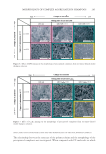
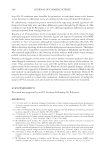
A. INCISUS EXTRACT AND WRINKLE REDUCTION 317 Figure 2. Effects of A. incisus extract on viability of fi broblasts (A) from nonwrinkled skin and (B) from wrinkled skin. Fibroblasts were treated with 0.1% DMSO or the extract at concentrations in the range of 0.5–50 μg/ml for 24, 48, and 72 h. Results are expressed as percentage of cell viability as compared to un- treated cells for which the optical density was adjusted to 100%. Each bar represents mean ± S.D. of triplicate study *p 0.05 and **p 0.01 denote signifi cant differences when compared to untreated cells (Student’s t-test).
Purchased for the exclusive use of nofirst nolast (unknown)
From: SCC Media Library & Resource Center (library.scconline.org)