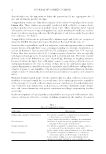
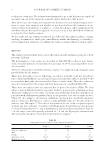
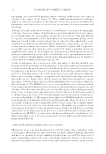
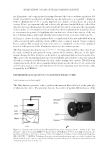
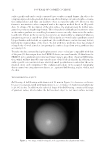
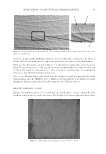
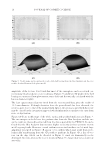
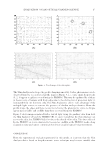
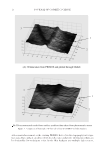
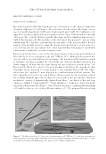
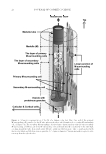
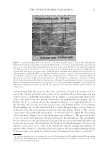
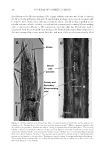
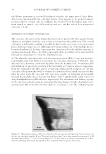
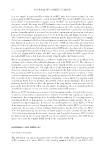
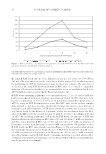
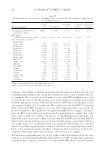
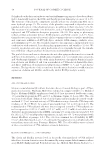
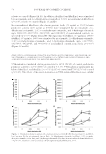
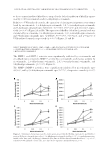
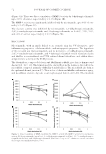
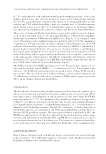
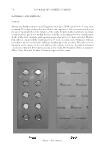
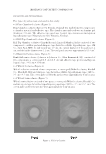
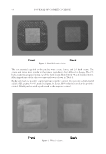
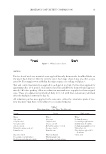
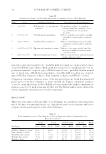
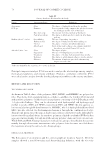
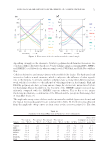
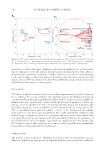
JOURNAL OF COSMETIC SCIENCE 42 bioluminescence assay. The result of an 18 h incubation period for detecting the presence or absence of mold in a test sample is signifi cantly improved by having greater amounts of ATP being produced by mold in comparison with ATP bioluminescence assays using R-TAT broth and Letheen broth as the enrichment broth. EFFECT OF AN 18 HOUR R-TATP BROTH INCUBATION PERIOD ON THE GROWTH OF OTHER TYPES OF MICROORGANISMS Besides for the possibility that mold being present in a test sample of a nonsterile raw ingredient or personal care product formulation, other types of microorganisms may also be present. To determine whether R-TATP broth (with a 5 mM concentration of L-glutamic acid) could have an adverse effect in preventing the detection of other micro- organisms by using an ATP bioluminescence assay, a study was performed to determine whether other representative microorganisms could also be detected. The following representative test microorganisms were used: S. aureus ATCC 6538, E. coli ATCC 8739, B. subtilis ATCC 6633, and C. albicans ATCC 10231. Additional microbial inoculation studies with the abovementioned microbial species at inoculation levels of 18–38 CFU were conducted by either using 100 ml aliquots R-TATP broth alone or a 1% test suspension of a nonsterile raw ingredient or personal care product formulation in R-TATP broth. Figure 3. Background comparison of RLU ratio values for R-TAT, R-TATP, and Letheen broths. Table II RLU Ratios for Bacteria, Yeast, and Mold in Only R-TATP Broth after 18- and 24-h Incubation Periods Test microorganism S. aureus 6538 E. coli 8739 B. subtilis 6633 C. albicans 10231 A. brasiliensis 16404 A. oryzae 10124 Inoculum level CFU/100 ml 18 38 35 29 24 32 R-TATP broth Hours of incubation 18 h 1,871 5,000 5,000 21 3.7 6.4 24 h 5,000 5,000 5,000 1,229 21 4.2

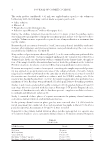
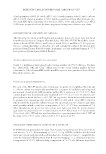
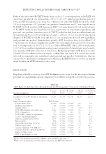
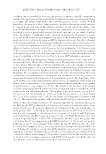
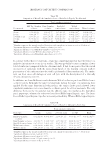
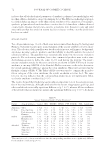
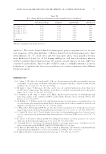
DETECTING MOLDS IN PERSONAL CARE PRODUCTS 43 Each of the inoculated R-TATP broth alone or the 1% test suspensions in R-TATP ali- quots were incubated at a temperature of 30.0°C ± 1.0°C. After an incubation period of 18 h, an ATP bioluminescence assay was conducted on each of R-TATP broth alone or the 1% test suspensions of 17 personal care product formulations and 15 raw ingredients in R-TATP. At 18 h, positive ATP detections (RLU 2) were observed for all tested aliquots of R-TATP broth by itself and the 1% test suspensions of tested raw ingredients and personal care product formulations in R-TATP broth that had been inoculated with the abovementioned selected bacterial species and C. albicans. For A. brasiliensis inoculated aliquots of R-TATP broth by itself and the 1% test suspensions of tested raw ingredients and personal care product formulations, positive ATP detections were detected for 15 of 17 personal care product formulations and 13 of 15 raw ingredients after 18 h of incuba- tion at a temperature of 30.0°C ± 1.0°C (see Tables III and IV). After 24 h of incubation, 100% of the tested raw ingredients and personal care product formulations were found to have positive ATP detections for A. brasiliensis. By having positive ATP detections after 18 and 24 h of incubation, the test results confi rm that low levels of A. brasiliensis can be detected in nonsterile raw ingredients and personal care product formulations that are susceptible to microbial contamination in which in R-TATP broth is used as an enrich- ment broth in an ATP bioluminescence assay. DISCUSSION Rapid microbial detection such as ATP bioluminescence assay for the has attracted many personal care and pharmaceutical companies for its ability to rapidly screen for the presence Table III RLU Ratios for Raw Ingredients Inoculated with Test Microorganisms Using an 18-h Incubation Period Test microorganism: S. aureus 6538 E. coli 8739 B. subtilis 6633 C. albicans 10231 A. brasiliensis 16404 Inoculum levels (CFU/100 ml of enrichment broth) 14–19 15–38 32–54 21–51 20–52 Name of raw ingredient RLU Ratios Sorbitan monooleate 5,000 5,000 5,000 63 7.8 Hydroxyethylcellulose 601 5,000 5,000 326 2.0 Sodium citrate 1.1 5,000 70 8.3 1.5a POP (2M) myristyl ether propionate 3,603 5,000 5,000 18 6.9 PPG-12-buteth-16 255 5,000 439 23 4.5 POE (20M) sorbitan monopalmitate 790 5,000 5,000 79 11 C12-15 alkyl ethyhexanoate 1,832 5,000 5,000 62 2.2 Flamenco sparkle green #820J 1,997 5,000 5,000 52 2.2 Boron nitride 808 5,000 5,000 68 5.4 Chroma-lite dark blue #CL4501 4,198 5,000 225 14 3.0 Timiron super silver 1,422 5,000 5,000 73 14 Cationic emulsion 35% APE free 5,000 5,000 5,000 35 1.7b Titanium dioxide coated grew-MP149 5,000 5,000 109 20 7.3 Diglyceryl diisosterate 5,000 5,000 5,000 40 5.7 PPG 20 methylglucose ether 5,000 5,000 54 26 4.6 a With a 24-h incubation period for sodium citrate, the RLU ratio was 2.5. b With a 24-h incubation period for cationic emulsion, the RLU ratio was 101.
Purchased for the exclusive use of nofirst nolast (unknown)
From: SCC Media Library & Resource Center (library.scconline.org)