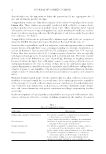
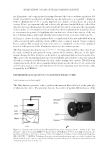
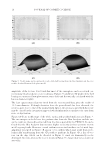
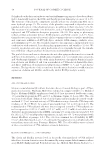
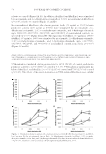
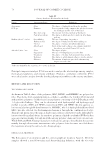
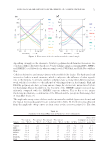
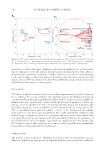
JOURNAL OF COSMETIC SCIENCE 40 GROWTH PROMOTION OF L-GLUTAMIC ACID IN R-TATP ENRICHMENT BROTH FOR DETECTING THE GROWTH OF ASPERGILLUS BRASILIENSIS By using R-TAT broth and the Celsis AKusScreen test kit, low levels (10–100 CFU/g/ 100 ml) of bacteria and yeast can be easily detected after using a 24 h incubation period by performing an ATP bioluminescence assay for most test samples. The detection of A. brasilinesis by using TAT broth varied with an RLU ratio of 2–5 which is comparable with that of Letheen broth which is recommended for use as an enrichment broth in an ATP bioluminescence assay by Charles River Laboratories, Inc. R-TAT broth containing L-glutamic acid concentrations of 1, 5, 10, 20, and 30 mM that had been inoculated with an A. brasiliensis inoculums of 20 and 38 CFUs that were incu- bated at a temperature of 30.0°C ± 1.0°C for 24 h and then evaluated for the presence of ATP by using an ATP bioluminescence assay. The RLU ratio results of these samples demonstrated a clear dose–response relationship between the various concentrations of L-glutamic acid and the amount of ATP detected from the growth of A. brasiliensis in this enrichment broth. In the absence of L-glutamic acid in the enrichment broth, the RLU ratio for R-TAT broth was around 4.2 and 13 with A. brasiliensis inoculums of 14 and 28 CFU. By including L-glutamic acid in the R-TAT broth, the amount of ATP was signifi cantly increased by having an RLU ratio of 40 and 106 with a 5 mM concentration, and there was a maximized RLU ratio of 100 and 140 when a 10 mM concentration of L-glutamic acid was used. By using 20 and 30 mM concentrations of L-glutamic acid in R-TAT broth, the RLU ratio started to decline (Figure 2). The test results indicated that the maximum enhancement for the production of ATP from the growth of mold is at a 10 mM concentration of L-glutamic acid. However, we chose to use a 5 mM concentra- tion of L-glutamic acid in R-TAT broth to minimize in having a possible adverse effect of a higher concentration of L-glutamic acid on the growth of other microorganisms that may be present in a test sample. Figure 1. Effect of various concentrations of L-glutamic acid in R-TATP broth on the RLU ratio from Aspergillus brasiliensis growth after 24 h of incubation.

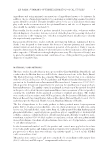
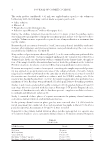
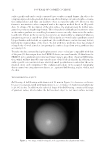
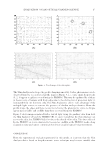
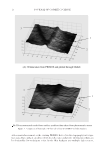
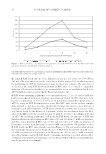
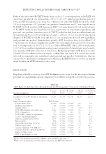
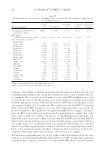
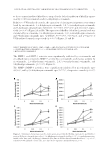
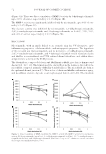
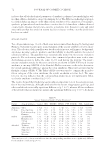
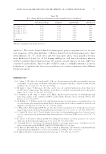
DETECTING MOLDS IN PERSONAL CARE PRODUCTS 41 POSITIVE MOLD DETECTION IN 18 HOURS BY USING AN ATP BIOLUMINESCENCE ASSAY A comparative study was performed that included the use of R-TAT broth, R-TATP broth (R-TAT broth with a 5 mM concentration of L-glutamic acid), and Letheen broth to evaluate the effi cacy of L-glutamic acid for detecting the presence of mold organisms by each of these enrichment broths. By using two different inoculum levels of A. brasiliensis ATCC 16404 for inoculating 100 ml aliquots each of the abovementioned enrichment broths, detection for the presence of microorganisms by using an ATP bioluminescence assay was conducted after 18 and 24 h of incubation at a temperature of 30.0°C ± 1.0°C. With a A. brasiliensis inoculum of 20 CFU and an incubation period of 18 h, the RLU ratios for R-TAT broth, R-TATP broth, and Letheen broth were found to be as follows: 2.1, 3.5, and 1.7 (Figure 3). By using an A. brasiliensis inoculum of 38 CFU, the RLU ratios for each of the abovemen- tioned enrichment broths were as follows: 2.5, 9.3, and 3.2 (Figure 3). By extending the time of the incubation period from 18–24 h, the RLU ratios had increased further with R-RATP broth showing the highest RLU ratio of 21 and 155 with an A. brasiliensis in- oculum of 20 and 38 CFU (data not shown). The effect of adding a 5 mM concentration of L-glutamic acid to R-TAT broth on the growth of another Aspergillus species, A. oryzae ATCC 10124, was also observed with RLU ratios of 6.4 at 18 h of incubation and 64 at 24 h of incubation (Table II). These test results indicated that the new enrichment broth of R-TATP broth with a 5 mM concentration of L-glutamic acid is able to promote the growth of mold, including A. brasiliensis and A. oryzae to a detectable level only after us- ing an 18 h incubation period at a temperature of 30.0°C ± 1.0°C by performing an ATP Figure 2. Eighteen-hour detection RLU ratios for Aspergillus brasiliensis ATCC 16404 growth in 100-ml aliquots of R-TAT broth, R-TATP broth, and Letheen broth.
Purchased for the exclusive use of nofirst nolast (unknown)
From: SCC Media Library & Resource Center (library.scconline.org)