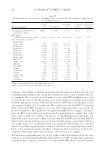
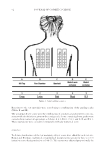
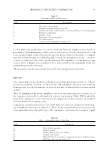
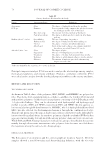
JOURNAL OF COSMETIC SCIENCE 6 to their last study visit. The volunteer was instructed to go to the Institute for a medical assessment in case he/she experiences any discomfort during the study period. After 28 d of use, the volunteers returned to the Institute for a new dermatological assess- ment to assess skin integrity and whether or not there had been the formation of ery- thema, edema, desquamation, vesiculation, or other clinical signs and/or symptoms at the site where the product had been applied. A tolerance of ±2 d was allowed for volunteers to return for their fi nal assessment. At the study end, the volunteer answered the Subjective Assessment (redness, itching, swelling, desquamation, small spots, small blisters, marks, and burning) to identify po- tential signs and/or symptoms seen during the study, according to his/her self-perception. RESULTS The studies provided robust data to assess the irritation and sensitization properties of the prototype lip balm. The demographics of the studies are described in Table III. Most subjects were female, with a broad distribution of enrollment for age range of 18–61 years targeted for inclu- sion in studies. Of the 99 subjects who enrolled in the three studies, 92 completed study obligations and provided data for the analyses. There were four subjects lost to follow-up, one subject in Study 1 (did not attend visit three onward and withdrew consent for personal reasons) and three subjects in Study 3 (did not attend the fi nal study visit or respond to efforts to contact them). Thus, these volunteers were discontinued from the studies and their data were not considered (Table IV). There were two subjects who discontinued due to protocol violations (Table IV), both subjects were withdrawn from the respective study for using an anti-infl ammatory drug during the study period. One subject in Study 1 was withdrawn from the study when she presented with erythematous papular lesions in the posterior chest area (eczema) on day 3 (Table IV). According to the medical evaluation, the lesion was classifi ed as moderate and the diagnostic hypothesis as contact eczema probably related to the glue from the adhesive tape (Micropore®). The subject discontinued the use of the test product patch without any new challenge. Treatment with Diprogenta (betamethasone dipropionate 0.64 mg + betamethasone 0.5 mg + gentamicin 1 mg) was administered twice daily for 5 d the subject was subsequently evaluated in 7 d and the Diprogenta treatment was discontinued as the adverse event had resolved with no sequelae. Table III Demographic Data for Subjects that Completed Studies 1–3 Study 1 Study 2 Study 3 Subjects completed 52 30 30 Male 5 3 4 Female 47 27 26 Age range (year) 18–60 21–60 23–60 Median age (year) 39 37 47.5

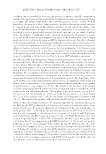
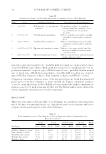
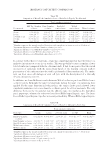
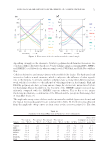
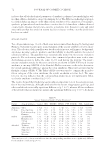
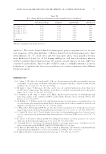
LIP BALM: SUMMARY OF THREE DERMATOLOGICAL STUDIES 7 In addition to the subject who withdrew from Study 1 due to the presentation of moder- ate eczema, there was one additional clinical sign of skin discomfort reported in Study 1 as shown in Table V. The mild skin irritation reported in this subject was thought to be infl uenced by the weather conditions during the study period and did not impact the data generated during the study observation period. Patches were reapplied at the next visit and the subject did not experience any further discomfort or irritation. There were no reports by any subjects of skin discomfort during the conduct of Studies 2 and 3. Under the conditions of assessment, Study 1 showed that the prototype lip balm had no primary dermal irritation potential, cumulative dermal irritation potential, or dermal sensitization potential. No photoirritation potential or photosensitization potential was observed in any of the 30 volunteers who completed Study 2. Of the 30 volunteers who completed Study 3, none experienced any adverse skin reaction under close dermatological monitoring. In addition, the analyses of Diary of Use entries provided at the end of the study period by the subjects indicated no reports of discomfort on the lips during the 28 d of product use. The product did not cause irritation or sensi- tization reactions and can be considered suitable for use in people with sensitive skin. DISCUSSION In the two cases of contact eczema observed in Study 1, the fi rst case was medically evalu- ated and classifi ed as moderate with the diagnostic hypothesis as contact eczema probably Table IV Number of Adverse Events and Discontinuation Data for Subjects in Studies 1–3 Study 1 Study 2 Study 3 Subjects enrolled 55 31 33 Subjects completed 52 30 30 Number of adverse events 2 0 0 Reasons for discontinuation Lost to follow-up 1 0 3 Protocol violation 1 1 0 Adverse event 1 0 0 Table V Clinical Signs of Skin Discomfort in Study 1 Subject Event Severity Relation to test product Subject discontinued from study 08 Contact Eczema Moderate Unlikely related (investigator deemed event likely due to glue from the adhesive tape/Micropore patch) Yes 42 Contact Eczema Mild Not related (investigator deemed event likely due to glue from the adhesive tape/Micropore patch) No
Purchased for the exclusive use of nofirst nolast (unknown)
From: SCC Media Library & Resource Center (library.scconline.org)