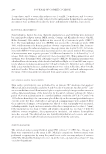
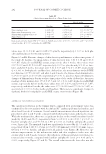
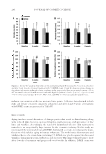
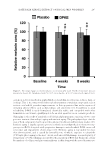
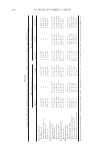
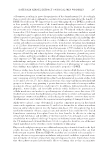
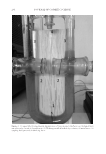
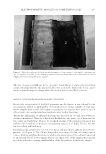
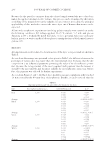
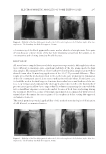
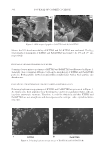
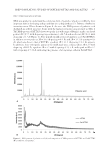
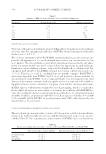
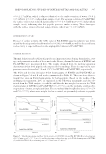
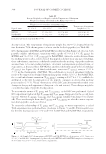
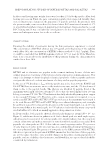
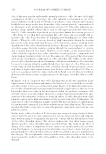
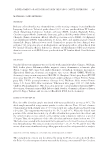
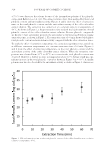
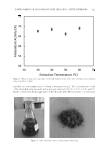
JOURNAL OF COSMETIC SCIENCE 322 The color of the skin gel became darker when more extract powder was added to the gel. The gel viscosity ranges between 98,300 and 109,500 cps, with pH ranges between 6.5 and 7.0. Figure 7 shows the total p henolic content of the skin gels with various extract concen- trations. As can be seen, the total phenolic content in the skin gel increased by adding more coffee silverskin extract to the skin gel. The addition of the extract of more than 1% is still possible to obtain a skin gel with higher total phenolic content, but because the color of the skin gel will become darker, the color acceptance by the users should be considered. To study the effect of the add ition of the coffee silverskin extract on the antioxidant activ- ity of the skin gel, an analysis using DPPH free radical scavenging assay was conducted. It was observed that the basic skin gel that contains no coffee silverskin extract exhibited a DPPH inhibition percentage of only 3% because of the oxidation of the bulk skin gel by the DPPH. Interestingly, the skin gel containing 0.125% coffee silverskin extract exhibited a DPPH inhibition percentage of 26.3%, indicating that the coffee silverskin extract was effective as a source of antioxidants in the skin gel. Further, Figure 8 shows the effect of the addition of the coffee silverskin extract on the antioxidant activity Figure 6. Physical appearance of skin gels containing coffee silverskin extract at different concentrations (left to right: F1: 0.125%, F2: 0.25%, F3: 0.5%, F4: 1%). Table II Total Phenolic Content and Antioxidant Activity of Coffee Silverskin Extract before and after Drying Coffee silverskin extract solution (before drying) Coffee silverskin extract powder (after drying) Total phenolic content (mg GAE/g solid extract) 210.87 188.83 IC50 (ppm) 358.15 433.64

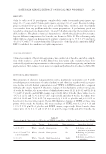
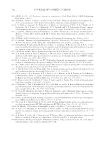
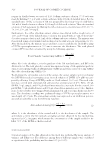
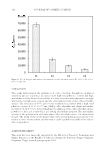
DEVELOPMENT OF ANTIOXIDANT SKIN GEL USING COFFEE SILVERSKIN 323 expressed by the IC50 value of the skin gel. The IC50 value indicates the concentration of the antioxidant, which is necessary to inhibit 50% of the DPPH as the free radical. The IC50 is given in ppm, which means milligram skin gel per liter solution. As can be seen in Figure 8, the addition of more coffee silverskin extract reduced the IC50 value, which means it resulted in a skin gel with a higher antioxidant activity. The increase in the antioxidant activity of the skin gel is correlated with the increase in the total phenolic content of the skin gel due to the addition of the coffee silverskin extract. The statistical analysis showed that there is a signifi cant difference of IC50 with the variation of the extract concentration (p 0.05). This result indicates that the coffee silverskin extract has great potential to be used as an additive for skin gels to obtain antioxidant-rich skin gel products. The pH value of a topical preparation should be within the skin pH range between 4.0 and 7.0 (20). The value of the pH should not be too acidic as it causes skin irritation and should not be too alkaline as it may cause scaly skin. The skin gels containing coffee sil- verskin extract showed pH values of 7.0, 6.63, 6.50, and 6.50, for the extract concentrations of 0.125%, 0.25%, 0.5%, and 1%, respectively. The addition of more coffee silverskin extract into the skin gel resulted in a slight decrease in the pH value. This is reasonable because the phenolic compounds of the coffee silverskin extract are mostly chlorogenic acids, which lead to an acidic condition of the gels. However, the pH values of the skin gels are all still within the pH range for topical preparations. Figure 7. Total phenolic content of skin gels with various concentrations of coffee silverskin extract (F1: 0.125%, F2: 0.25%, F3: 0.5%, F4: 1%).
Purchased for the exclusive use of nofirst nolast (unknown)
From: SCC Media Library & Resource Center (library.scconline.org)