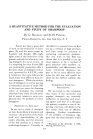
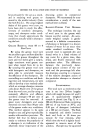
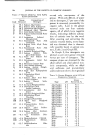
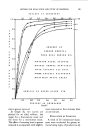
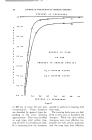
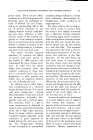
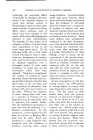
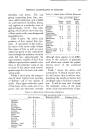
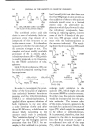
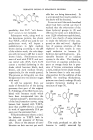
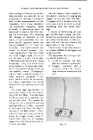
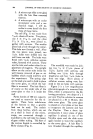
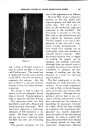
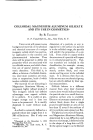
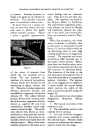
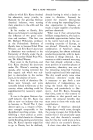
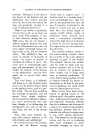
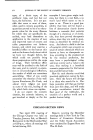
METHOD FOR EVALUATION AND STUDY OF SHAMPOOS 225 •XO0• 9O R C 80 T 70 o 60 A 50 R 0 40• ¾ L •0 2O PERCENT 0F D E T 1•- R O 1•- I( T 0,• 0.3 0.4 0.5 0.6 PERCENT OF GREASE REMOVAL FROM WOOL SKEINS BY., A:SODIUM ALKYL SULFAT• B:ALKYL PHENOL NON-IONIC C•POTo COCONUT OIL SOAP D•T.EoAo A RAL KYL S UL F0 NA TE E:PROTEIN FATTY AMID• REKOVAL BY WATER ALONE rise in grease removal. In Graph II, two curves are plotted for an alkyl sulfate the upper for a four-minute scour and the lower for a one-minute scour. The effect of scouring time in grease removal is as expected, with slightly c 9 5 9O 0,3 0,4 0,5 0,$ 0,? I•E R C •'-N T OF DE TE R G EN T Graph I more removed at four minutes than at one minute. EVALUATION OF SHAMPOOS A total of 23 commercial sham- poos were evaluated for grease re- moval using 1 gm. of product (as is)

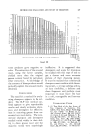
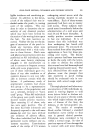
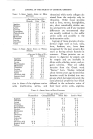
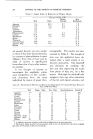
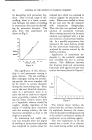
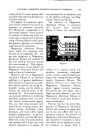
226 JOURNAL OF THE SOCIETY OF COSMETIC CHEMISTS PERCENT OF DETEROENT 90 -- 80 -- 70 -- 60---- 50-- 40 -- 30 EFFECT OF TIME ON THE PERCENT OF GREASE REMOVAL MINUTE SCOUR B- I MINUTE SCOUR 2O in 200 ml. of water (0.5 per cent concentration). These shampoos are classified by general types de- pending on the active cleansing agent present. They were classified as soap type, alkyl sulfate type, and all others as miscellaneous type. It is surprising how the shampoos -- 0,1 0,2 0,3 0,4 0,S 0,6 0.7 PERCENT 0 IP DETERGENT Graph II seemed to perform in keeping with their type. The scouring baths were not buf- fered so they took on the pH of the shampoo. While the alkyl sulfate shampoos were most effective (es- pecially the tube and jar products) and the soap type least effective,
Purchased for the exclusive use of nofirst nolast (unknown)
From: SCC Media Library & Resource Center (library.scconline.org)