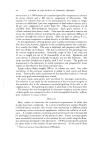
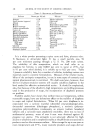
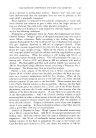
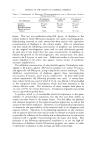
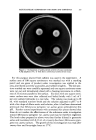
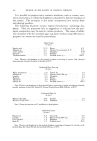
360 JOURNAL OF THE SOCIETY OF COSMETIC CHEMISTS It is possible to prepare many cosmetic emulsions, such as creams, oint- ments and lotions, in which the diaphene is dissolved in the hot oil phase of the system. The antiseptic is also easily incorporated into various body and dusting powders. The following illustrate various topical formulations containing dia- phene. They are presented only as suggestions to indicate how the anti- septic composition may be used in various products. The zones of inhibi- tion obtained with the standard agar cup-plate method using Micrococcus pyogenes vat. aureus are noted in parentheses. Hand Cream (7 mm.) Stearic acid ................... 11.75 Mineral oil ..................... 2.0 Cetyl alcohol ................. 0.6 Glycerol ....................... 6.0 Triethanolamine ................. 1. $ Borax .......................... 0.9 Glyceryl monostearate S. E ....... 2.0 Diaphene ....................... 0.05 Perfume ........................ q.s. Purified water q. s .............. 100.0 Note: Dissolve the diaphene in the melted oil phase consisting of stearic acid, glyceryl monostearate, mineral oil and cetyl alcohol at 80øC. Medicated Hair Dressing (8 ram.) White petrolatum ............... 6.0 Mineral oil ................... 37.5 Lanolin ....................... 3.0 Beeswax ....................... 8.0 Arlacel 83 ...................... 3.0 Arlacel 20 ....................... 1.0 Tween 20 ....................... 2.0 Silicone fluid 1000 csp ............. 1.0 Diaphene ........................ 0.2 Borax ......................... 0. $ Perfume ........................ q.s. Purified water q. s ............... 100.0 Note: Dissolve the diaphene in the melted oil phase consisting of white petrolatum, mineral, lanolin, beeswax, Arlace183, Arlace120, Tween 20 and silicone fluid 1000 cps. at 80øC. Medicated Baby Oil (4 mm.) Mineral Oil, light .................. 64.8 Lanolin ........................ 5.0 Myvacet Type 9-40 ............... 30.0 Diaphene ......................... 0.2 Note: Warm the mixture to 65 ø and dissolve the diaphene. Medicated Lotion (6 mm.) Mineral oil .................... 35.0 Lanolin ..................... 1.0 Cetyl alcohol ................. 1.0 Span 80 ..................... 2.1 Tween 80 ....................... 4.9 Silicone Fluid 1000 cps ............ 5.0 Diaphene ......................... 0.2 Purified water ..................... 49.8 Note: Dissolve the diaphene in the melted oil phase consisting of mineral oil, lanolin, cetyl alcohol, Span 80, Tween 80 and silicone fluid 1000 cps. at 80øC.

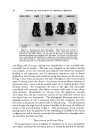
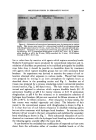
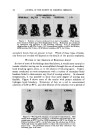
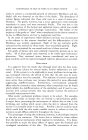
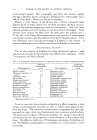
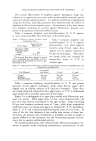
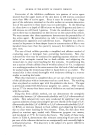
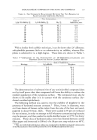
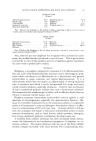
SALICYLANILIDE COMPOSITION FOR SOAPS AND COSMETICS 361 Deodorant Cream (8 mm.) Glyceryl monostearate ............ 10.0 Propylene glycol ............. 12.0 Stearic acid ...................... 4.0 Diaphene ................... 0.1 Cetyl alcohol .................. 2.0 Perfume ................. q.s. Isopropyl myristate ............... 4.0 Purified water q. s ............ 100.0 Potassium hydroxide ............. 1.0 Note: Dissolve the diaphene in the melted oil phase consisting of glyceryl •x ohostearate stearic acid, cetyl alcohol and isopropyl myristate at 80øC. Diaper Cream (6 mm.) Glyceryl monostearate .......... 12.0 Perfume .................... ct. s. Spermaceti .................... 6.0 Diaphene ................... 0.1 Oleyl alcohol ................... 2.0 Purified water q. s ............. 100.0 Glycerol ........................ 12.5 Note: Dissolve the diaphene in the oil phase consisting of glyceryl monostearate, sper- maceti and oleyl alcohol at 80øC. Also, when 0.1 per cent diaphene was levigated with a commercial tooth- paste, the modified product produced a zone of 6 mm. This is particularly noteworthy in view of the excellent activity of diaphene against Lactobacil- lus casei noted in pooled saliva studies. SUMMARY Diaphene, a synergistic composition composed of 5,4'-dibromosalicylani- lide and 3,5,4'-tribromosalicylanilide, possesses many advantageous prop- erties which contribute to its effectiveness as a bacteriostat and general antimicrobial in soaps, cosmetics and topical pharmaceuticals. It is a white powder which does not impart an objectionable or strong medicinal odor to products and which is easily incorporated into soaps and many varied cosmetic products, especially emulsions. Toxicity tests and history of use in commercial products indicate that such a brominated salicylani- lide composition has a high margin of safety, and, at effective levels, does not irritate or sensitize normal human skin. Diaphene possesses outstanding antimicrobial activity against a wide spectrum of micro6rganisms, especially the gram-positive bacteria. Be- cause of its excellent substantivity on the cutaneous surface, it is especially useful as a bacteriostat in soap and detergent formulations where it is effec- tive at a concentration of 0.3 to 0.5 per cent. At levels of 0.01 to 0.2 per cent, the antiseptic will impart a functional antimicrobial action to many cosmetic formulations, such as hand lotions, talcum powders, shampoos, face creams, deodorant products, toothpastes, shaving creams, etc. A modified fresh calfskin technique has been developed which demon- strates the substantivity and antibacterial properties of diaphene on cu- taneous surfaces. The results obtained with the use of the fresh calfskin method compare favorably with those derived from hand-washing tests.
Purchased for the exclusive use of nofirst nolast (unknown)
From: SCC Media Library & Resource Center (library.scconline.org)