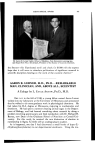
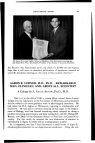
370 JOURNAL OF THE SOCIETY OF COSMETIC CHEMISTS . gland extracts lighten the skin color of frogs. The compound was identL fled by Lerner (8) as N-acetyl-5-methoxytryptamine, and a synthesis was described. The demonstration of melatonin in human peripheral nerves by Lerner (9) and co-workers may be the basis for future work in the field of nerve transmission and pathogenesis of vitiligo. Recently, Lerner (10) summarized the essential experimental findings concerning MSH and melatonin activity: MSH and ACTH (as well as caffeine) cause dispersion •fpigment granules in frog melanocytes (darkening). The action is reversed, i.e., the pigment granules clump together (lightening), by melatonin, hydrocortisone, adrenaline, etc. MSH has no effect on the tyrosine-tyrosinase system in vitro. However, in vivo, or at least in the intact melanocyte, MSH effects increased melanin formation by dispersing tyrosinase. Conversely, melatonin, by aggregating tyrosinase containing particles, reduces synthesis of melanin. Based on this information, Lerner proposed an important novel working hypothesis concerning the initial action of hormones. Some of his com- ments are quoted here: "...I wish to show that the melanin pigment forming cell, the melanocyte, must be intact if hormones are to affect the rate of melanin synthesis. Initially, hormones do not affect the tyrosinase-catalysed conversion of tyrosine to melanin. Instead they produce a change in the location of enzymically active particles which is followed by a change in the rate of enzymic reactions forming melanin .... The activity of the enzyme could well be related to its location within the cell. As suggested earlier, the direct reaction between a hormone and the melanocyte may involve only a relatively specific reaction between hormone, cytoplasmic structural proteins, ions and water to change the colloidal state of parts of the cell. This change in colloidal state eventually would affect the tyrosinase reaction." As in previous years, the Special Award Committee carefully reviewed the contributions of several worthy nominees for the 1959 Award. Dr. Lerner's work in the field of melanin has been most fruitful, and the influence of his scientific contributions will be noted in years to come. The Com- mittee was pleased to select Dr. Lerner as the recipient of the 1959 Special Award. SELECTED BIBLIOGRAPHY REFERENCES (1) Lerner, A. B., and Fitzpatrick, T. B. Physiol. Rev., 30, 91 (1950). (2) Lerner, A. B., et al., Federation Proc., 7, 167 (1948) c.fi 5 t. Biol. Chem., 178, 185 (1949). (3) Lerner, A. B., et al., y. Clin. Endocrinol. and Metabolism, 14, 1463 (1954). (4) Lerner, A. B., and Lee, T. H., •. Alto. Chem. Soc., 77, 1066 (1955). (5) Lee, T. H., and Lerner, A. B., •. Biol. Chem., 221,943 (1956). (6) Harris, J. I., and Lerner, A. B., Nature, 179, 1346 (1957). (7) Lerner, A. B., et al., 7. Alto. Chem. Soc., 80, 2587 (1958). (8) Lerner, A. B., etal.,Ibid., 81, 6084 (1959). (9) Lerner, A. B., et al., Nature, 183, 1821 (1957).

SIXTH SPECIAL AWARD 371 (10) Lerner, A. B., •rbid., 184, 674 (1959). (11) Hofmann, K., et al., )'. Am. Chem. Soc., 80, 1486 (1958) Schwyzer, R., and Schwyzer, C. H., Nature, 182, 1669 (1958) Hofmann, K., )'. Am. Chem. Soc., 79, 6087 (1957). ADDITIONAL BIBLIOGRAPHY Sulzberger, M. B., and Lerner, A. B., "Suntanning--Potentiation with Oral Medication," •. Am. Med. Assoc., 167, 2077 (1958). Harris, J. I., and Lerner, A. B., "Amino Acid Sequence of the a-Melanocyte-Stimulating Hormone," Nature, 179, 1346 (1957). l.erner, A. B., and Lerner, M. R., "Congenital and Hereditary Disturbances of Pigmentation," 3Iod. Probl. Paediat., 3, 308 (1957). Shizume, K., and Lerner, A. B., "Determination of Melanocyte-Stimulating Hormone in Urine and Blood," •. Clin Endocrinol. an Metabolism, 14, 1491 (1954). Lerner, A. B., "Mechanism of Hormone Action," Nature, 184, 674 (1959). l,erner, A. B., and Case, J. D., "Structure of Melatonin," •. Am. Chem. Soc., 22, 6084 (1959). CHICAGO CHAPTER NEWS The annual Ladies' Night was held on June 14th. Norma Lee Browning of the Chicago Tribune, winner of an A. S. Beck Award for her series of articles exposing quack doctors, spoke on "So Who Wants to Grow Old." Miss Browning has recently published a series of articles on this in the Chicago Tribune. All meetings are held at Henrici's Restaurant in the Merchandise Mart, Chicago. NEW ENGLAND CHAPTER MEMB• P.S OF THE New England Chapter of the Society of Cosmetic Chemists met Thursday, April 28, and heard a discussion on "Applications of Ultrasonic Energy to Dispersion Systems" presented by two speakers fi'om the Connecticut School of Pharmacy. Professor Donald M. Skauen and Assistant Professor Harold M. Beal addressed the group at the evening meeting held at Armand's Beacon Terrace in Framingham. During the Business portion of this, the group's third meeting, new By- Laws were submitted, voted upon and adopted. May 27 was the date set for the Chapter's next get-together. The Pro- gram Committee planned a Ladies' Night at the Maridor in Framingham.
Purchased for the exclusive use of nofirst nolast (unknown)
From: SCC Media Library & Resource Center (library.scconline.org)