COMPATIBILITY STUDIES OF ALUMINUM 313 interaction between ethyl alcohol and fluorocarbon 11 has been studied (12), and the identified products seem to indicate a free radical mechanism for the reaction under ambient or slightly above ambient temperature conditions. Several studies have been reported with aluminum aerosol cans. One study included 31 combinations of chemicals packed in uncoated aluminum cans (13). Among the combinations were ethyl or isopropyl alcohol combined with fluorocarbon 12 and various levels of water. Pitting and perforation of the aluminum was common in the presence of ethyl alcohol combinations. The isopropyl alcohol containing mixtures showed signif- icantly less tendency to cause pitting. In another study (14) tests were conducted with ethyl alcohol and fluorocarbons 11 or 114 with the result that there was significantly more pitting and perforations where fluoro- carbon 11 was used. The effect of variable moisture content was studied in these same tests and it was concluded that there did not appear to be any water concentration that satisfactorily reduced the corrosion to a safe level. SCOPE OF INVESTIGATION While it had been previously recognized in unpublished data that some unusual reactions can occur between certain aluminum alloys and mixtures of carbon tetrachloride and methyl alcohol, no systematic study had been made involving other alcohols and other halogenated hydrocarbons. Because aerosol solutions often include halogenated hydrocarbons (i.e., fiuorinated-chlorinated propellants) and ethyl alcohol, compatibility studies were pertinent. Initial studies were concerned with the exposure of aluminum sheet specimens to the individual effects of the commonly employed propellant fiuorocarbons 11 and 12 with and without various additions of water. Similarly, it was necessary to establish the separate effect of ethyl alcohol in various concentrations in water. For this study it was assumed that 95% ethyl alcohol would be most conveniently employed and would be the minimum water content ethyl alcohol solution. A number of combinations of propellant, alcohol and water in contact with aluminum must then be studied to evaluate properly their interactions. If any corrosion occurred, then it was proposed to study the retardation effect of certain inorganic and organic chemical additives. In order that conclusions of practical significance could be drawn, it was believed that exposure times of up to three years should be included. Other alcohols were also substituted for ethyl alcohol in the basic aerosol mixtures of propellant and alcohol to determine if there was any pattern of similar behavior among the different alcohols.

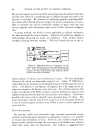
314 JOURNAL OF THE SOCIETY OF COSMETIC CHEMISTS EXPERIMENTAL PROCEDURE The procedure employed in these tests was based on earlier inves- tigations into the compatibility of aluminum with fluorocarbons. Heavy walled Pyrex glass ampules were formed by closing one end of an 18-in. length of tubing which could accommodate a 0.25 X 1 X 0.064 in. alumi- num specimen. Alloy 1100-H14 was used in most of the tests because this alloy has been considered a good compromise of strength, corrosion resistance and cost for aerosol containers. A few tests were conducted with 5052-H34 alloy, which is a representative higher strength alloy. One specimen was slipped into the bottom of the ampule and a con- striction was placed in the ampule sidewall several inches above the specimen. This constriction allowed free flow of liquid and vapor between the two parts of the ampule but would not permit passage of the aluminum specimen. SufFicient solution was then measured into the ampule to establish the liquid-vapor interface slightly below the glass constriction. A second specimen was inserted in the area above the constriction which would subsequently be exposed to the vapor phase of the solution Where a low boiling fluorinated hydrocarbon was employed, it was necessary to cool the ampule and its contents with dry ice in order to add the solution and seal the ampule. The open end of the ampule was now sealed by melting. The ampules and their contents were then exposed to ambient tem- perature laboratory conditions in order to minimize any significant contri- bution of hydrolytic effects or temperature degradation. Periodic ob- servations were made and the presence or absence of corrosion effects was readily identifiable. When significant corrosion was apparent, the ampules were broken and the weight losses of the specimens determined. Where no corrosion was evident, the tests were often continued for periods up to three years before the tests were terminated and final weight changes were measured. INTERPRETATION OF RESULTS It is necessary to consider the design and construction of an aerosol container to interpret these experimental results properly. There are three main areas of concern in projecting the service life of an aerosol container. They are: 1. An adequate metal thickness to hold the internal pressure exerted by the propellant and solution. 2. Maintenance of intact seals at all can joints. 3. Maintenance of controlled valve release of the can contents for a reasonable service life.
Purchased for the exclusive use of nofirst nolast (unknown)
From: SCC Media Library & Resource Center (library.scconline.org)