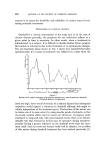
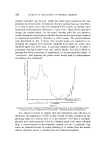
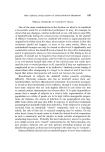
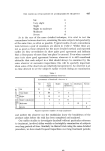
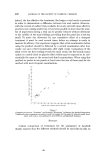
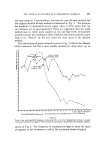
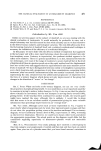
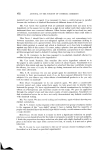
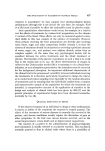
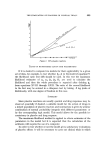
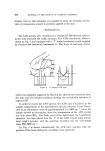
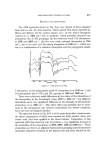
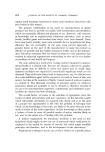
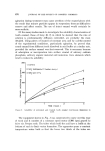
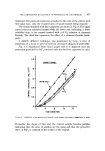
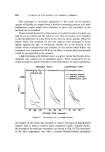
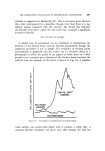
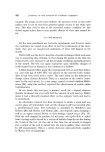
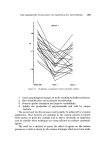
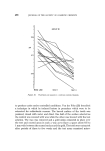
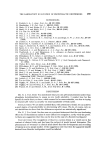
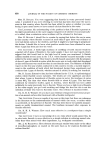
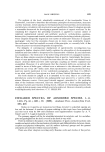
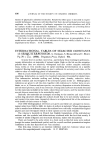
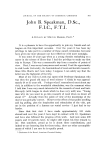
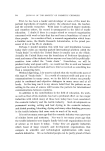
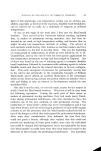
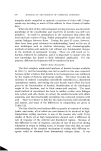
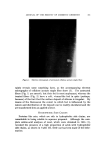
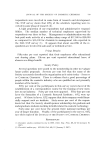
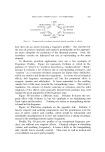
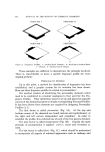
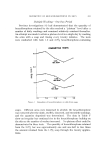
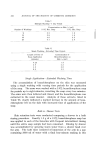
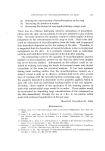
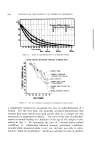
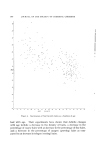
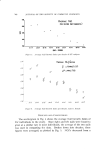
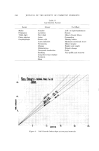
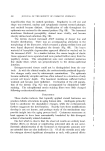
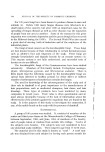
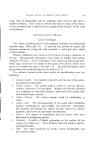
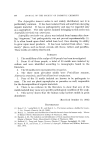
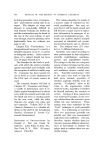
538 JOURNAL OF THE SOCIETY OF COSMETIC CHEMISTS S •0 IO Figure 1. Index of epithelialization as a function of age O: 0 Figure 2. Per cent physical capacities remaining at various ages a planimetric method for measuring the rate of epithelialization of a wound. For the first time, the generally accepted phenomenon that wounds heal more slowly in an aged person than in a younger one was measured in a quantitative fashion. The curve of the rate of epitheliali- zation in wound-healing as a function of the age of the subject is pre- sented in Fig. l. By measuring the area of a wound under normal conditions, i.e., eliminating infected wounds, pathologic conditions, wounds which measured under 5 cm s, etc., duNouy was able to calcu- late the "index of cicatrization" (which was actually the rate of epitheli-

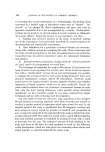
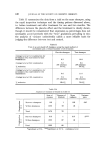
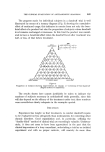
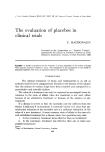
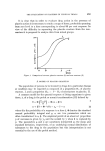
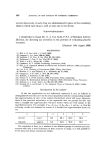
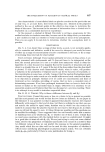
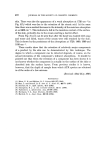
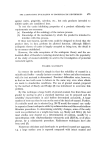
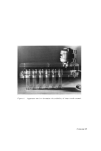
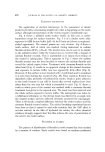
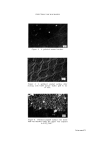
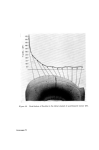
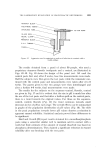
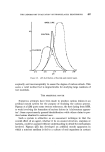
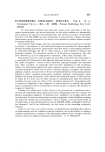
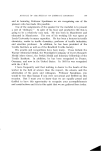
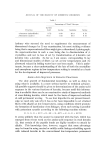
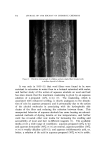
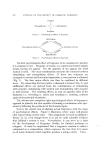
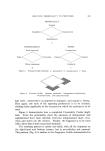
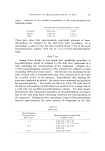
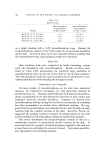
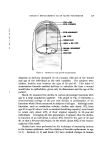
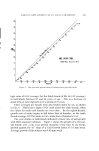
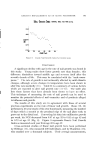
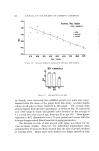
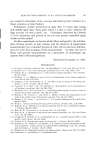
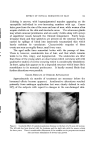
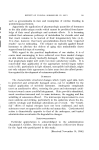
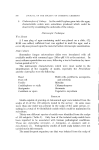
KERATIN REPLACEMENT AS AN AGING PARAMETER 339 Figure 3. Method for nail growth measurement alization as duNouy measured it) of a wound, with size of the wound and age of the individual as the only variables. The subjects were soldiers, healthy men between the ages of 20 and 40. This index of ½icatrization formula enabled duNouy to calculate the time a wound would take to epithelialize, given only its dimensions and the age of the patient. Shock (2) measured the decline in various physiologic functions with age in a large population segment. The graph in Fig. 2 represents a cross-sectional average of the per cent decline in performance of six functions which Shock measured in subjects of all ages. Although some functions, such as conduction velocity, decline only about 15% from age 30 to age 90 others (such as maximal breathing capacity) were found to retain only about 40% of their original capacity in 90-year-old individuals. Averaging all nine parameters, it appears that the decline in function of an individual is about 40% between the ages of 30 and 90, or that a 90-year-old retains, on the whole, about 60% of the reserve capacity of his youth. Studies have been performed on the technique of measuring mitosis in the human epidermis, and the relation of keratin replacement to age (3-7). Barman (8, 9) and Rook (10) have studied changes in human
Purchased for the exclusive use of nofirst nolast (unknown)
From: SCC Media Library & Resource Center (library.scconline.org)