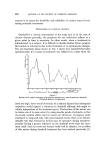
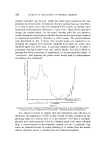
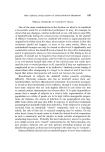
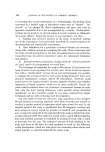
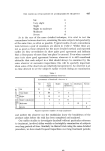
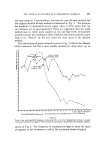
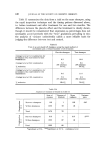
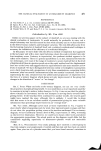
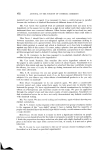
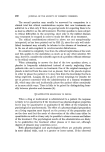
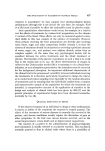
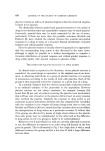
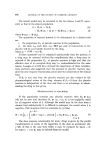
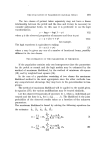
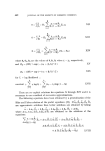
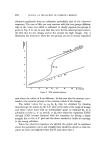
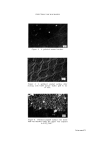
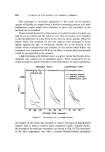
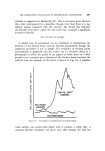
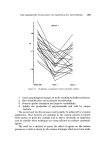
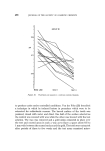
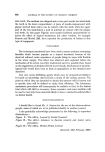
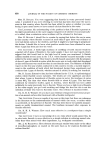
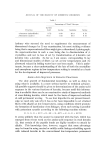
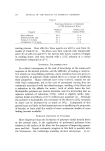
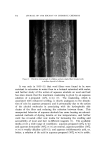
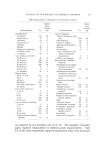
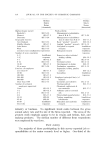
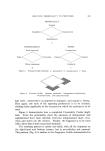
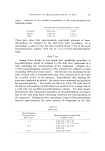
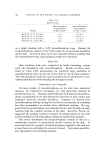
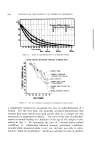
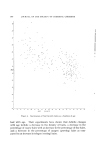
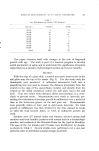
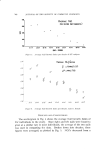
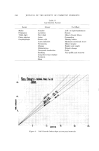
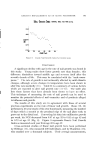
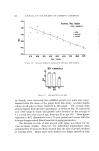
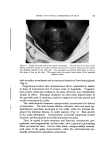
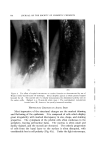
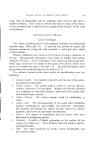
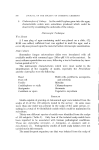
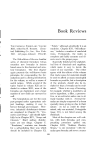
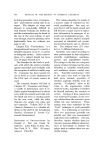
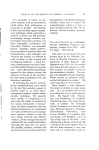
542 t.o o,'• JOURNAL OF THE SOCIETY OF COSMETIC CHEMISTS I•a BECBBE •57 •BdECT..R ) aGE - )'Earls Figure 5. Average Nail Growth Index per decade of 257 subjects Figure 6'. Average Nail Growth Index per decade, male rs. female RESULTS AND CONCLUSIONS The scattergram in Fig. 4 shows the average Nail Growth Index of 257 individuals in the study. Since right and left nails were found to grow at a similar rate in most individuals, the average of the two nails was used in computing the data. Broken down into decades, these figures were averaged, as plotted in Fig. 5. NGI's decreased from a

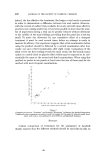
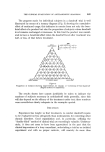
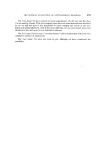
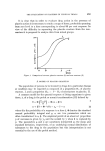
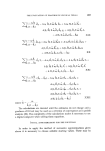
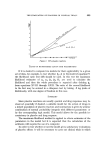
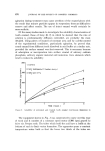
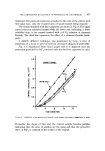
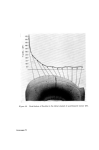
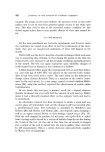
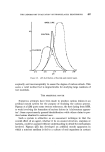
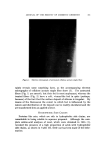
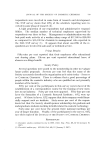
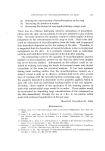
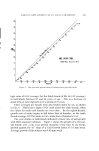
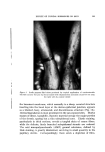
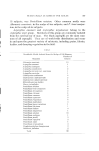
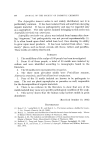
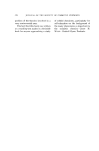
KERATIN REPLACEMENT AS AN AGING PARAMETER 543 35. Figure 7. One year nail growth curve of twenty-three-year-old female high value of 0.83 (average) for the third decade of life to 0.52 (average) in individuals between 90 and 99 years of age. This is a decrease of about 38% in rate of growth over a period of 70 years. These averages per decade were also broken down by sex, as shown in Fig. O. Males had a higher NGI until about the sixth decade, when the values for males and females are very close. By the eighth decade, growth rate of males begins to fall below that of females in the tenth decade average NGI for males is 0.45, while that of females is 0.54. One year studies of individuals indicated a linear rate of nail growth with little seasonal variation. Figure 7 shows the growth of a 23-year- old female over a one year period, measures every four to six weeks, plotted against the 45 ø slope of a Nail Growth Index of 1.0 ram/week. Average growth of this subject was 0.95 ram/week.
Purchased for the exclusive use of nofirst nolast (unknown)
From: SCC Media Library & Resource Center (library.scconline.org)