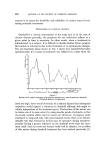
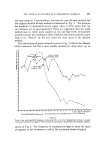
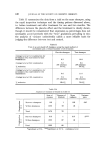
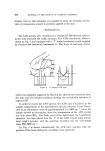
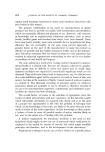
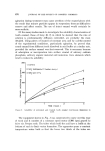
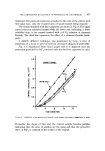
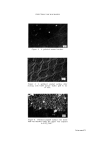
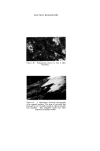
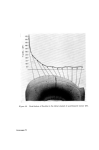
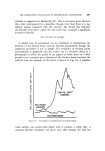
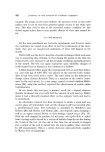
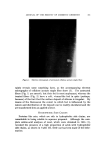
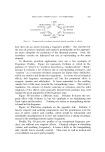
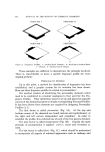
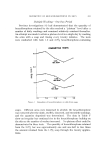
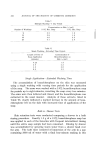
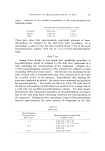
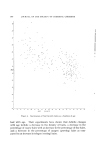
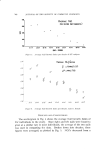
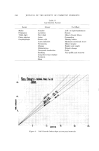
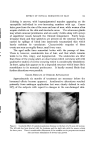
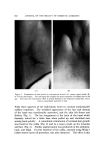
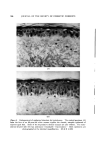
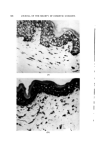
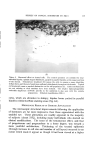
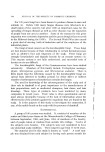
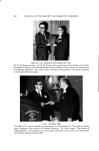
552 JOURNAL OF THE SOCIAT¾ OF COSMETIC CHEMISTS . - .:•"•.'. .,• •,•.. :' (A) (B) Figure 2. Comparison of hair growth in testosterone treated (A) versus control axilla (B) of 77-year-old woman. The untreated site typifies the great regression of axillary hair in old age. Note that the testosterone effect is strictly limited to the hormone treated side, where there is remarkable regrowth of hair Fully three quarters of the individuals, however, showed unmistakable axillary responses. The wrinkled appearance of the face and dorsum of the hand was considerably smoothed, and the skin felt firmer and thicker (Fig. 1). The lax integument of the back of the hand which formerly tented for a finite time when pulled up and stretched now sprang back quickly. A remarkable stimulation of terminal hair growth was found in the axilla (Fig. 2) and to a lesser extent on the forearms and face (Fig. 3). Similar augmentation was produced on the abdomen, back, and thigh. Eccrine function of the axilla, assessed using Wada's iodine-starch-castor oil procedure, was also enhanced. This effect is due

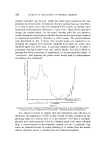
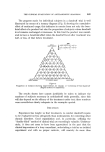
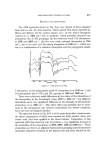
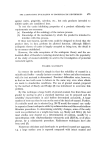
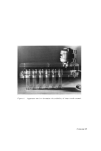
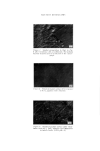
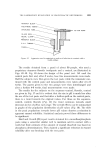
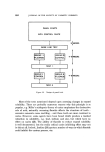
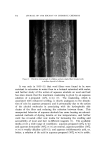
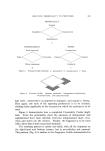
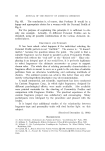
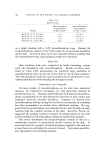
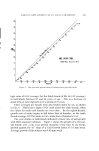
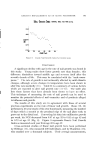
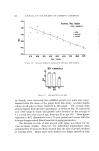
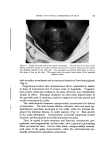
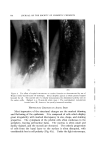
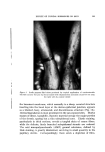
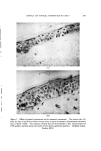
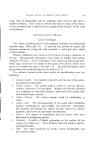
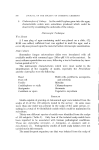
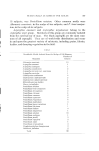
EFFECT OF TOPICAL HORMONES ON SKIN 553 Figure 3. Unilateral beard growth by topical testosterone. The left side of the face of this IM-year-old white woman was treated with the hormone for 1•/• years, while its eream vehicle was similarly applied to the right side. The mustaehe was present beforehand, as were a few wisps of hair on the chin. This again shows the purely local action of the topically applied steroid both to earlier recruitment and an increased density of functioning glands (Fig. 4). Progesterone-treated sites demonstrated effects qualitatively similar to those of testosterone but of a lower order of magnitude. Pregneno- lone acetate, while also working in the same direction, was considerably weaker in effect. Estrogens produced no observable improvement in the aged skin and, if anything, tended to suppress both hair growth and eccrine sweating in the axilla. The corticosteroid hormones unequivocally accentuated the defects of senescence. The skin became thinner, atrophic, and even more lax. Spontaneous petechiae developed in the axilla, while the forearm dis- played the identical likeness to senile purpura (Fig. 5). Hair growth in the axilla diminished. Triamcinolone acetonide suppressed eccrine function, and fluocinolone acetonide stimulated sweating. Thus, in regard to gross structure and function, testosterone, pro- gesterone, and pregnenolone, in that order, have a general rejuvenating effect on senescent skin. On the other hand, estrogen mildly accentu- ated some of the aging characteristics, while the corticosteroids pro- foundly increased the degradative alterations.
Purchased for the exclusive use of nofirst nolast (unknown)
From: SCC Media Library & Resource Center (library.scconline.org)