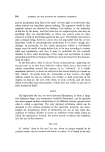
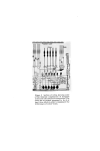
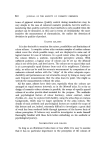
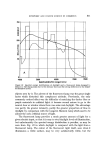
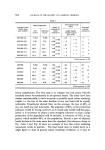
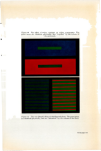
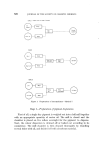
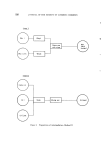
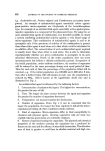
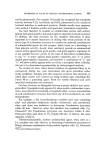
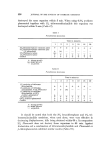
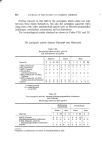
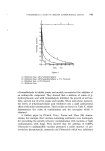
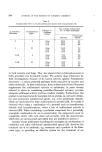
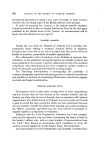
J. Soc. Cosmetic Chemists 19 59.1-530 {1968) ¸ 1968 Society of Cosmetic Chemists of Great Brttain Modern lipstick base manufacture P. D. W. DALEY* Presented at the Symposium on "Processing and Manu- facturing", organised by the Society of Cosmetic Chemists of Great Britain, at Leamington, Warwicks. on 14th November 1967. Synopsis-Two different lipstick base manufacturing processes are described. Both methods can yield very good products but the amount of work and cleaning involved in the first method greatly exceeds that in the second. Furthermore, as demands rise the first method cannot be easily adapted for higher operating rates. In most manufacturing industries today, good process operators are difficult to find and retain. In our own field of toiletries and cosmetics, although products are clean and easy to use when they reach the consumer, many difficulties are encountered when raw materials and cosmetics in bulk come to be handled within the factory. These difficulties are aggravated by the fact that by and large we are an industry involved in making large numbers of smallish batches. Unless methods are carefully thought out initially and then periodically reviewed, the process worker can have a job which is unenviable, involving struggles with heavy containers and con- tamination of clothing with colour, oils etc. If this sort of situation persists, labour turnover often rises, and interest in the job certainly declines with the inevitable lowering of quality standards. METHOD I Three basic intermediates are prepared initially and stored for subse- quent use. Their methods of manufacture are indicated by the flow charts in Fig. 1. *Gala Ltd., Surbiton, Surrey 521

522 JOURNAL OF THE SOCIETY OF COSMETIC CHEMISTS 5t•ge_•- I•epeat with [all range of pigments Cosior o• Weigh ' Stage I--Preparation of pigment dispersions First of all, a single dry pigment is weighed out into a ball mill together with an appropriate quantity of castor oil. The mill is closed and the chamber is placed on live rollers overnight for the pigment to disperse. Next, the colour dispersion is drained off or bailed out according to its consistency. The mill chamber is then cleaned thoroughly by trundling several times with oil, and finished off with absorbent matehal.
Purchased for the exclusive use of nofirst nolast (unknown)
From: SCC Media Library & Resource Center (library.scconline.org)