26 JOURNAL OF THE SOCIETY OF COSMETIC CHEMISTS some cases comparisons may be made with packs already known, by experience, to be satisfactory. PREVENTION OF CORROSION This is certainly the most rewarding aspect of corrosion studies, but also the most difficult. A corrosion reaction can be controlled by inhibiting either the anodic or cathodic reactions or both. This can be effected either by modifications to the pack or the product or both. Different materials or protective coatings may be used for the pack, and less aggressive chemicals used in, or inhibitors added to, the product. The choice of material for the container is often only between tinplate and aluminium, but a wide variety of inhibitors is available. Corrosion of aluminium occurs in solutions of high acidity or alkalinity. Chlorides, especially if a depolariser such as hard water is present, will cause pitting corrosion in neutral solutions particularly if these have a low electrical resistance. These aggressive halides are sometimes produced by the hydrolysis of the chlorofluorinated hydrocarbon propellants often used in aerosol systems. Traces of other metals should be avoided, especially copper, and also salts of heavy metals, since these readily cause bimetallic corrosion. Lower alcohols and phenols are sometimes safe to use only with a critical range of water content, above or below which corrosion will occur. Tin also corrodes in solutions of high acidity or alkalinity. Local cor- rosion in neutral solutions can occur in salt solutions which do not form insoluble salts with tin. The corrosion of tinplate is not straightforward due to such effects as the inhibiting action on mild steel of dissolved tin, and the reduction of tin ion concentration by complex formation. The action of many inhibitors in preventing corrosion is not yet perfectly understood, but they can be broadly classified into two categories, viz. organic and inorganic. Organic inhibitors are often specific to the metal they protect {17). They are thought to function by adsorption on to the metal surface, providing a protective layer which greatly reduces the corrosion rate, although the corrosion potential of the metal is little changed. Inorganic inhibitors stimulate the formation of a passive oxide film, which stops metal dissolution, and usually causes considerable changes in the corrosion potential until a passive potential is reached. The amount of inhibitor added is critical since in some cases (e.g. chromate and aluminium) if insufficient is used, corrosion may actually be accelerated. A very large number of corrosion inhibitors is known, and the choice depends on both

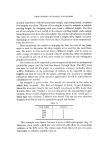
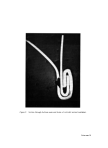
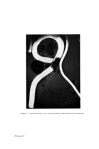
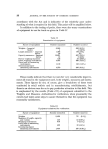
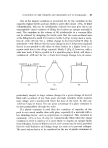
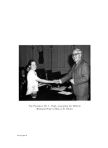
Figure 2 Section through bottom seam and dome of corroded aerosol container. Facing page 26
Purchased for the exclusive use of nofirst nolast (unknown)
From: SCC Media Library & Resource Center (library.scconline.org)