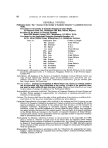
62 JOURNAL OF THE SOCIETY OF COSMETIC CHEMISTS 5. Define the terms: SECTION C (a) Optical density (or absorbance). (b) Extinction (or absorption) coefficient. A solution containing 3.7 mg of a pure substance in 100 ml of solvent is placed in a 5 mm thick cell, and is found to absorb 24ø//0 of incident light of a certain wavelength. Calculate the concentration of a solution of the same substance, which, after it has been diluted 100-fold, absorbs 43ø//0 of incident light when placed in a 1 mm thick cell, all other experimental condi- tions being identical (log tables are provided). 6. Explain briefly the mechanism of chromatographic separation and discuss the advantage and limitations of the paper, thin-layer, column and gas-liquid techniques for qualitative and quantitative analysis, with special reference to the problems of the cosmetics industry. SECTION D 7. Write brief notes on THREE of the following:- (a) The value of a perfume to a product (b) Citrus oils (c) Acyclic monoterpenes {d) Beta pinene process for the synthesis of perfumery chemicals. 8. What do you understand by the term "perfume"? Give a simple formula for a j asmin or a lilac perfume. Discuss the perfumery problems associated with the following pro- ducts:- (a) Aerosol hair spray (b) Handkerchief perfume (non-aerosol) (c) White toilet soap. SECTION E 9. Give an account of the various ways in which a surface active agent may stabilise on emulsion. What are the factors that control the viscosity of an emulsion? 10. Give an account of the various methods used to determine the viscosity of cosmetic emulsions. In what way do deviations from Newtonian flow properties influence the measurement of viscosity.

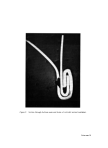
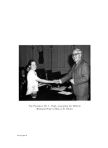
The President, Mr. C. Pugh, presenting the Hibbott Memorial Prize to Miss J. B. Atkins. Facing page
Purchased for the exclusive use of nofirst nolast (unknown)
From: SCC Media Library & Resource Center (library.scconline.org)