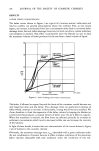
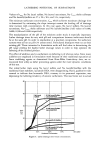
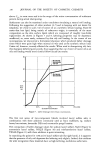
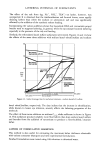
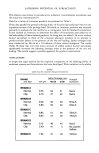
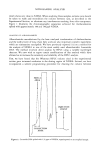
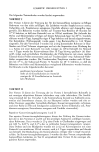
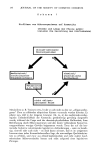
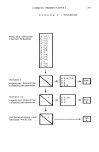
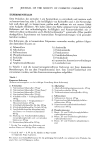
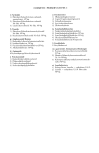
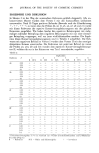
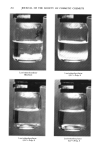
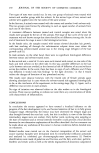
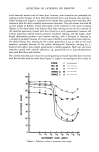
226 JOURNAL OF THE SOCIETY OF COSMETIC CHEMISTS RESULTS LATHER VERSUS CONCENTRATION The lather curves shown in Figure 2 are typical of common anionic surfactants and tend to confirm our general presumptions about this method. First, as one would expect, an increase in surfactant from zero concentration does lead to increased lather drainage times. Second, lather drainage times tend to level out after a certain surfactant concentration is reached. This effect is predictable since the blender jar acts to limit the maximum volume of lather produced in the test from a fixed volume of liquid. 80 sec. Na Lauroyl Sarcosinate '• Na• =mmmm,m.m==mm Olefin I Sulfonate (3) Sulfate 60 drain time, 20 0 0.3% 0.6% 0.9% 1.2% active Surfactant Concentration Figure 2. Lather drainage ti•ne versus concentration. The lather, if allowed to expand beyond the limits of the container, would become not only larger but drier and less dense. Thus drainage times on unrestricted volumes of lather would continue to increase. Unfortunately, mixing would become stratified. We chose, therefore, to limit the expansion of the lather volume by keeping the blender jar covered and this produces a constant density of lather once the jar is filled to capacity. When this maximum is reached, the flow times are affected primarily by increases in surfactant concentration which tend to decrease bubble size and increase the viscosity of the solution. In light of these details, it seems that two characteristics of the curves shown in Figure 2 are of interest to the cosmetic chemist. Obviously, the maximum drainage time, t .... obtainable with a given surfactant under the test conditions is of interest because it offers a relative indication of the maximum lather viscosity obtainable with each surfactant under the conditions of this test.

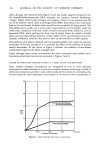
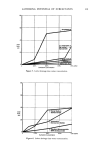
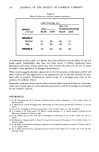
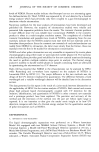
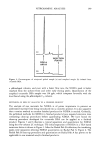
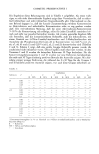
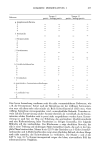
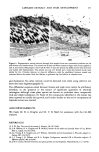
LATHERING POTENTIAL OF SURFACTANTS 227 Values of t .... for Na lauryl sulfate, Na lauroyl sarcosinate, Na C14_t6 olefin sulfonate and Na laureth(3)sulfate are 57 s, 58 s, 50 s, and 14 s, respectively. The minimum surfactant concentration, Cmin, which achieves maximum drainage time is determined by estimating the slope intercept nearest the leveling off of drainage time increase with concentration. In this case again, Na lauryl sulfate, Na lauroyl sarcosinate, Na C14_16 olefin sulfonate and Na laureth(3)sulfate yield values of 0.30%, 0.•, 0.30% and 0.60% respectively. The standardization of the pH of the solutions under study is especially important. Lather drainage times do vary with pH and comparisons between surfactants should be at the same pH. In order to standardize at a practical compromise, the surfactant systems were all run at pH 6.75 unless noted. Formulated shampoos were run at their existing pH. Those interested in formulation work will find value in determining the pH range yielding the highest lather drainage values in order to help optimize the lathering of the finished product. The effect of additives and co-surfactants on lathering is of obvious value. Since many additives are employed in formulation work because of their traditional reputation as foam stabilizing agents as determined from Ross-Miles foam-decay data, we re- examined their utility as lather promoting agents under the more dynamic conditions of this test. Our initial lather trials using Na lauryl sulfate and Na laureth(3)sulfate with the traditional foam stabilizer, lauramide DEA, were disappointing. Hasty, qualitative trials seemed to indicate that lauramide DEA, contrary to its presumed reputation, was depressing the lathering tendency of anionic surfactants. This was borne out in actual 80 drain time, '""-- • 2:1 Na Laureth (3) Sulfate: I Laur•lmJde DEA I 6O 4O 2O 0 sec. 0.3% 0.6% 0.9% Surfactant Concentration Figure 3. Lather drainage time versus concentration. 1.2% active
Purchased for the exclusive use of nofirst nolast (unknown)
From: SCC Media Library & Resource Center (library.scconline.org)