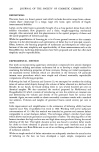
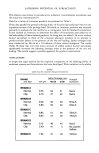
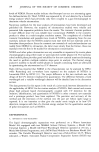
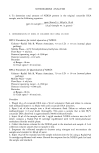
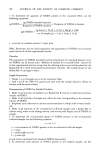
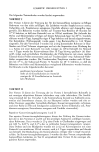
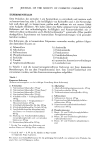
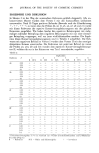
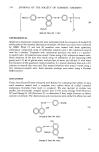
274 JOURNAL OF THE SOCIETY OF COSMETIC CHEMISTS Na03S•• -N:N N:N--•i-- Na03S Red 84 (Mol. Wt. 1136) --C-----O EXPERIMENTAL Quaternary ammonium compounds were synthesized with the exception of dodecyl (6) and hexadecyl (6) trimethyl ammonium bromides. All these structures were confirmed by NMR. Wool (7) and hair (8) swatches were treated with these quaternary ammonium compounds using 10 millimolar solutions and a 20:1 solution-to-swatch ratio for 2 minutes. Treatment with commercial products was with a 1:1 product- to-swatch ratio. All swatches were rinsed 5 times using a 50:1 solution-to-swatch ratio. Stock solutions of the dyes were made using 3.4 millimoles of dye (assuming 100% purity) and 1.25 ml of glacial acetic acid per liter of water, and diluted 5:1 with water for treatment of the quaternary treated swatches. A 1-minute treatment time and a 20:1 solution to swatch ratio was used. Dye treated swatches were rinsed 5 times using a 50:1 solution-to-swatch ratio. Stain intensity readings were taken using a Gardner Reflectometer. DISCUSSION These dyes (II and III) were evaluated with Rubine by comparing their ability to stain wool swatches treated with a complete even carbon series of n-alkyl trimethyl ammonium bromides from butyl to octadecyl. We also decided to include two smaller, less structurally complex anionic dyes in this study, Orange II (9) (Structure IV) and Orange G (10) (Structure V), to determine if they might function to detect cationics on keratin. The observations and conclusions were similar for albino hair and N=N , S03Na Orange II (Mol. Wt. 350) (iv) HO N:N Na03S S03Na Orange G (Mol. Wt. 452) (v)

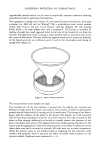
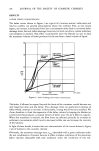
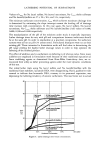
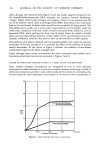
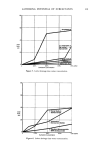
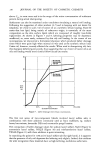
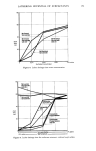
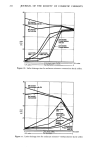
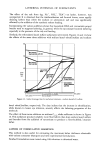
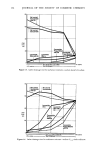
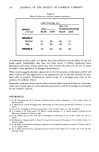
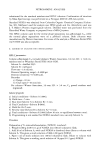
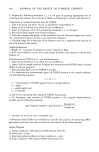
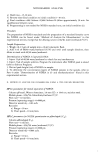
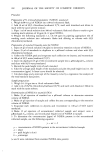
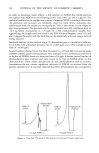
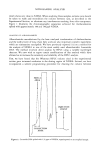
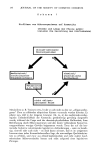
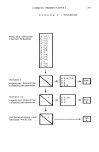
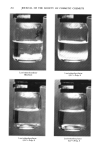
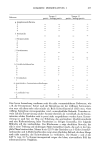
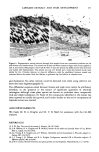
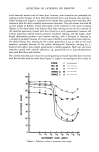
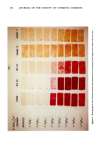
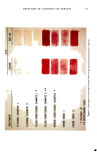
DETECTION OF CATIONICS ON KERATIN 275 wool swatches treated with all these dyes, however, wool swatches are preferable for staining studies because of their sheet-like physical form and because they provide a whiter background. Figure ! summarizes the results from staining wool swatches after treatment with the alkyl trimethyl ammonium bromides. This plot shows that Red 80 is most similar to Rubine. Visual observation of the swatches is even more revealing (Figure 2). For these three urea derived dyes, little staining occurs on the controls or the swatches previously treated with the n-butyl to n-octyl quaternaries however the n-decyl quaternary treated swatch produces moderate staining, and the higher chain length quaternaries produce more intense staining, with a decrease in intensity at n-octadecyl probably because of its low water solubility, and therefore lower sorption. On albino human hair, staining by the n-decyl quaternary is not as clear as on wool swatches, probably because of the yellow background. However, staining by n- dodecyl and higher chain length quaternaries is readily apparent. Both hair and wool swatches treated with cationic polymers, e.g. quaternium-19 or poly-ethyleneimine stain with Red 80 as with Rubine. The control swatches and n-butyl to n-octyl quaternary treated swatches stain even less with Red 80 than with the other dyes (Figure 1). Light to no staining for the n-butyl to uJ z BO 70 60 40 30 20 I0 RUBINE o RED 80 RED 84 ORANGE II m ORANGE G C4 C6 Ce Cio Ci Ci4 Ci6 QUATERNARY CHAIN LENGTH Figure 1. Reflectance values vs. quaternary chain length. Ci8
Purchased for the exclusive use of nofirst nolast (unknown)
From: SCC Media Library & Resource Center (library.scconline.org)