J. Soc. Cosmet. Chem., 32, 195-221 (July/August 1981) The mechanism of antiperspirant action of aluminum salts. III. Histological observations of human eccrine sweat glands inhibited by aluminum zirconium chlorohydrate glycine complex RICHARD P. QUATRALE, PH.D., DON W. COBLE, KARLA L. STONER, AND CARL B. FELGER, PH.D., Gillette Research Institute, 1413 Research Blvd., Rockville, MD 20850. Received October 28, 1980. Presented at the SCC Annual Scientific Meeting, December I 1 & 12, 1980, New York, N.Y. Synopsis Human forearm biopsy tissue containing eccrine sweat glands which had been inhibited from secreting by the occlusive application of ALUMINUM ZIRCONIUM CHLOROHYDRATE GLYCINE COMPLEX (AZAP) were examined histologically. The objective of the study was to determine the presence and site of action of the antiperspirant within the sweat gland as a prerequisite to understanding its mechanism of action. Fluorescence microscopy studies of MORIN DYE-stained biopsy tissue revealed substantial fluorescence, indicating the presence of aluminum and zirconium within the sweat gland duct mainly at the level of the stratum corneum. Fluorescence was also observed within the more distal intraepidermal duct. Transmission electron microscopy studies of AZAP-treated eccrine sweat glands demonstrated the presence of an amorphous electron dense material filling the lumen of the sweat gland duct. The site of this AZAP plug material was relatively superficial, being found largely in the distal region of the intracorneal duct. Similar material was also seen in the outermost segment of the intraepidermal duct. Anatomically, the aluminum and zirconium present within the sweat gland, as demonstrated with morin dye, approximated the same site as this electron dense amorphous material demonstrated with TEM studies. I. INTRODUCTION In a previous communication, we reported that the sites of antiperspirant action of aluminum chlorohydrate (ACH) and aluminum zirconium chlorohydrate glycine complex (AZAP) in human forearm eccrine sweat glands were relatively superficial. Using the cellophane tape stripping procedure, it was demonstrated that removal of the stratum corneum layer of skin containing sweat glands which had been inhibited by ACH resulted in the restoration of sweating for half those glands. Similarly, stripping away the stratum corneum of skin containing AZAP-inhibited glands caused a resumption of sweating in two-thirds of the glands (1). Subsequent histological studies showed that the aluminum-containing plug of ACH-inhibited glands was located in the ducts predominantly at the level of the stratum corneum but frequently 195

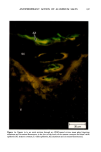
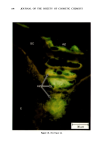
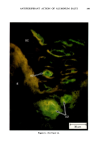
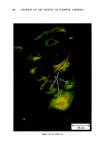
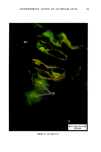
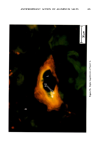
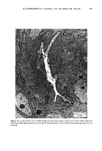
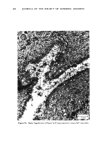
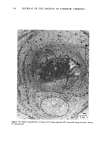
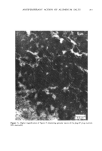
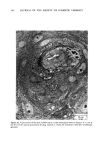
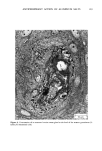
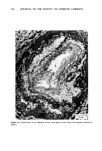
196 JOURNAL OF THE SOCIETY OF COSMETIC CHEMISTS at the level of the outermost layers of the viable epidermis also (2). For AZAP, Relier and Luedders have presented some evidence that sweat glands which had been treated with an aluminum-zirconium antiperspirant solution showed masses located mainly in the distal segment of the epidermal sweat duct. These masses appeared to be located more superficially than those seen in sweat ducts which had been treated with aluminum chloride (3,4). ACH is one of the more commonly used active ingredients in today's antiperspirant products. However, the use of AZAP is becoming increasingly widespread and is more effective than ACH in controlling axillary sweating (3,5). The studies reported here were designed not only to complement those previously reported for ACH, but also to establish with certainty the presumed superficial site of the AZAP plug in the eccrine sweat duct. It was further hoped that an understanding would be gained, at least from a morphological standpoint, of why AZAP's duration of antiperspirant activity is longer than that of ACH even though its site of action is more superficial. II. MATERIALS AND METHODS The procedures used to obtain, prepare, and study human forearm tissue containing eccrine sweat glands which had been inhibited by AZAP were identical to those described previously for the ACH study (2). In brief, forearm sites of male subjects were occlusively patched overnight (16-18 hr) with 10% aqueous AZAP (Wickhen Prods., Inc., Huguenot, NY) or distilled water. The sites were then reidentified after thermal stress and full thickness biopsies were taken. For the sites treated with AZAP, only areas exhibiting complete inhibition of sweating were biopsied. For the control sites, areas demonstrating actively sweating glands were biopsied. The tissues were then prepared and studied by transmission electron microscopy and fluorescence microscopy. iii. RESULTS A. OBSERVATIONS MADE USING FLUORESCENCE MICROSCOPY As had been found for ACH-treated sweat glands, cellophane tape-stripping studies demonstrated that the primary site of action in glands which were inhibited by AZAP treatment was also quite close to the skin surface (1). Microscopy studies then confirmed that location of ACH. Parallel studies are now presented which describe the site of action of AZAP within the inhibited sweat glands. Figures la-le are serial sections, made perpendicular to the skin surface, through the same sweat gland. For this gland, which was one of twelve studied, the duct spiraling through the stratum corneum in coiled bedspring fashion was readily discernible. The green fluorescence, which indicates the presence of aluminum and zirconium, was seen sealing off the sweat gland ostium and was present in substantial amounts in the intracorneal duct. In those instances where the duct appeared empty, it is believed that the gaps were a result of artifact due to tissue sectioning or washout of the material. In this particular representation, the aluminum and zirconium were also present in the more distal region, perhaps not deeper than the stratum granulosum, of the intraepi- dermal duct (e.g. Figure lb). This finding was not atypical, occurring in half the glands
Purchased for the exclusive use of nofirst nolast (unknown)
From: SCC Media Library & Resource Center (library.scconline.org)