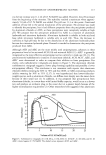
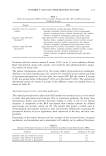
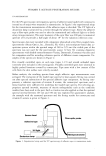
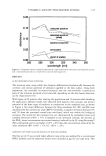
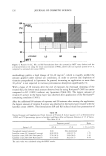
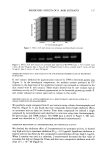
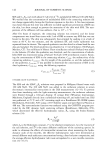
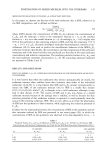
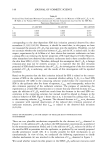
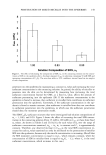
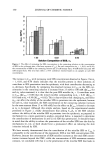
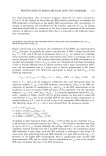
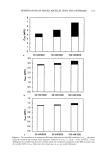
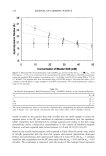
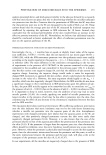
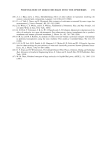
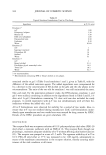
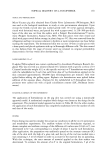
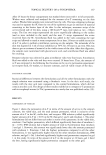
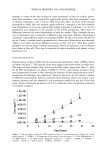
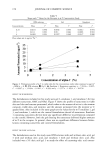
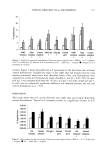
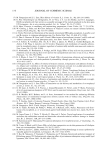
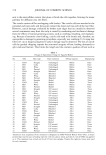
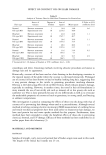
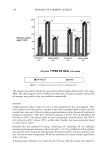
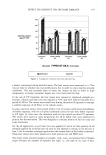
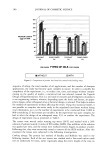
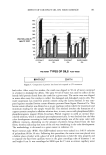
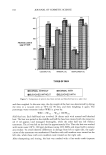
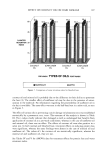
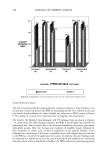
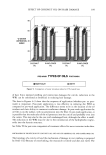
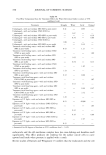
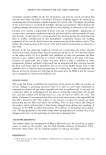
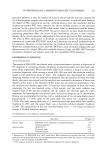
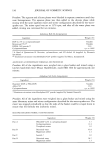
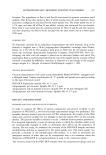
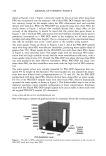
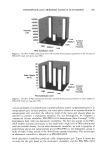
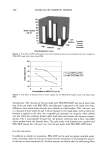
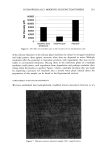
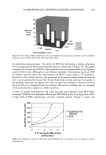
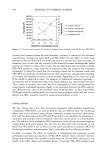
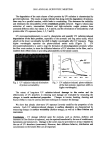
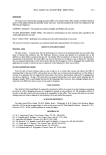
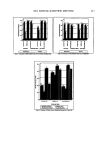
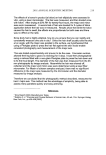
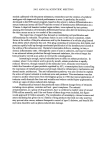
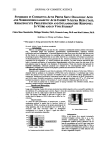
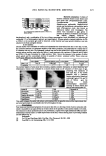
EFFECT OF COCONUT OIL ON HAIR DAMAGE 189 % WATER RETENTION 40 INDEX i59.8 ß 5 60 x::":• 20- COCONUT OIL 61.2 61.2 SUNFLOWER OIL •,..•8.7 57.5 COCONUT SUNFLOWER OIL OIL PRE-WASH TYPES OF OILS POST-WASH EIWITHOUT EIWITH Figure 9. Comparison of water retention index for UV-treated hair. of hair. Since repeated swelling and contraction damages the cuticle, reduction in the WRI can be considered as beneficial in reducing hair damage. The data in Figures 6-9 show that the sequence of application (whether pre- or post- wash) is important. Post-wash application is less effective in reducing the WRI as compared to pre-wash application. The difference seems to be in the location of the oil residues and their ability to counteract surfactant damage. In post-wash application the oil film is on the surface, with no penetration into the fiber. In pre-wash application, it is possible that the molecules of the oil penetrate into the cuticle and probably even into the cortex. This may also be the case with undamaged hair, although the effect is small. The reduction in the WRI must be due to the introduction of the hydrophobic triglyc~ eride into the keratin structure. See Table VI for pair-wise comparison of treatment effects for water retention index data. MECHANISM OF PROTECTION BY COCONUT OIL AND NOT BY MINERAL OIL AND SUNFLOWER OIL The histology of a cuticle cell and the mechanism of damage in wet combing is proposed by Swift (5,6) Because of cross-linking, the exocuticle is brittle and does not swell. The

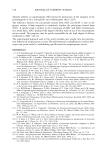
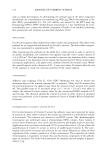
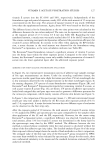
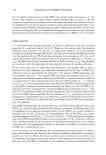
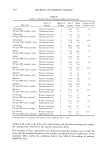
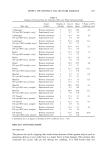
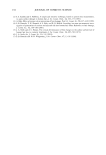
190 JOURNAL OF COSMETIC SCIENCE Table VI Pair-Wise Comparison Data for Treatment Effects for Water Retention Index (t-values at 95% confidence level) Treatment Straight Wavy Curly Permed 0.41 -- O.O9 Undamaged--with and without MO (MO as post-wash) Undamaged--with and without CNO (CNO as post-wash) Undamaged--with and without SFO (SFO as post-wash) Undamaged--with and without MO (MO as pre-wash) Undamaged--with and without CNO (CNO as pre-wash) Undamaged--with and without SFO (SFO as pre-wash) Treatment with boiling water--with and without MO (MO as post-wash) Treatment with boiling water--with and without CNO (CNO as post-wash) Treatment with boiling water--with and without SFO (SFO as post-wash) Treatment with boiling water--with and without MO (MO as pre-wash) Treatment with boiling water--with and without CNO (CNO as pre-wash) Treatment with boiling water--with and without SFO (SFO as pre-wash) Treatment with bleaching agent--with and without MO (MO as post-wash) Treatment with bleaching agent--with and without CNO (CNO as post-wash) Treatment with bleaching agent--with and without SFO (SFO as post-wash) Treatment with bleaching agent--with and without MO (MO as pre-wash) Treatment w•th bleaching agent--with and without CNO (CNO as pre-wash) Treatment with bleaching agent--with and without SFO (SFO as pre-wash) Exposure to UV light--with and without MO (MO as post-wash) Exposure to UV light--with and without CNO (CNO as post-wash) Exposure to UV light--with and without SFO (SFO as post-wash) Exposure to UV light--with and without MO (MO as pre-wash) Exposure to UV light--with and without CNO (CNO as pre-wash) Exposure to UV light--with and without SFO (SFO as pre-wash) 1.98 __ 0.43 1.43 0.12 1.45 0.21 O.43 1.87 -- -- -- -- O.36 O.34 -- O.O9 1.02 0.24 0.12 0.32 0.19 O.34 1.21 1.85 0.06 0.46 2.12 0.098 1.97 1.89 0.13 1.87 O.47 1.85 0.09 t theoretical for 48 degrees of f}eedom at 95% confidence level = 1.645. endocuticle and the cell membrane complex have less cross-linking and therefore swell significantly. This effect produces the tendency for the surface cuticle cells to curve upward and break when pressure is applied with a comb. Recent studies of Ruetsch and Weigmann (7) confirm that the endocuticle and the cell
Purchased for the exclusive use of nofirst nolast (unknown)
From: SCC Media Library & Resource Center (library.scconline.org)