206 JOURNAL OF COSMETIC SCIENCE The chemical composition and aroma of essential oils can provide valuable psychological and physical-therapeutic benefits. These are usually obtained by methods that include inhalation or the application of the diluted essential oil to the skin. As they are often very concentrated, essential oils should never be used undiluted on the skin, and they are often diluted with carrier oils (such as sweet almond oil, apricot kernel oil, olive oil, etc). On applying these blends by rubbing, the tiny molecules of the essential oils are absorbed through the skin. They then dissolve in the body's natural fats and fluids that flow through the lymphatic and blood system, causing it to relax, stimulate, detoxify, and regenerate (4). Careful inhalation of essential oils can also provide therapeutic benefits the aromas are perceived by the olfactory system, which passes on signals to the limbic system in the brain. The brain then responds to a particular scent by affecting our emotions and our chemical balance. Moreover, essential oil molecules enter the lungs and are absorbed into the bloodstream (5 ). It is for these reasons that essential oils are used in aromatherapy, cosmeticology, pharmaceutics, and in many other applications. In these work we have chosen Mentha piperita essential oil (Mentha piperita E.O.), which is considered one of the oldest and most highly considered herbs for its remarkable properties. Mentha piperita E.O. has a considerable number of therapeutic properties: it is an analgesic, an antiseptic, an anti-spasmodic, an expectorant, a stimulant, and a vasoconstrictor, besides possessing other properties (6,7). It can be very useful against dermatitis, acne, and scabies, and can relieve itching, sunburn, and inflammations of the skin. In addition to these properties, Mentha piperita E.O. is also widely used in cos meticology for its cooling effect and because it helps to ease tension and stress. For these reasons, Mentha piperita E.O. is frequently used in cosmetic cleansing formulations such as soaps, foam baths, dentifrices, mouthwashes, and foot creams. The volatile constituents of all essential oils and therefore also of Mentha piperita E.O. are a complex mixture of organic compounds, some of which are less stable, and may therefore undergo chemical alteration in the presence of light or under high tempera tures. The aim of this study was to evaluate the ability of particle polymeric systems, such as chitosan beads, to load, protect, and keep for an adequate storage time the volatile molecules of Mentha piperita E.O. Additionally, when beads are formulated into a cosmetic formulation (such as a bath foam), the rate of release during conditions of use was determined. MATERIALS AND METHODS MATERIALS High-molecular-weight [2.000.000 (hC)} 75% deacetylation chitosan and medium molecular-weight [750.000 (mC)} 75-85% deacetylation chitosan, sodium tripolyphos phate (TPP), and sodium hydroxide (NaOH) were purchased from Aldrich (Milan, Italy). Glycolic acid, Mentha piperita E.O., and base bath foam (BBF composition: water, sodium lauryl sulfate, cocamidopropyl betaine, cocamide DEA, sodium chloride, and bromo-2-nitropane-1,3-diol) were supplied by Galeno (Prato, Italy). Distilled water was further purified with a Milli-Q® System (Millipore, Bedford, MA). All solvents used were analytical grade.

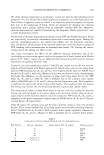
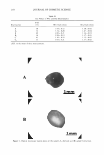
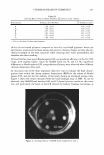
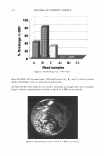
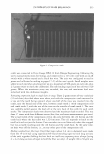
CHITOSAN BEADS IN COSMETICS 207 PREPARATION OF CHITOSAN BEADS LOADED WITH MENTHA PIPERITA E.O. Three different chitosan-based polymeric dispersions were prepared for the beads using glycolic acid as an anionic system, as described in a previous study (8). Briefly, a preweighed amount (1 % w/w) of different types of chitosan (hC, mC) or a mixture of chitosans (hC/mC 1: 1 w/w) were slowly dissolved in a water solution containing glycolic acid (1 % w/w) under magnetic stirring for two hours. Mentha piperita E.O. (1 %) was then added to the dispersions while stirring gently. The corresponding beads were prepared using two different gelling solutions: (a) by dropping the bubble-free polymeric dispersion (-5 g) through a disposable sy ringe onto a polyanionic solution of 5% TPP (-50 ml) as an ionically crosslinking agent (TPP-bead batches A 1 , B 1 , and C 1 ). (b) by dropping the bubble-free polymeric dispersion (-5 g) through a disposable sy ringe onto an alkaline solution of 10% NaOH (-50 ml) as a coacerving agent (NaOH-bead batches A, B, and C). The formation time of the beads may change, depending on the different type of chitosan dispersion (molecular weight, degree of deacetylation, apparent viscosity, etc.) and the different gelling solutions (a or b) used. Generally, formation time may vary from 30 minutes to 60 minutes when the system is kept under gentle magnetic stirring with a speed of not more than 50 rpm. After this time, the gelled beads are separated, rinsed with distilled water, and then air-dried in a dryer to a constant weight. OPTICAL MICROSCOPE ANALYSIS A Carl Zeiss Axiostar Plus (transmitted-light) optical microscope with three magnifi cations (5x, lOx, 40x), equipped with a Sony DSC-575/585 camera connected to a computer program to process images, was used to evaluate the size and morphology of the dry beads. The size was assessed using the 5 x magnification on an average of about twenty dried beads. The size of the fresh and swelled beads was assessed with reference to a standard measure ( 10 mm). UV SPECTROPHOTOMETER ANALYSIS The absorbance of Mentha piperita E.O. was measured at a wavelength of 273 nm with a Hitachi U-2000 UV spectrophotometer. A calibration curve was developed using methanol solutions of Mentha piperita E.O. at concentrations ranging from 1.70 to 11 µg/ml). EVALUATION OF THE ENCAPSULATION OF MENTHA PIPERITA E.O. A preweighed amount of each batch of beads was suspended in methanol (10 ml). The beads were next subjected to vigorous mechanical shaking with a vortex mixer for one minute and subsequently sonicated for one hour with a Branson 1200 ultrasound bath. The filter solutions were analyzed at a wavelength of 273 nm. All loaded determinations were run in triplicate and the mean values were reported.
Purchased for the exclusive use of nofirst nolast (unknown)
From: SCC Media Library & Resource Center (library.scconline.org)