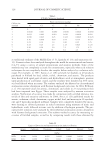
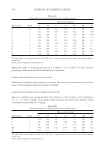
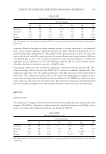
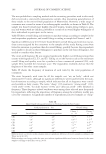
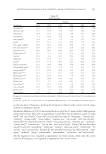
JOURNAL OF COSMETIC SCIENCE 126 as traditional eyeliners of the Middle East (3–5), lipsticks (6–10), and sunscreens (11– 13). Cosmetics have been analyzed throughout the world for various metals and arsenic (14–33) using a variety of sample preparations and analysis methods. Some of the methods may not completely account for contaminants, especially when acid solution techniques do not completely dissolve the samples before analysis by a solution tech- nique. For example, in 1997, Sainio et al. (29) surveyed eye shadows in 49 products purchased in Finland for lead, cobalt, nickel, chromium, and arsenic. The products were heated with equal parts of nitric and hydrochloric acids at atmospheric pressure until production of acid fumes ceased, and the residues were dissolved in 65% nitric acid and fi ltered when necessary. The authors analyzed the fi ltrates by electrothermal atomization atomic absorption with Zeeman background correction. In 2004, El-Shazly et al. (31) reported values for arsenic, chromium, and cobalt in 27 eye products that had been imported into Egypt. These samples were analyzed by neutron activation analysis. Verifi cation of accuracy was made by comparison with certifi ed reference ma- terials of lake and estuarine sediments. In 2009, Atz et al. (23) published results for arsenic, cadmium, cobalt, chromium, copper, nickel, lead, and mercury in 10 eye shad- ows and 9 lipsticks purchased in Brazil. Samples were completely dissolved by micro- wave heating at elevated pressures in sealed containers using mixtures of nitric and hydrofl uoric acids, followed in some cases by addition of hydrogen peroxide. The pre- cipitate-free solutions were analyzed by electrothermal atomization atomic absorption with Zeeman background correction. The authors verifi ed accuracy by measuring re- coveries of fortifi ed samples, as well as by comparing results with those obtained by Table I. ICP-MS Calibration Standards Calibration standard Final concentration (μg/kg) As Cd Cr Co Pb Ni 0 0 0 0 0 0 0 1 0.0020 0.001 0.0050 0.0050 0.0020 0.0050 2 0.025 0.002 0.010 0.010 0.0040 0.010 3 0.050 0.025 0.25 0.125 0.0625 0.3125 4 0.10 0.050 0.50 0.25 0.125 0.625 5 0.25 0.10 1.0 0.50 0.25 1.25 6 0.25 0.25 2.5 1.25 0.625 3.125 7 0.50 0.50 5.0 2.5 1.25 6.25 8 1.0 1.0 10. 5.0 2.5 12.5 Table II. Limits of Detection and Quantitation in the Analytical Portion Arsenic Cadmium Chromium Cobalt Lead Mercury Nickel mg/kg LOD 0.048 0.018 0.052 0.0066 0.0084 0.0010 0.032 LOQ 0.16 0.058 0.18 0.022 0.028 0.0032 0.10

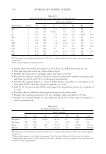
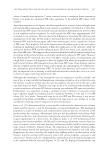
Table III. Certifi ed Values for Reference Materials Certifi ed values, mg/kg Arsenic Cadmium Cobalt Chromium Mercury Nickel Lead Conostan Custom Oil 1.00 1.00 5.00 5.00 — 5.00 1.00 Spex Custom Oil — — — — 5.00 — — NIST 695 200 ± 5 16.9 ± 0.2 65.3 ± 2.4 244 ± 6 1.955 ± 0.036 135 ± 2 273 ± 17 NIST 2702 45.3 ± 1.8 0.817 ± 0.011 27.76 ± 0.58 352 ± 22 0.4474 ± 0.0069 75.4 ± 1.5 132.8 ± 1.1 NIST 1573 0.112 ± 0.004 1.52 ± 0.04 0.57 ± 0.02 1.99 ± 0.06 0.034 ± 0.004 1.59 ± 0.07 Not certifi ed SURVEY OF COSMETICS FOR SEVEN INORGANIC ELEMENTS 127
Purchased for the exclusive use of nofirst nolast (unknown)
From: SCC Media Library & Resource Center (library.scconline.org)