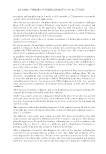
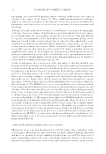
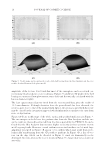
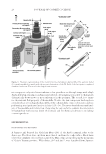
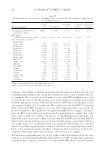
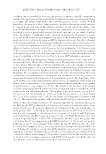
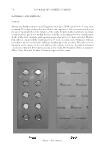
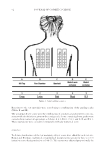
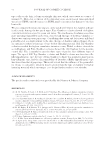
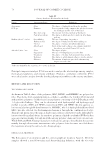
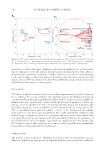
JOURNAL OF COSMETIC SCIENCE 58 MATERIALS AND METHODS SUBJECTS Twenty-fi ve healthy subjects with Fitzpatrick skin types II–IV, aged 18–to 65 year, were recruited. The subjects agreed to avoid direct sun exposure to the test site area and avoid the use of tanning beds for the duration of the study. Volunteers who had shown an allergy in any previous patch test within the last 2 weeks, as determined by the initial paper- work, or who were currently participating in any other patch test, were excluded. Twenty- four subjects completed the study (aged 24–49 years one male and 23 females), whereas one subject was rejected because of failure in adhering to the schedule. The subjects were informed of the nature of the test and possible adverse reactions. A written informed consent was obtained before participating in the study. The hospital’s Ethics Committee (West China Hospital, Sichuan University) approved this study. Figure 1. Finn Chamber.

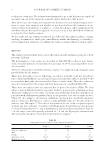
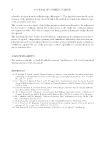
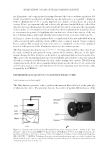
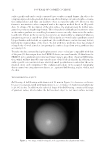
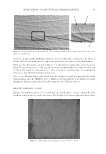
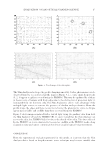
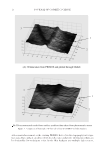
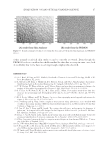
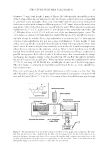
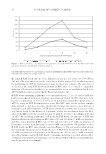
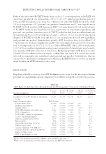
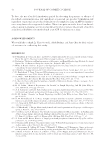
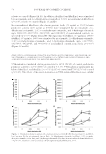
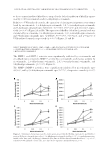
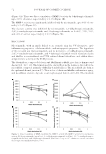
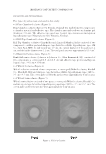
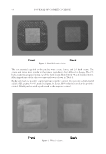
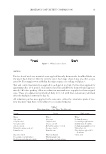
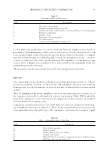
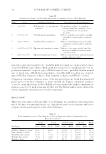
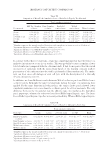
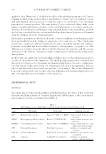
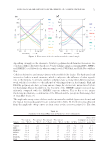
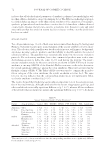
IRRITANCY PATCH TEST COMPARISON 59 PATCH TYPES AND TEST MATERIALS Five types of patches were evaluated in this study: • λ Fi nn Chamber Occlusive (Figure 1): Finn Chamber occlusive (Epitest Oy, Tuusula, Finland) was made from two components: a chamber material and adhesive tape. The chamber material used was an alumina pad (diameter, 0.8 cm). The adhesive tape used was Scanpor tape (nonwoven microporous hypoallergenic tape Norgesplaster A/S, Vennesla, Norway). • λ Hill Top Chamber Occlusive (Figure 2): Hill Top Chamber occlusive (Cliantha Research Limited, Mumbai, India) consisted of two components: a rubber pad and durapore tape (latex-free silklike hypoallergenic tape 3M Co., Saint Paul, MN). Its side length was 1.9 cm, the outside diameter of the pad was 1.4 cm, and the inside diameter was 1.2 cm. The total patch area was approximately 1.13 cm2. • λ Band-Aid Semiocclusive (Figure 3): Band-Aid semiocclusive ( Johnson & Johnson Co., New Brunswick, NJ) consisted of two components: a cotton pad (1.8 cm × 1.8 cm) and adhesive tape (porous and hypoal- lergenic tape, 3.81 cm × 3.81 cm). • λ Webril Occlusive (Figure 4): Webril occlusive consisted of two components: a cotton pad (Webril occlusive Kendall Co., Mansfi eld, MA) and durapore tape (latex-free silklike hypoallergenic tape 3M Co., 3.5 cm × 3.5 cm). The cotton pads used for the patches were approximately 4 cm2 in area. • λ Webril Semiocclusive (Figure 5): Webril semiocclusive consisted of two parts: a cotton pad (Webril occlusive Kendall Co.) and micropore tape (latex-free hypoallergenic paper tape 3M Co., 3.5 cm × 3.5 cm). The cotton pads used for the patches were approximately 4 cm2 in area. Figure 2. Hill Top Chamber.
Purchased for the exclusive use of nofirst nolast (unknown)
From: SCC Media Library & Resource Center (library.scconline.org)