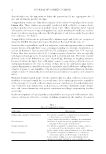
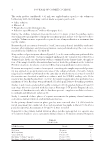
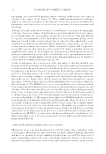
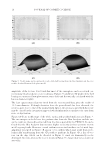
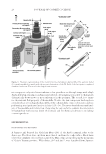
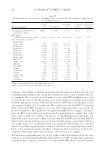
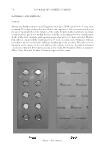
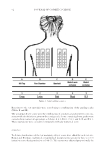
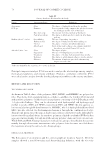
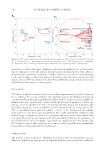
JOURNAL OF COSMETIC SCIENCE 62 Reactions to the test materials were scored using a combination of the grading scales (Tables II and III). The actual patch test scores were the combination of a numerical and/or letter score con- sistent with the defi nitions given in the scoring scale. Scores containing letter grades were converted into numerical equivalents as follows: A = 0, B = 1, C = 2, and D, E, and F = 3. These equivalents were considered comparable with any numerical score. STATISTICS To obtain classifi cations of the test materials, subject scores were added for each test site. Berger and Bowman established a standardized interpretation system for base (n = 10) irritation scores during induction at 14 d (5). This system was adjusted proportionally for Figure 6. Sample adding sequence.

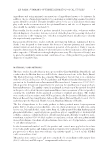
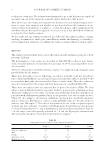
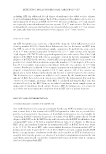
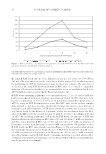
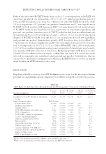
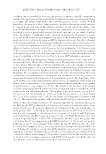
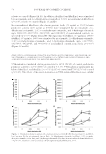
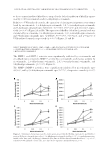
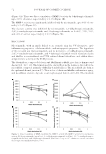
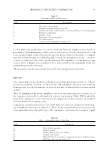
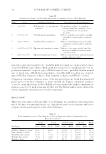
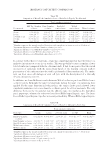
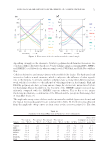
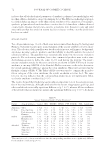
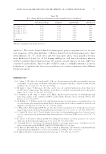
IRRITANCY PATCH TEST COMPARISON 63 12 d of induction, and for base (n = 24) as shown in Table IV. Categories were based on percentages of the maximum possible score for each test site. For the calculation of a total score, an upper limit of three was used because the intent of this test would be to compare material treatments that are relatively mild it would be meaningless in this context to evaluate test materials that cause extreme irritation. For cumulative scoring purposes, any score of three or higher was considered to be a three overall for the remainder of the test and patching was discontinued. The following classifi cation system was used for the interpretation of results. RESULTS One subject had site discontinuation during testing thus, data from 24 of the 25 subjects tested were analyzed. As shown in Table V, the total cumulative irritation score resulting from exposure to each test material on each test day was calculated and scores were ranked orderly. Table VI summarized the mean cumulative irritation data with statistical comparisons of the responses observed for each patch for a given test material. Table VII detailed the mean total cumulative scores with statistical comparisons of the responses observed for each test material for a given patch. Comparing cumulative irritation scores of the three test materials, cream elicited the low- est cumulative irritation score. Based on Table IV, the cream was less irritating than the other materials across all patch types. We can draw a conclusion that cream is a mild Table II Erythema and Elevated Responses Grade Description 0 No evidence of irritation 1 Minimal erythema, barely perceptible 2 Defi nite erythema, readily visible or minimal edema or minimal papular 3 Erythema and papules 4 Defi nite edema 5 Erythema, edema, and papules 6 Vesicular eruption 7 Strong reaction spreading beyond test site Table III Effects on Superfi cial Layers of the Skin Grade Description A Slight glazed appearance B Marked glazing C Glazing with peeling and cracking D Glazing with fi ssures E Film of dried serous exudate covering all or portion of the patch site F Small petechial erosions and/or scab
Purchased for the exclusive use of nofirst nolast (unknown)
From: SCC Media Library & Resource Center (library.scconline.org)